









January 9 2026 - 11:00am
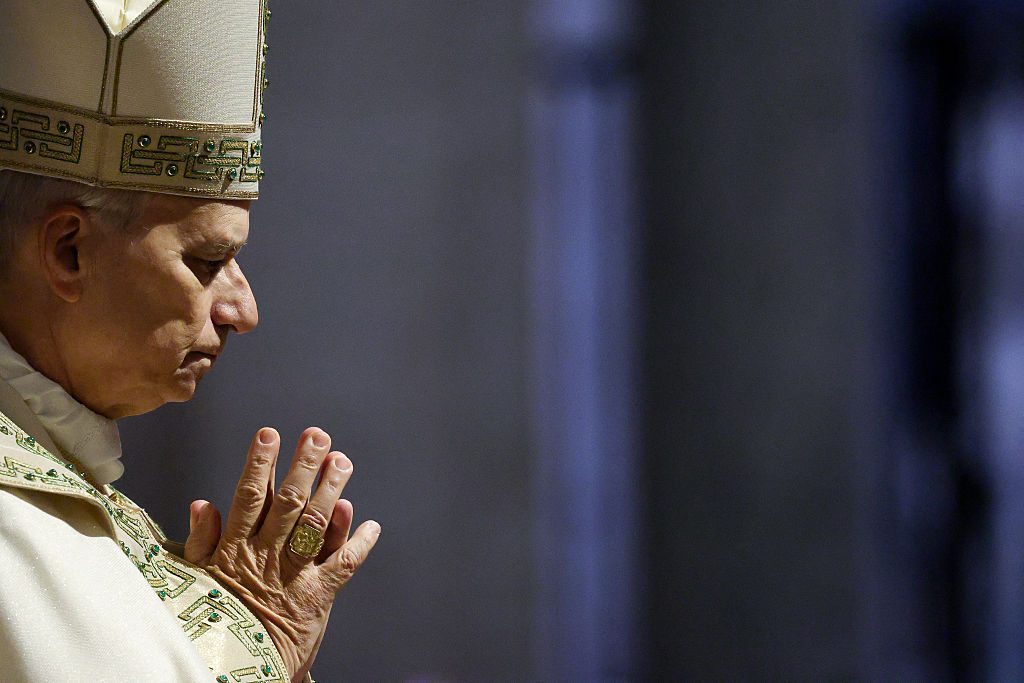
Last May, the cardinals of the Catholic Church gathered before the world’s eyes to elect a new pope. Now, just eight months later, 170 of them are back in Rome for a consistory — a formal meeting of the church’s top brass.
Alarmingly, Reuters is reporting that Pope Leo XIV is using the occasion to signal “a desire to press ahead with the reforms of the late Pope Francis, who battled with conservative cardinals while trying to make Catholicism more inclusive”.
We can expect that line to be echoed elsewhere in the secular media, whose journalists typically categorize popes as either reactionaries (e.g Benedict XVI) or reformers (e.g. Francis). Because Leo is too popular to be placed in the former category, he’s been designated a reformer. And that, to the secular and liberal mindset, can only mean one thing: the erasure of most distinctions between the contemporary Church and the modern world. Clearly, that’s what they thought they were getting from the previous pope (even if, despite Francis’s numerous provocations, he never actually changed Church doctrine).
The Reuters report quotes Massimo Faggioli, a prominent Catholic academic, as saying that “Leo is cautious, but I think he will continue on Pope Francis’ trajectories”. No doubt that’s what Faggioli — very much a liberal in Catholic terms — hopes will be the case, but he should steel himself for disappointment. It’s already obvious that Leo is on a different trajectory, striving to replace discord in the Church with harmony (to quote another Francis).
The fact that Leo has called a consistory so soon into his papacy is significant. Whereas Francis was given to carelessly sounding off, Leo is offering himself as a listening pope. As such, he’s made a visible effort to meet with conservatives like Hong Kong’s heroic Cardinal Zen, as well as with prominent figures from the other side.
Liberal Catholics may take comfort from the fact that Leo has used his first consistory to praise the Second Vatican Council, i.e. the most significant time of change in the Church’s history since the Reformation. Indeed, he described the Council — which took place between 1962 and 1965 — as “the guiding star of the Church’s journey today”. However, “Vatican II” wasn’t an exercise in modernization as the world understands it today, but rather an attempt to shake off the past modernities of previous centuries. After all, it is the job of the Church to resist the secular influence of every era — and that includes our own.
Perhaps there’s no clearer sign that this is Leo’s understanding of his role and that of the Church than his public position on artificial intelligence. In November, he told an audience of young people that AI “cannot replace human intelligence” and that it should only be used “in such a way that if it disappeared tomorrow, you would still know how to think, how to create, how to act on your own, how to form authentic friendships”. For his trouble, he received the mockery of Silicon Valley — but, undaunted, he will continue to speak out, and the first papal encyclical on the issue is expected soon.
In the meantime, Catholics and non-catholics alike should be grateful for a pope who isn’t being swept along by the spirit of the age. Whether or not you believe in its teachings, we all benefit from a Church that refuses to be AI- or DEI-compliant.
Peter Franklin is Associate Editor of UnHerd. He was previously a policy advisor and speechwriter on environmental and social issues.
 peterfranklin_