








March 4 2026 - 10:00am
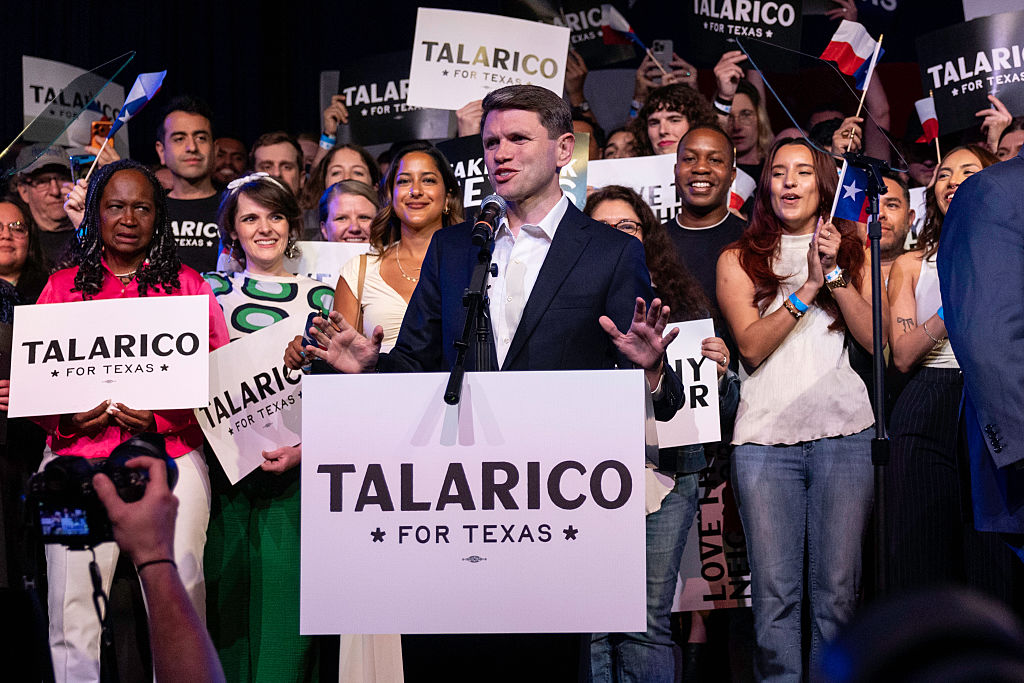
On Tuesday, Texas voters went to the polls to cast the first ballots of the 2026 midterm election cycle. One of the banner headlines to emerge from the result is that Democratic voters have nominated state Representative James Talarico for the US Senate over Congresswoman Jasmine Crockett. In an election that saw surging Democratic turnout, the race ultimately hinged more on style than substance — and signaled the growing power of a new Democratic base.
Throughout much of the campaign, many in the media framed the contest between Talarico and Crockett as a matchup between a moderate and a progressive, respectively. In reality, though, both candidates’ platforms put them firmly in the Left flank of their party. Both support Medicare for All and abolishing ICE. Crockett is a member of the Congressional Progressive Caucus, while Talarico spent the campaign promoting “progressive Christianity”.
Both candidates arguably appealed to highly engaged “Resistance” primary voters. Crockett regularly picked fights with Republicans and invoked her race and gender in a way that just a few years ago might have shamed some liberals into voting for her. Talarico, meanwhile, sat for an interview with Resistance darling Stephen Colbert and benefited from a subsequent FCC-generated Streisand effect that helped him raise $2.5 million.
The real distinction between the two candidates seemed to hinge on which one was perceived as more “electable”, a question that has consumed Democratic primary voters for years. Crockett’s bomb-throwing tendencies and trove of controversial past remarks prompted questions about whether she could win a general election in a red state like Texas. Talarico drew a sharp contrast in his campaign by actively engaging with conservatives and presenting as more congenial.
Pre-election polling showed that primary voters indeed viewed Talarico as more electable. In a Blueprint survey of Democratic primary voters, he ran 11 points ahead of Crockett. Fully half (50%) of respondents said the candidate trait which “matters most” to them was “winning independent and Republican-leaning voters”, higher than any other consideration.
A separate poll from Chism Strategies asked Democrats to place the two candidates on an ideological spectrum as well as themselves. Not only was Talarico viewed as far more moderate than Crockett, but voters saw themselves as quite a bit closer to him. Moreover, one of the final public surveys of the race, from Emerson College, showed Talarico leading Crockett by a margin of 52% to 46% (nearly identical to the actual election margin as of Wednesday morning). In it, Talarico cleaned up with independents — who are allowed to vote in either major party’s primary election — 62% to 35%.
The picture is clear: Democrats in Texas believe their best chance to win this Senate seat is by opting for a candidate they hope can expand their coalition through appealing to voters on the other side of the aisle. Talarico’s next challenge, though, will be not just achieving this task but keeping his own coalition intact, too. The Democratic Party’s seemingly inescapable racial politics reared its head again in the primary campaign, and the result was a polarized electorate. Though there were no exit polls conducted in the race, Emerson’s polling showed Crockett winning black voters by gargantuan margins. Talarico will need their support come November if he is to have any chance of winning.
This point also highlights an important shift in the Democratic coalition. For decades, the party’s base was made up of moderate black voters. Not long ago, Crockett may have won simply with strong black support and large enough margins among white and Hispanic voters. But that dynamic is changing, as the balance of power has begun shifting more toward white liberals — not just in Texas but nationally.
It remains to be seen how this will impact future elections, such as the race for the 2028 Democratic presidential nomination. For now, though, these voters seem primarily concerned with one thing above all else: beating Republicans. And candidates who can strike a balance between opposing the GOP while appealing to their voters — perhaps best summed up by the slogan “moderate and fight” — may stand to gain the most.

Join the discussion
Join like minded readers that support our journalism by becoming a paid subscriber
To join the discussion in the comments, become a paid subscriber.
Join like minded readers that support our journalism, read unlimited articles and enjoy other subscriber-only benefits.
Subscribe