









25 October 2026 - 7:00pm
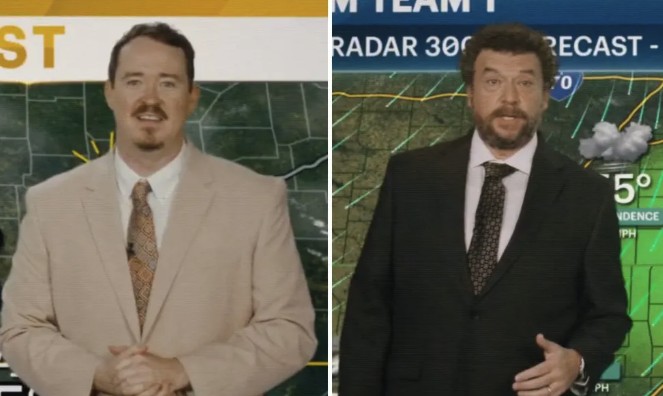
On Thursday, Kalshi released a four-minute ad in which Shane Gillis and Danny McBride play feuding local weathermen. The spot uses their rivalry to introduce viewers to the prediction market’s core proposition: that almost anything, from the weather to politics, can become a market on which people wager money on the outcome.
Explaining his participation in the ad, McBride joked that he had made some questionable trades on local weather, Costco hot dog prices, and cricket, and that he wanted to make amends. The spot is well made, like most other projects the two men have participated in. But the fact that they can remain at the top of their craft while promoting an addictive product is a big problem.
Gillis is one of the most popular comedians in America. Fired as an SNL cast member, he has since hosted the show three times (including a feminist-enraging appearance earlier this month), hosted the ESPYs, created Tires, arguably the only good original series left on Netflix, and become the face of Bud Light since 2024. That last move likely marked the moment the woke consumer revolution finally ended. Meanwhile, Danny McBride spent four critically acclaimed seasons on The Righteous Gemstones, satirising the televangelists who fleece their flocks.
Now the pair, among the few Hollywood creatives capable of sympathetically depicting the MAGA multitudes of flyover country, are lending their credibility to a predatory betting product. By the casino lobby’s own count, Americans saw Kalshi adverts 5.2 billion times in the first two months of this year, nearly double gambling app FanDuel’s figure.
Ads are everywhere, an unavoidable fact of modern life. The legal picture behind them, however, is increasingly bleak.
Earlier this year, New York’s attorney general sued Kalshi, alleging that it was operating an illegal, unlicensed gambling business and that under-21s were trading on the platform. The state is seeking $36 billion in damages. Elsewhere, a Massachusetts court has ordered the company to stop taking sports bets in the state, even as the Third Circuit sided with Kalshi against New Jersey regulators. And the political connections are no less striking, with Donald Trump Jr having been a paid strategic adviser to Kalshi since January 2025.
Back in the Eighties, performers could still suffer career damage for selling out. Comedian Bill Hicks wanted Jay Leno, the future Tonight Show host, struck from the “artistic roll call” for hawking Doritos. Jerry Seinfeld, meanwhile, pocketed millions from American Express before accepting a Clio award and gleefully telling the room that he loved advertising because he loved lying.
What’s different now is that the vices being peddled by these jokers are far worse than credit cards and nachos. A bag of crisps costs a modest amount, even in the age of inflation, and cannot send a push notification at midnight or recalculate its odds to keep a losing punter in the game. Kalshi’s demand for attention and money is theoretically limitless, and its target market has nothing but time to fill.
At a time when roughly 6.7 million American men between 25 and 54 are neither working nor looking for work, these “prediction markets” are making an already serious problem worse. A Siena and St Bonaventure survey this summer found that 52% of men aged 18 to 49 have an online sportsbook account. Meanwhile, the blue-collar industries are struggling to fill vacancies that require the ability to concentrate and tolerate boredom, skills that these vices systematically strip from you. By lending their considerable middle-American clout to Kalshi, Gillis and McBride are helping normalise a habit that can consume users’ time, money and, in the worst cases, their livelihoods.
I have long argued that a sports betting ban could be a populist win. Yet the very men who claim to speak for ordinary Americans are increasingly happy to profit from the habits that leave them poorer. Gillis and McBride are both shrewd men who know exactly what they are doing. Their Kalshi spot is surely all the funnier to them because they know the joke is on us. Meanwhile, the people of flyover America who still trust them, or any other hard-shilling tribunes of the plebs, will be worse off for it.
Oliver Bateman is a historian and journalist based in Pittsburgh. He blogs, vlogs, and podcasts at his Substack, Oliver Bateman Does the Work
 MoustacheClubUS