









April 28 2026 - 7:00am
Labour is growing desperate to get a grip on the UK’s migration and asylum crisis, and the latest proposal may show the extent to which the Government is willing to go. Home Secretary Shabana Mahmood has indicated that her party entered discussions about the deportation of thousands of failed Afghan asylum seekers to their country of origin, while an Afghan minister suggested that talks with the British Government had taken place.
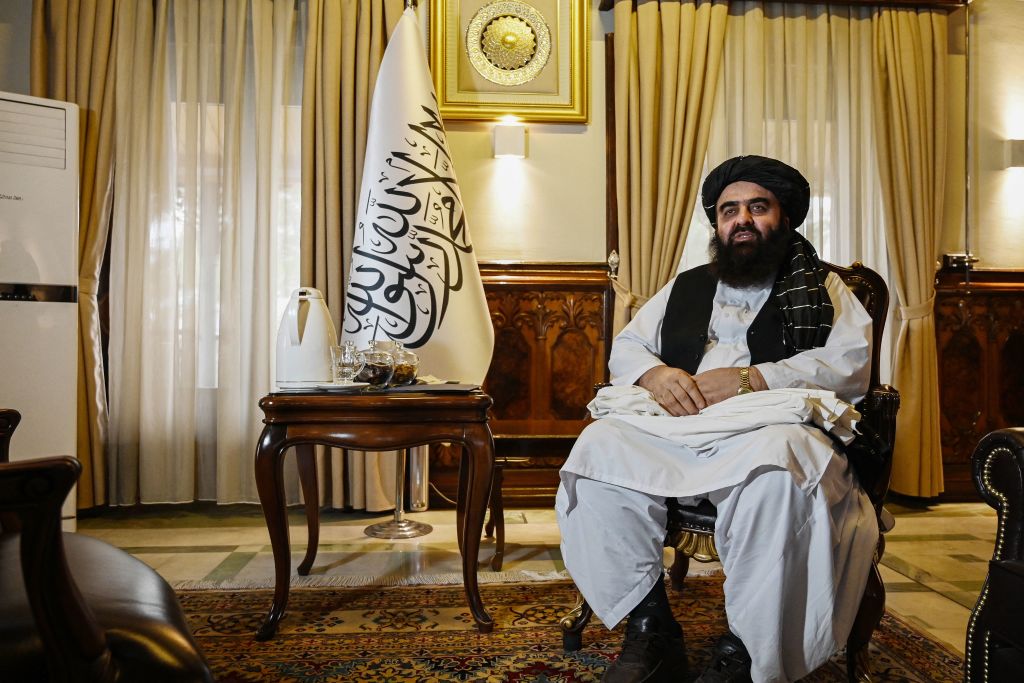
Mahmood also revealed that the British Government is “very closely” monitoring talks between the European Union and the Taliban on a European returns deal. The move in Europe is being led by Sweden, a country whose historic social liberalism is being tested to the limit by rising public anxieties over violent and sexual crimes linked to asylum-related integration failures.
These efforts to ramp up the speed of deportations are consistent with the Home Secretary’s policy on tightening migration rules. Mahmood has suggested one way that this can be achieved is by the UK leading the reform of the European Convention on Human Rights (ECHR) to tackle the ongoing migration and asylum crisis, especially on the small boats crisis. But this is easier said than done. Returns agreements with prominent countries of origin among failed asylum seekers and illegal migrants are likely to be a much more effective approach. There are particular concerns over Afghan nationals in this context, with a record 7,330 Afghans — including 1,670 migrants who crossed the Channel on small boats — having their asylum claims rejected last year.
Public perception will surely boost Mahmood’s desire to make a swift change to the migration system regarding Afghanistan. Lately, there have been a string of harrowing sexual violence cases in Britain involving Afghan nationals. One example last year involved two Afghan 17-year-olds, Jan Jahanzeb and Israr Niazal, who were both jailed over the rape of a 15-year-old girl in the Warwickshire town of Leamington Spa. Their sentencing was followed earlier this year by the 16-year prison sentence handed to Afghan national Ahmad Mulakhil after he abducted and raped a 12-year-old girl in the market town of Nuneaton.
There have also been sexual crimes committed by those with an Afghan background in other home nations. In Falkirk, Sadeq Nikzad, an Afghan national who entered the UK illegally on a small boat, raped a 15-year-old schoolgirl in broad daylight in 2023. Before being jailed for nine years, Nikzad sought to defend himself by citing language barriers and cultural differences, such as child marriage remaining a common custom in his homeland of Afghanistan.
The UK’s immigration and asylum crisis poses serious threats to female public safety. Particularly relevant here is the small boats emergency, which is ultimately a male-dominated form of irregular migration from countries with vastly different norms when it comes to the treatment of women and girls, such as Afghanistan, Sudan, and Iran. However, mitigating this problem would require the more efficient deportation of Afghan nationals. This would involve the UK Government cooperating with the Taliban, which currently presides over a country bearing one of the worst records in the world for women’s safety.
By treating the Taliban as a migration and security partner, the British Government would provide the group with considerable legitimacy on the international stage. But in the interest of safety and boosting wider public confidence in its asylum system, the UK perhaps has little choice. Mahmood and Labour must cooperate with a regime which is responsible for a particularly severe form of institutionalized oppression against women and girls, or risk a broader backlash from voters.
