








December 5 2025 - 3:20pm
It is easy to forget now that in early 2020, before Covid-19 took hold in Europe, the major non-political domestic news story in Britain was the “Sussex Wars”. Harry and Meghan’s decision to step back from royal duties in January of that year had been preceded, and was followed, by numerous press reports of conflicts between the couple and other royals. There were claims that Meghan had been high-handed towards staff, and counter-claims that her husband’s family had been unwelcoming and unkind.
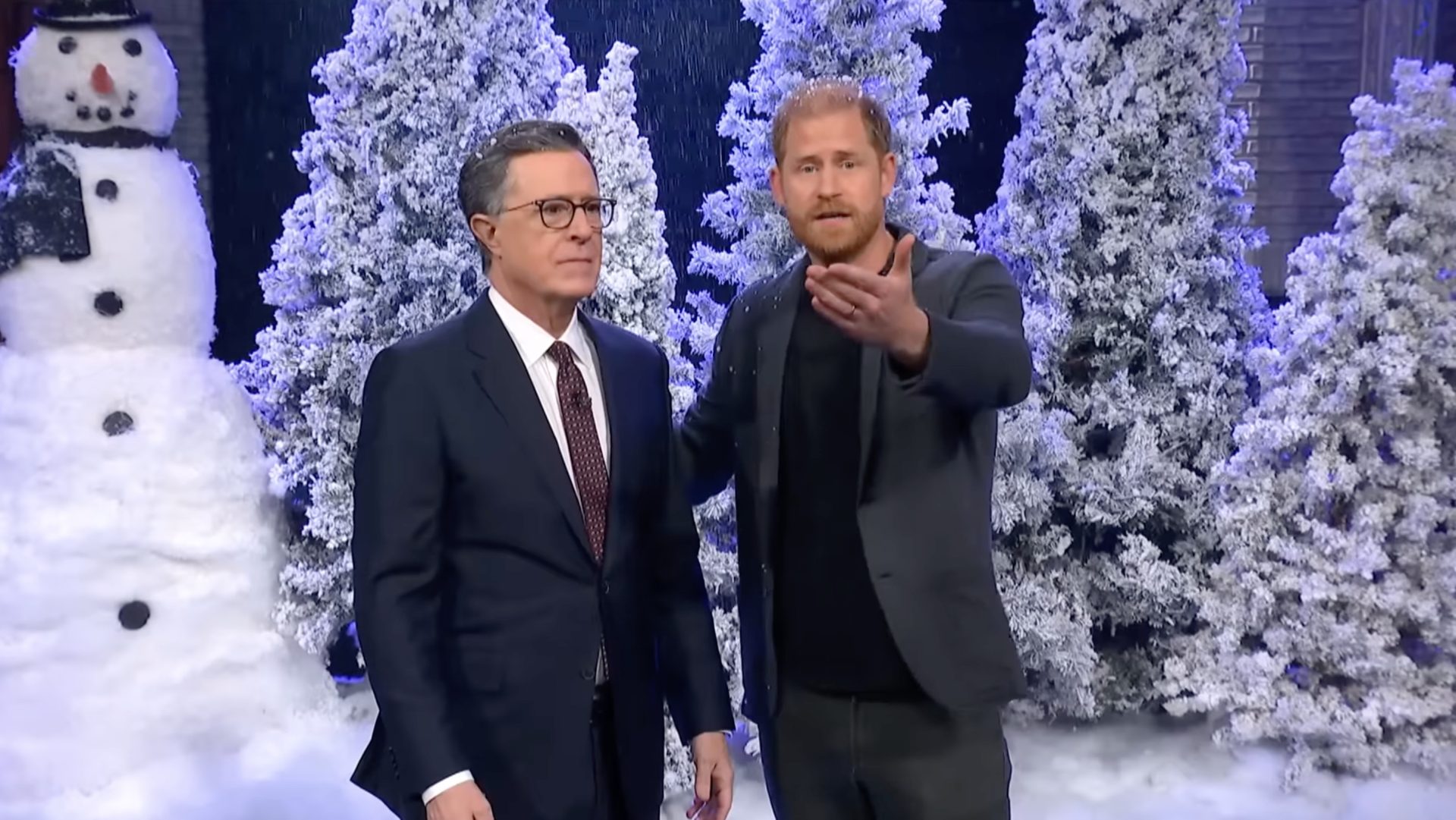
Nearly six years later, the Sussexes have faded from the headlines, re-appearing only briefly and intermittently. The most recent such occasion was Harry’s turn on The Late Show with Stephen Colbert, where he made some jokes about Donald Trump being a “king”. The jokes were not especially funny or sharp, but being rude about the President of the United States is a way of life in the wealthy West-Coast circles in which the Duke and Duchess now move. You can signal your membership of and loyalty to the class of international right-thinking luminaries by making such reliably progressive gags.
This is a clue to the origins of the falling-out between the couple and the other royals. It was above all a culture clash: the Californian actress, full of therapy-speak and keen to advocate for trendy causes, coming up against a relatively old-fashioned English ethos of reticence, reserve and carefully guarded political neutrality. Whatever the exact truth of the matter, the Sussexes clearly wanted to remain public figures, on their own terms — an understandable desire given the strange and constricted (albeit privileged) existence that members of the Windsor family must endure, but one which brings its own dangers.
The problem is that both Harry and Meghan have struggled to find a niche. Life as a freelance celebrity is all very well, but without anything distinctive or special to offer, the public will become bored. In the highly competitive landscape of modern entertainment, that is fatal. Various attempts at documentary-making and podcasting by the pair have been met with a mixture of apathy and disdain. Harry’s effort at that classic celebrity product, the self-indulgent and unreflective memoir, received critical ridicule. It turns out that you can only be “famous for being famous” for so long.
None of this solves the underlying problem of a man in search of a role, trying to fit into various circles in which he doesn’t really belong. Harry is not a man without qualities. He served with genuine distinction in the Army, including active combat in Afghanistan, and learned to fly an Apache helicopter. Early in his civilian career, he helped to launch the Invictus Games and the associated charitable initiatives for disabled service personnel, a genuinely impressive achievement. He continued his mother Diana’s work with HIV/Aids charities, with a particular focus on Africa. He was popular with the public, and there was enormous goodwill towards him and his wife at the time of their wedding, despite absurd attempts to claim that the British public did not warm to Meghan because of her ethnic background.
In exchanging Britain for the United States, the Prince, who remains fifth in the line of succession, gave up a fixed place within a particular rule-bound hierarchy in favor of a freer and more open way of life, in which he would be at liberty to broadcast his unremarkable opinions. Unfortunately, not everyone is well-suited to carving their own path. Sometimes, the guardrails are there to make sure you don’t get lost.

Join the discussion
Join like minded readers that support our journalism by becoming a paid subscriber
To join the discussion in the comments, become a paid subscriber.
Join like minded readers that support our journalism, read unlimited articles and enjoy other subscriber-only benefits.
Subscribe