









Oct 30 2026 - 10:00am
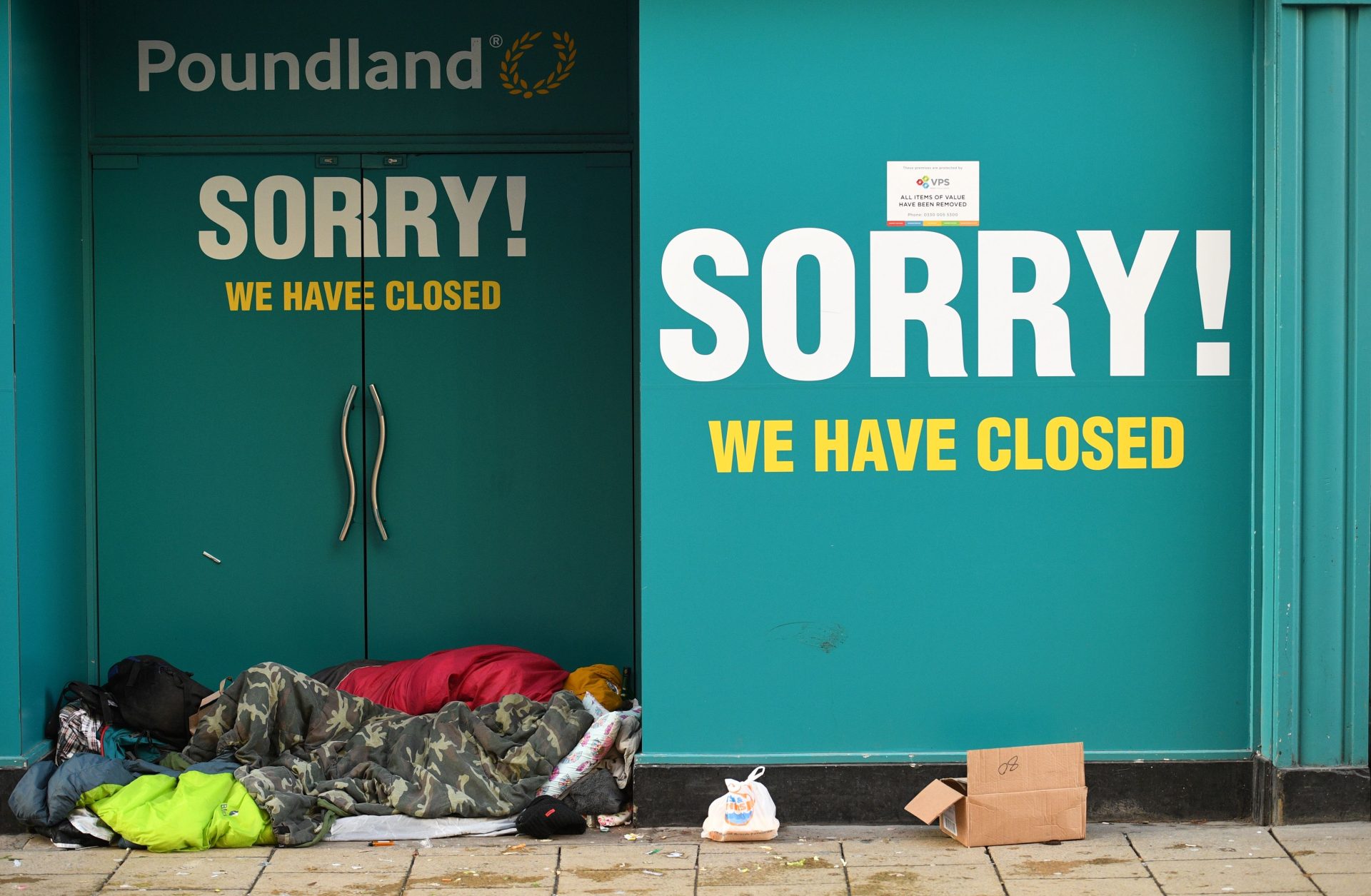
The discount retailer Poundland is on the brink of collapse. It has announced its intent to go into administration, with 12,000 jobs at stake. This follows a profit warning from Greggs, the high-street bakery chain, earlier this year, prompting some to question whether “peak Greggs” has now passed. TG Jones, the company formerly known as WH Smith, has also said it will close nearly a third of its shops.
The cause of the high-street crisis is clear. The Institute for Fiscal Studies predicts that this parliament will oversee the second-lowest annual growth in real household disposable income since 1979. In short, consumers simply do not have enough pounds in their pockets to buy the random assortment of bargain items that stores like Poundland have long provided.
Retailers and hospitality businesses have, however, done their best to avoid the current situation by aggressively discounting and keeping costs as low as possible. The discount sector is the UK’s fastest-growing physical retail sector, and will be worth over £50 billion a year by the end of the decade. There is clearly demand — but, for many, even Poundland Britain has become too expensive.
Politicians, meanwhile, seem incapable of getting through any interview without referencing the high street. This week’s Budget announced a new “Hope on the High Street” strategy, alongside £210 million of investment to transform derelict buildings, as well as an increase on the business rates threshold to support high-street businesses.
This is the fourth high-street strategy since the financial crisis, and despite the billions of pounds spent, Britain remains stuck in a vicious cycle. The Government tries to respond to the decline of the high street and the powerful retail lobby through short-term tax reliefs and stimulus measures. Retailers become dependent upon these interventions to keep the price of their products and services down so that squeezed households can keep spending. Depressed local economies get hooked on subsidies to sustain their high streets, demanding another wave of crisis response, and so the decline continues. However, this pattern of relief sucks up resources that could be used for investments which create genuine, long-term growth and bring income into communities.
The only way to help high streets is to focus on the foundational sectors of the economy that actually bring money into the country and to local areas. The aerospace, pharmaceutical, automotive and petrochemical sectors all offer greater opportunities for growth, yet received little attention in the Budget. There was also limited help for business energy costs, which are crippling the competitiveness of these crucial sectors. Aiding companies such as Rolls-Royce would do far more for growth than propping up the likes of TG Jones.
Britain is mired in a permanent cost-of-living crisis. The public knows this, and wants decisive action to deal with it, not sticking plasters. Prime Minister Andy Burnham has gained popularity precisely because he is perceived to be a break with the past. Unfortunately, the Budget appears to have doubled down on the wrong path. Until Britain changes course, funds for derelict buildings and subsidies to shore up struggling businesses like Poundland will remain a regular budgetary items, not a temporary response.
Andrew O’Brien is the former Director of Policy at the think tank Demos and currently Head of Secretariat of the Independent Commission on Neighbourhoods. He writes in a personal capacity.
 ADOBrien88