









August 20 2026 - 6:30pm
Lindsay Clancy, a woman with a history of serious mental illness, is currently on trial in Massachusetts. A jury will determine whether she was sane when she killed her three young children. The case involves some of the worst experiences of human suffering: a family has been destroyed, a mother has been devastated by psychosis, and a father has three deceased children.
The livestreamed trial is a media sensation. It’s been covered by People, E! News, TMZ, PBS, CNN, ABC, NBC, BBC, Fox News, The Boston Globe, New York Post, and numerous local outlets. Amazon Prime has presented the trial recordings as if they were part of a crime series, and the opening statements have racked up over 1.8 million views on YouTube.
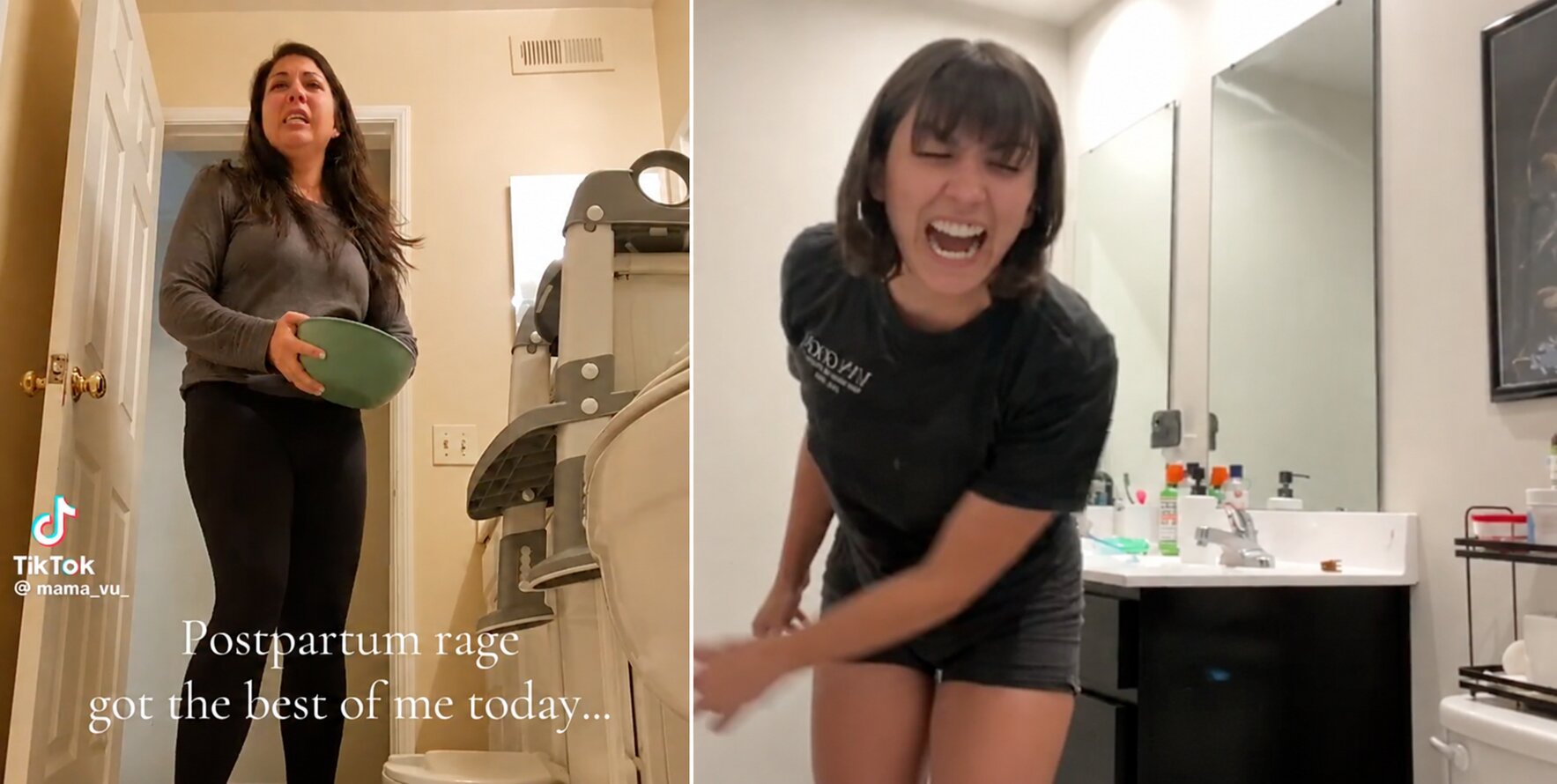
Out of this tragedy, some concerning trends have emerged. Online spectators are posting their trial takes as if they’re kids spotting clues in a fictional whodunit, while others are performing “postpartum tantrums” as if becoming psychotic and killing infants was good fodder for comedy sketches. Everyone has an opinion, and most have personal agendas.
Who does livestreaming this horrific, complex ordeal really benefit? Video coverage of criminal trials is not a requirement. Whether courts should allow it is a live debate. On the one hand, video allows the public to observe justice directly and can expose misleading accounts. On the other hand, cameras change court participants’ behavior, turning proceedings into entertainment, and can produce misleading reporting that goes viral on social media.
Nowhere is this more evident than on TikTok. One online “therapist” posting about the Clancy trial shared a 10-minute rant to her 100,000+ TikTok followers, captioned “the prosecution’s lies”. A social worker, she presented herself as an authority, alleging that she worked at a hospital where Clancy once received treatment. But she admitted she didn’t personally treat Clancy, and had stopped working at the hospital before Clancy was ever treated there. Clancy’s lawyer found the viral video and tried to make the woman a defense witness. She was called to court — which garnered media attention — and presented evidence while the jury wasn’t there. Her “evidence” wasn’t material: she was simply “emotional” about the livestreamed trial describing hospital staffing levels in a way that was “not aligned” with her lived “experience”. Judge William Sullivan did not allow her testimony. But she has already benefited from the media attention.
Social media compounds the implications of court footage being available. Research has found that positive feedback for moral outrage makes users more likely to express outrage again. Sensationalized coverage can contribute to suicide deaths. Social contagion effects are well-documented for many high-risk behaviors — such as violence, drug use, and criminal offending — and social media often continues those effects, such as violence, aggression, emotional detachment, and weakened interpersonal empathy.
Social media normalizes violence. While evidence does suggest there is some short-term “copy-cat” contagion after heavily publicized violent attacks, research more consistently links repeated exposure to violent media with emotional desensitization. Recent TikTok videos of “postpartum tantrums” represent precisely this kind of effect.
There is a case to be made that transparency into court proceedings protects the defendants and the public. During the pandemic, video broadcasting helped ensure public trials when in-person attendance was severely limited. But public trials and transparent courts do not require unrestricted livestreaming. Court galleries open to the public, professional news reporting, transcripts, and live audio all provide transparency, too.
The age of short-form video favors heightened emotion and ignorance, while being a step removed from humanity. Wouldn’t courts benefit from less of that? In case it got lost in all the videos, posts, and opinions: three children are dead.
