








January 7 2026 - 7:00am
Parliament
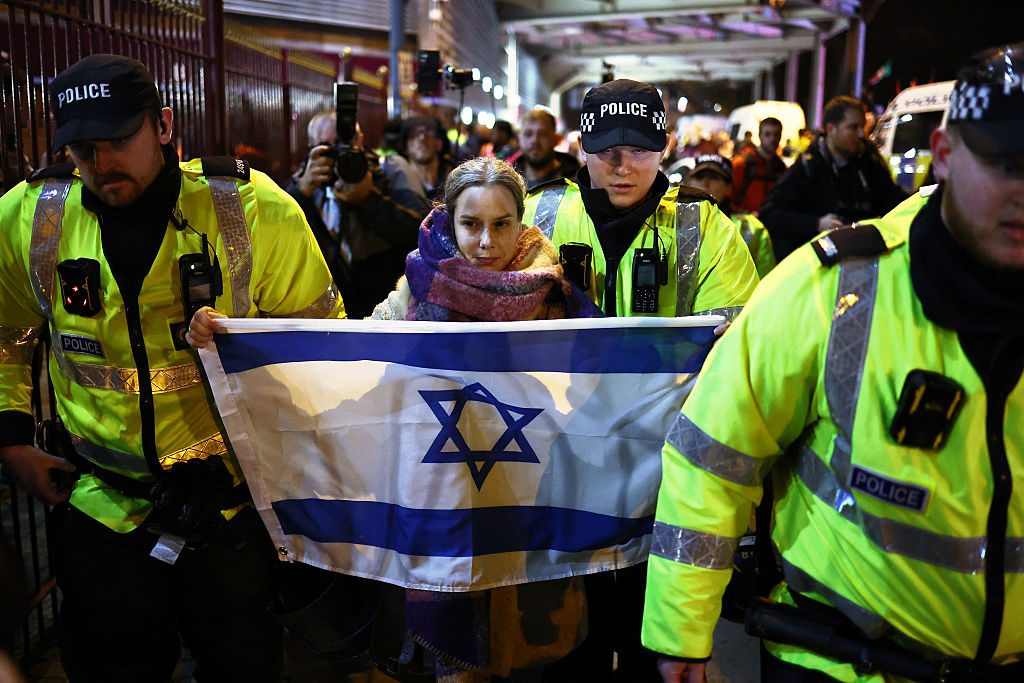
As four senior West Midlands Police officers were ushered into the committee room to face the Home Affairs Committee for a second time, many members of the Jewish community did so as well. They were eager for clarity and, they hoped, a measure of institutional and personal accountability over the controversial decision to ban Maccabi Tel Aviv fans from a football match against Aston Villa last autumn. Those hopes were quickly shattered.
West Midlands Police’s decision to bar Maccabi supporters was supposed to be about public safety. What emerged at the Home Affairs Committee yesterday suggests something far more corrosive: a policing culture willing to bend facts, suppress inconvenient intelligence, and quietly accommodate intimidation, while insisting it is doing none of those things.
Senior officers repeatedly claimed yesterday that their decision was based on an “absence of intelligence”. Yet, under questioning, it became clear that there was no shortage of intelligence at all, only a selective use of it. Most strikingly, police admitted that they had intelligence indicating Muslim vigilante groups were actively arming and planning to seek out and attack Maccabi fans. This was not disclosed to the Committee previously. When asked why, the answer was astonishing: they were not asked.
Their narrative focused on alleged threats posed by Israeli fans themselves — an assessment based on flawed and misleading information. Their claim to have relied on evidence from the Jewish Community Security Trust was so misleading that the CST felt compelled to publish the material it had provided to the police. This was done to set the record straight. Far from supporting a ban, the evidence showed that the most serious threat came from local Islamist and antisemitic thugs.
Throughout, the police’s reframing shifted responsibility away from those threatening violence and onto the targets of that violence, justifying restrictions on Jewish fans rather than confronting those seeking to harm them.
Equally troubling was the continued reliance on supposed intelligence from Dutch police, which the Dutch authorities have explicitly denied. This information played a major role in the decision, yet could not be substantiated when challenged. At no point during yesterday’s meeting did officers satisfactorily explain how refuted intelligence could still underpin such a serious decision.
Committee members repeatedly raised the question: was this a politicized decision? The police denied acting under political pressure, yet they acknowledged meetings with a local anti-Israel MP. They also engaged local councilors who were later identified by committee members as having histories of antisemitism. Most strikingly, their approach to “community reassurance” excluded any meaningful consultation with the Jewish community until after the ban had already been imposed. Even after admitting mistakes, and when confronted with evidence that challenged the police’s information and assessment, Chief Constable Craig Guildford said he stood by the original decision.
This is where trust fractures. For Jewish communities, the message is unmistakable: the police chose to ban Israeli fans rather than confront those issuing threats. For Islamist actors, the signal is equally clear: intimidation works. If enough pressure is applied, the state will manage the consequences rather than challenge the cause.
This is not merely a failure of one force, or one match. It is a test case for post-October 7 Britain. Can the police uphold equal protection under the law when threats are politically sensitive? Or will “public safety” become a euphemism for risk aversion, selective disclosure, and quiet concession?
West Midlands Police insist the information before them was “compelling”. After yesterday’s evidence, what looks compelling instead is the scale of contradiction, evasion, distortion of facts, and institutional defensiveness that panders to Islamist thugs. Jews, once again, don’t count.
Dr Limor Simhony Philpott is a writer and researcher focusing on antisemitism, extremism and defence.
 limorsimhony
Join the discussion
Join like minded readers that support our journalism by becoming a paid subscriber
To join the discussion in the comments, become a paid subscriber.
Join like minded readers that support our journalism, read unlimited articles and enjoy other subscriber-only benefits.
Subscribe