







 Prefer us on Google

September 2 2026 - 10:00am
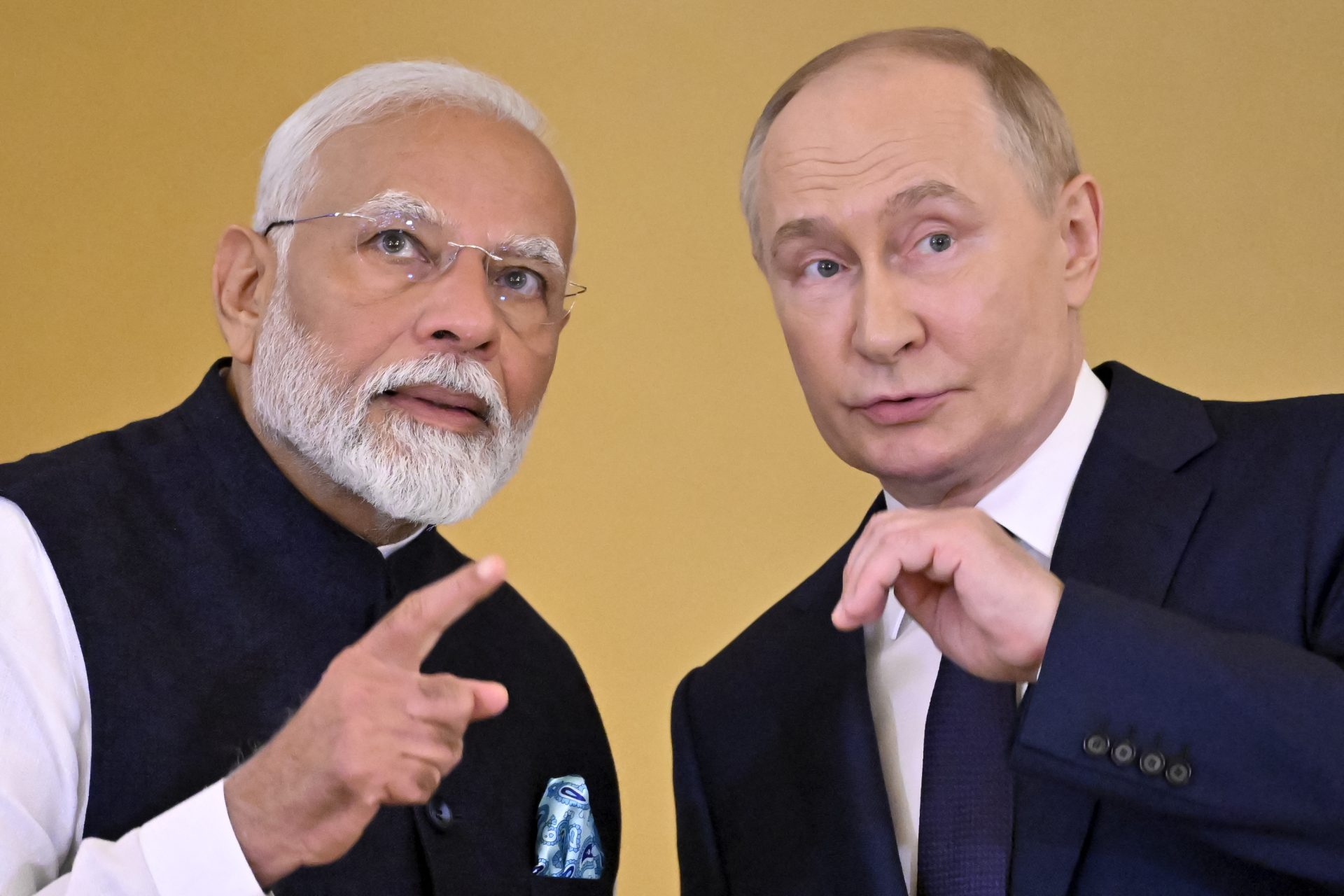
A whisper of reproach from a friend can wound in places that an enemy’s fiercest blow could never reach. That is the lesson learned by Vladimir Putin this week at the Shanghai Cooperation Organization summit in Kyrgyzstan, where Indian Prime Minister Narendra Modi couched his critique of the ongoing Ukraine War in the warmest of words, addressing his Russian counterpart as a “friend” and celebrating the deepening economic ties between their nations. Yet, beneath the courtesies was a pointed plea that clearly unnerved Putin, namely that there should be a shift from “endless war to an end to this war”.
In some respects, Modi’s remarks are nothing new. As far back as 2022, he stressed to Putin behind closed doors that “today’s era is not of war”, further reminding him of the importance of “democracy, diplomacy and dialog”. However, such a renewed public intervention on Ukraine will feel dangerously close to humiliation for the Russian President, especially coming shortly after similar comments by another ally, Kazakhstan’s President Kassym-Jomart Tokayev.
Modi’s remarks may have come as a surprise, or else India had already warned Moscow in advance that such a message was coming and brushed aside what presumably were the pleas, threats and a lesson in Russian curse words that came in response. Either way, the country’s decision to deliver such an open rebuke points to remarkable confidence on Modi’s part and a conviction that he has little to fear from Putin.
If their relationship is deteriorating before the world’s eyes, it is perhaps because Putin is less attractive to Modi than he once was. And there are longer-term developments at play: Delhi is purchasing fewer weapons from Moscow and, as Russia grows more reliant on China, it is not as useful a partner to India in balancing Beijing’s rise. But more recent events are likely to have sparked this latest episode. Russia has just downgraded its oil output forecast for 2026 to a 17-year low, following a highly successful campaign of Ukrainian strikes on energy infrastructure. Oil production estimates for the next three years are up to 20 million tons lower than May’s outlook.
Keen for a stable source of cheap energy to enable his ambitions around domestic growth, Modi has purchased discounted Russian oil throughout the war, much to the chagrin of his Western partners. But now the tables have turned. Putin is running to him for supplies and Delhi is diversifying its imports amid fear of US wrath and as the Iran War drives prices higher. Besides, the Lindsey O. Graham Sanctioning Russia Act has advanced in the US Congress, putting the American President one step closer to sticking tariffs of up to 100% on nations purchasing Moscow’s energy and arms, or enabling its sanctions evasion.
Modi may also be seeking to position himself as a global statesman. Last week, CIA director John Ratcliffe used his visit to Moscow to pitch the idea of a meeting between Trump, Putin and Volodymyr Zelensky. Discussions have stalled and Putin has always been reluctant to meet his Ukrainian counterpart. Yet, Modi may have conceived of this call for peace as a job application for a mediation role, grabbing headlines and simultaneously emphasizing his commitment to dialog and his existing ties with both sides.
A gradual but steady loss of friends may eventually make Putin question whether grinding away for more Ukrainian territory is worth the cost. So too might the realization that Ukrainian strikes on Russia’s energy infrastructure are reducing Moscow’s ability to use oil as leverage over its partners. Deals can be struck with enemies, but it is the loss of a friend that truly hurts.
