









September 27 2026 - 1:00pm
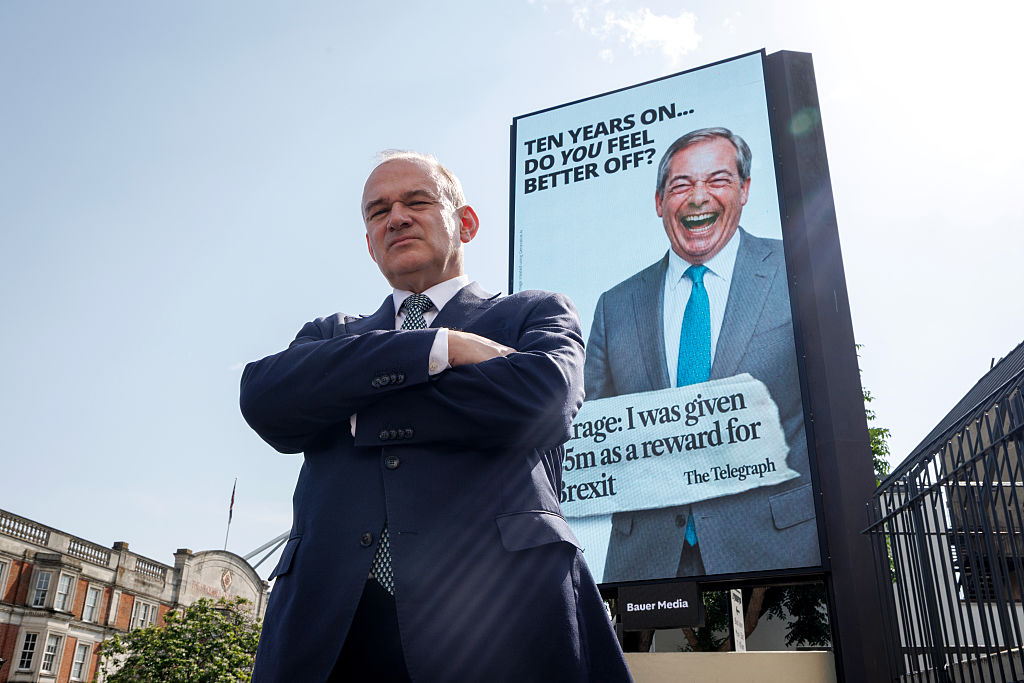
The topic of Britain’s relationship with Europe has returned to frontline politics. Activists arriving at this week’s Liberal Democrats conference would have wondered what Britain’s supposed third party, which often finds itself polling in fifth place, is fighting for. Leader Ed Davey told them: the Lib Dems will be the party to put Britain “back at the center of Europe”.
Further fuel was added to the fire when it was reported this week that Andy Burnham is hoping to secure an EU reset deal. The Prime Minister even had a meeting with European Commission President Ursula von der Leyen to bridge the diplomatic gaps between Britain and the EU. Former PM Tony Blair has also suggested that Britain should work towards rejoining the EU within the next 10 years.
Raising the salience of Europe in British politics will appeal to Left-liberal voters. But what would it mean for the wider landscape if rejoining the EU becomes a battleground once more?
Just last year, Burnham told the Guardian: “I hope in my lifetime I see this country rejoining the European Union.” Most of Labour’s current voters agree with him — 70% of them would like to rejoin — and plenty of Labour MPs believe reversing Brexit, at least in part, is the key to improving economic growth and addressing the cost of living. If Lib Dem estimates are to be believed, rejoining the single market alone would be enough to fund a £17 billion tax giveaway.
Standing in Burnham’s way is the 2024 Labour manifesto, which set out red lines on how close Britain would get to Europe during this parliament. Going beyond that, without being accused of breaching voters’ trust, would require winning another outright majority in an election — which Burnham is not currently on course to do. It would also mean finding a way to sell reintegrating Britain with Europe to Burnham’s Leave-voting constituency and many more like it.
Increased salience for Europe is also a risk for the Conservatives. The vast majority of former Tory voters lost to Reform plumped for Leave in 2016, while many of the seats the party most needs to win back from the Lib Dems voted Remain. And of all the parties, Tory voters are the most divided on Europe. So while Kemi Badenoch has been clear that Brexit does mean Brexit, the best approach for her party is to be able to move on from it — something Davey undoubtedly knows, and wants to prevent from happening in their battleground seats.
Ironically, the party most likely to be cheering Davey on is Reform UK. Farage’s prominence in British politics stems from his long-running fight to wrench the country out of Europe. While a majority of voters (57%) now think Farage’s crusade was a mistake, 30% do not — significantly more than Reform is currently polling. A party leader defined by his opposition to Europe would welcome the chance to fight for the support of those voters in a repeat of the Brexit wars.
Ultimately, the risk for Davey is that Farage has been much more adept than him at exploiting Britain’s relationship with Europe for political advantage. The Lib Dems went into the 2019 election on a promise to cancel Brexit and won just 11 seats. They may once again find that elections fought around the issue of Europe prove fruitless for them, and boost nobody but Farage.
Lee David Evans is an historian of the Conservative Party and the John Ramsden Fellow at the Mile End Institute at Queen Mary, University of London. He is the author of Coronations & Defenestration: Choosing (and losing) Tory Leaders and the co-host of the podcast Since Attlee & Churchill.
 LeeDavidEvansUK