









April 13 2026 - 4:00pm
The Home Office has announced the closure of 11 asylum hotels this week, as part of its wider pledge to shut all such facilities by the end of this parliament. Keir Starmer’s government is banking on earning the trust of the British public on matters of immigration and refugee policy but, on present form, this will be easier said than done.
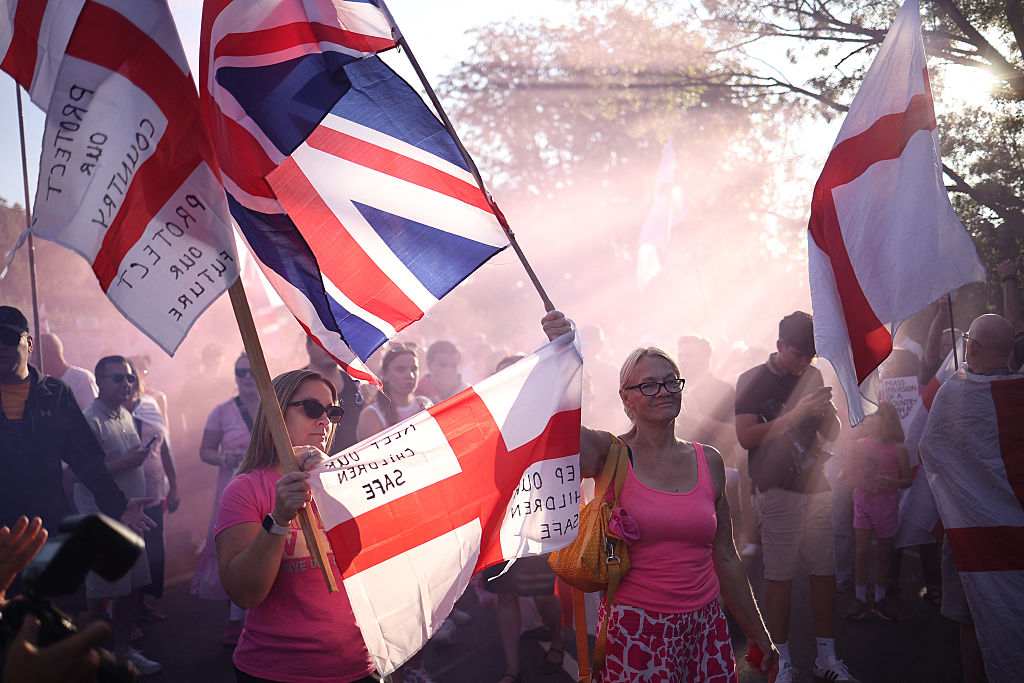
Britain’s asylum accommodation system has long proved a source of controversy. Last summer, Ethiopian migrant Hadush Kebatu sexually assaulted a 14-year-old girl in the Essex town of Epping. He was staying at the Bell Hotel, which then became the site of demonstrations against the housing of asylum seekers. Migrants who cross the English Channel on small boats, as Kebatu did, are predominantly young males from parts of the world with vastly different attitudes towards the rights and treatment of women and girls. This poses a significant threat to female safety. One prominent country of origin is Afghanistan, which ranks at the bottom of the Georgetown Institute’s Women, Peace and Security Index, below the likes of Somalia, Sudan, and Iran.
Labour’s action in closing down these facilities is commendable, but there are still almost 200 hotels in use across the country, housing in the region of 30,000 asylum seekers. Providing alternative accommodation is often unpopular, and doesn’t necessarily address concerns about the risks to public safety and social order posed by the small-boats crisis.
This has been demonstrated in places such as the East Sussex town of Crowborough, where the Home Office’s plans to house more than 500 male asylum seekers at a former military site have been greeted with significant local protests and ongoing legal challenges by residents. There have also been demonstrations in the Essex town of Braintree over the nearby RAF Wethersfield base being used as a “mass accommodation site” for asylum seekers since 2023. The facility, according to the UK Government, has a shuttle bus service to Braintree, as well as the cities of Chelmsford and Colchester. Another option is houses in multiple occupation (HMOs), which provide less scope for security — both for residents and the wider community — than hotels.
The Home Office pledge on asylum hotels is therefore only solving a small part of the problem. The greater issue is how to shore up the UK’s borders and ultimately foster an asylum system which prioritizes social cohesion and public security. With the Conservative Party and Reform UK both committed to the UK’s withdrawal from the European Convention on Human Rights (ECHR) to tackle illegal migration, Labour Home Secretary Shabana Mahmood’s calls for mere reform of the supranational treaty may be viewed as insufficient by voters who support more traditional notions of national sovereignty.
While leaving the ECHR is hardly a magic bullet for the UK’s asylum crisis, the Government’s current course of action is insufficient. Shifting illegal migrants from hotels to other forms of accommodation, such as former military bases and HMOs, is akin to rearranging the deckchairs on the Titanic.
