








February 3 2026 - 10:00am
During the 2024 general election, Nigel Farage labeled the Conservative Party “a broad church with no religion”. While it might be uncomfortable for Tories to admit, he was right.
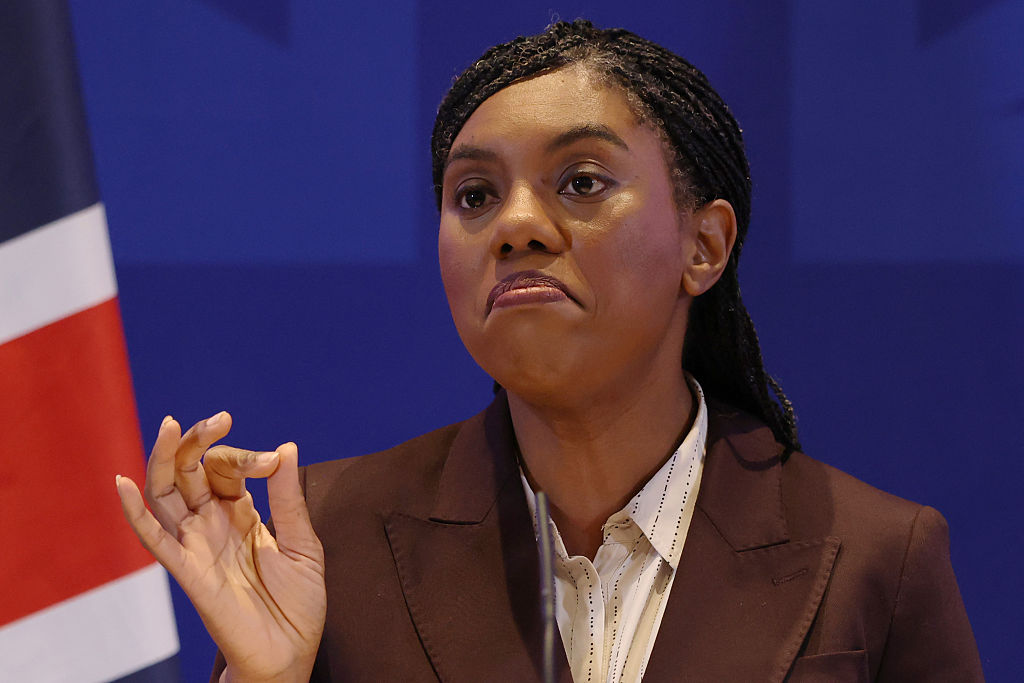
At the weekend, Kemi Badenoch’s adviser Lord Gilbert laid out the Conservative strategy for winning back voters who have moved to Farage’s party. That is: demonstrate the party has learned from its mistakes, do not smear Reform UK voters as racist or extremist, and do not rise to the bait when Farage attacks. It’s a plan built on patience — a virtue the Conservatives have not displayed in a decade.
That strategy would have been impossible six months ago. With Suella Braverman and Robert Jenrick still in the tent, any call for discipline would have been quickly undermined. Their departures have not weakened the party’s authority. Rather, they have made authority possible again.
The old logic was simple: internal disagreements could be managed because the cost of splitting was obvious and the enemy was clear. But since Brexit, that logic no longer exists.
Consider what Keir Starmer did to the Labour Party after Jeremy Corbyn’s spell as leader. Starmer suspended his predecessor over Corbyn’s response to an EHRC report on Labour antisemitism. He blocked him from standing as a Labour candidate. He forced out the Left of the shadow cabinet and fought an open war with Momentum. It was ugly and costly, but necessary. Starmer understood that a party which cannot define what it stands for cannot ask voters to trust it with power. Badenoch now faces the same challenge.
Euroskeptics and One Nation moderates never shared a coherent philosophy. What held them together was not common belief, but instead common distrust of Labour and a mutual desire to vie for influence once in power. Remove both, and the coalition dissolves. Badenoch’s task is not to rebuild that coalition, but to build something that never actually existed: a Conservative Party with a positive reason to exist beyond “we’re not Labour” and “we’re not Reform”.
It may seem counterintuitive to suggest that narrowing the definition of conservatism will lead to electoral success. If the Tories tack further Right, they risk losing One Nation members to the Liberal Democrats; if they tack Left, they cede the Right entirely. But this is the wrong framing, and puts the cart before the horse. Starmer did not triangulate between Corbynites and centrists. Instead, he articulated a vision of what Labour stood for; a coalition then naturally emerged as supporters rallied to his side. The Conservatives cannot outbid Reform, nor can they out-moderate the Lib Dems.
The only distinctive offering available is a credible governing philosophy — honest about trade-offs, upfront about constraints, and rooted in something other than opposition to whoever is currently in power. That requires knowing what you believe before asking who might vote for it.
None of this means the Conservatives are in a good position. According to More in Common’s January MRP, Reform leads on 31%, followed by the Conservatives on 21% and Labour on 17%. On those numbers, Reform would win 381 seats, leaving both Labour and the Conservatives to fight for second place. The May local elections are likely to be brutal.
A distinctive Conservative offer, therefore, needs to provide what Reform cannot. Reform’s central promise of introducing DOGE in the UK, that the Government is bloated with waste waiting to be cut, is already facing problems. The Conservatives have an advantage over Farage’s party: the knowledge that governing means building systems, not just burning them down. That means embracing planning reforms to deliver housing, a serious look at NHS spending, and a revision of social care statutory requirements.
Badenoch has not yet articulated this vision. But the defections have handed her something no Conservative leader has had since David Cameron: the possibility of answering “what do you believe?” without first accommodating factions which disagree on first principles. Once that vision is articulated, the right people will flock to the party. Survival requires clarity, and clarity requires choice. The departures to Reform, agonizing as they are for Tory loyalists, are forcing that choice. The broad church’s congregation has split.
Badenoch will likely not be the prime minister. But she may be something more important: the leader who finally tells Conservatives the truth about who they are and who they are not. Whether they can bear to hear it is another matter entirely.

Join the discussion
Join like minded readers that support our journalism by becoming a paid subscriber
To join the discussion in the comments, become a paid subscriber.
Join like minded readers that support our journalism, read unlimited articles and enjoy other subscriber-only benefits.
Subscribe