








August 15 2025 - 10:30am
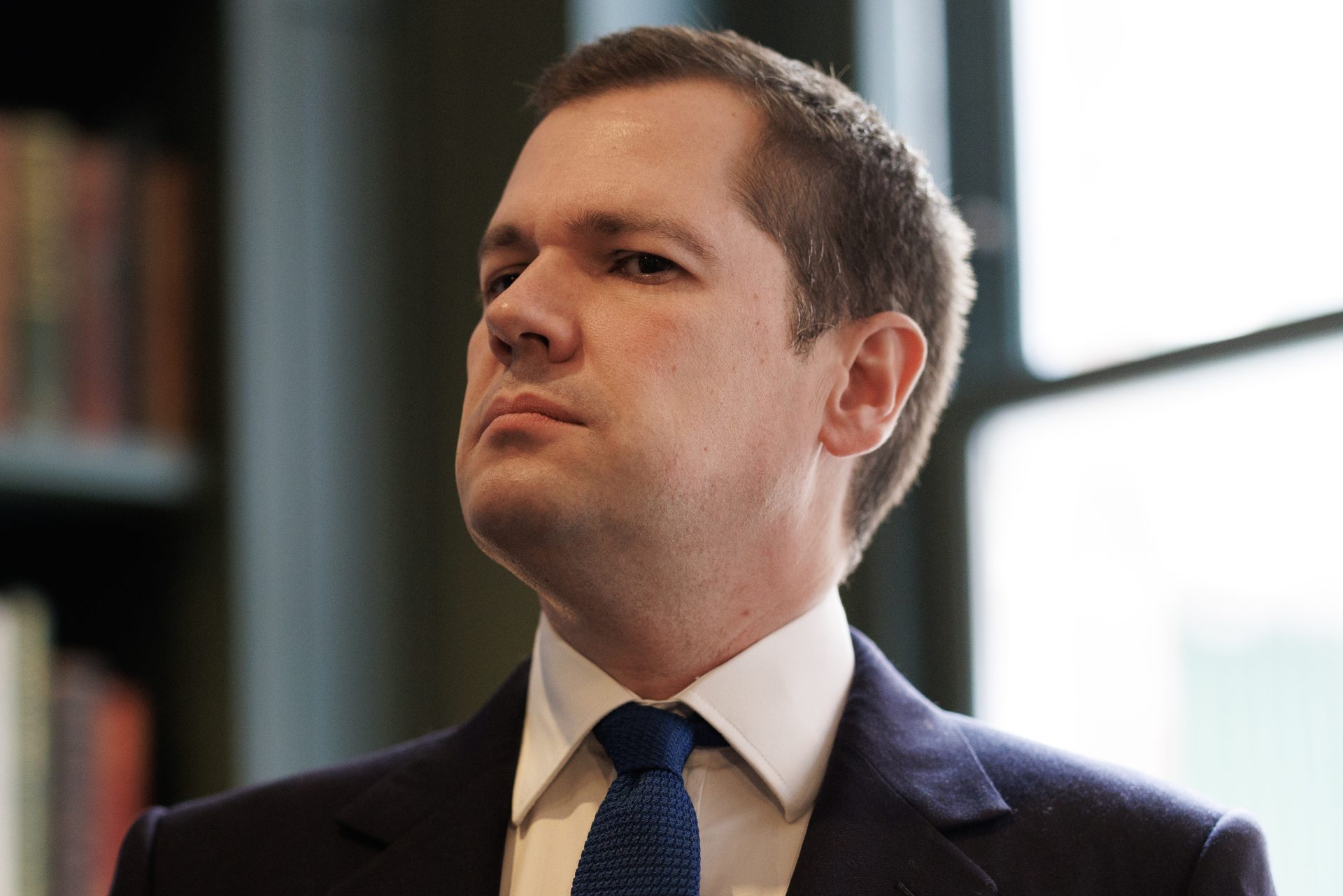
Thought for the Day, the “God slot” on BBC Radio 4’s flagship breakfast-time news show Today, has added to its fine old tradition of political spats. Krish Kandiah, a Baptist theologian and refugee charity director, used Wednesday’s five-minute slot to have a go at Robert Jenrick for xenophobia after the Shadow Justice Secretary wrote in the Daily Mail that a series of incidents involving residents in refugee hotels “made him fearful for his daughters’ safety”.
Kandiah’s speech was barbed and personal enough that it was edited retrospectively for use on BBC Sounds, while the BBC’s Director of Standards wrote to apologize to Jenrick without a complaint even having been made.
Thought for the Day tends to share the BBC’s broadly liberal-Left tendencies, and during the Eighties it was regularly criticized by the Tories as a politicized bully pulpit for Left-wing bishops such as Tom Butler and Jim Thompson to attack the Conservative Party. Yet the program has also showcased more than a smattering of trenchantly Right-wing contributors over the years, from Bishop Bill Westwood, the overtly Thatcherite father of former BBC DJ Tim, to agony aunt Anne Atkins, who caused a furor in 1996 when she used her slot to savage Southwark Cathedral for hosting the Lesbian and Gay Christian Movement.
Of course, a politicized program is not in itself a bad thing. The alternative isn’t necessarily spiritual depth, but instead trivial blandness.
The producers’ job of balancing contributors’ opinions is also made more complex by needing to include not only Christians of various denominations, but also Jews, Muslims, Buddhists, and Sikhs. Beyond that — and this is sometimes more difficult to understand in a largely non-practicing society — even within Christianity, religious tendencies don’t always translate neatly across onto the secular Left-Right spectrum.
Kandiah, for example, holds what might be considered Left-of-center views not only on migration, but also on criminal justice and the welfare state. Yet he also has a track record of opposing gay relationships among Christians and is a former director of the socially conservative Evangelical Alliance. Meanwhile, former archbishop of Canterbury Justin Welby, who was widely criticized for bringing progressive politics into the Church, has nonetheless expressed his opposition to sex outside marriage.
In fact, this combination of social conservatism and cultural and fiscal radicalism reflects the views of a substantial share of Britain’s clerical top leadership, across the theological spectrum. At the same time, while just about every possible mix of political and theological viewpoints is present on the pews, research shows the laity, at least in the Church of England, tends to take the opposite pairing of views to their bishops: liberal on gays and abortion, to the Right on economics, migration, and law and order.
It is that great mass of opinion in the pews — tolerant, even liberal on issues such as abortion and gay relationships, but far from thoroughly progressive — that never seems to have a champion on Thought for the Day, nor among the Christian intelligentsia and commentariat more widely. Oddly, this mix of views is broadly where the average Briton sits. Church decline is a multi-causal process, but this inability of top leaders to speak to the broad mass of public opinion must partially contribute.
In a world where churchgoing and consumption of BBC media are both in decline, some will ask how relevant Thought for the Day still is. For one thing, its prime-time slot during Today means it receives particularly high listenership among the political and cultural élite. Additionally, demographic shifts mean that Britain is set to become more religious again, with rapidly growing populations of Muslims and African-heritage Christians in particular. This slot matters, and may soon matter more.
Kandiah offered an olive branch to Jenrick on X last night, saying he would “love to find a way we could work together […] on the real challenges that are making people worried”. He referred to “housing, jobs, and the cost of living”, though absent — notably — was the challenge of immigration.
Join the discussion
Join like minded readers that support our journalism by becoming a paid subscriber
To join the discussion in the comments, become a paid subscriber.
Join like minded readers that support our journalism, read unlimited articles and enjoy other subscriber-only benefits.
Subscribe