








December 9 2025 - 4:00pm
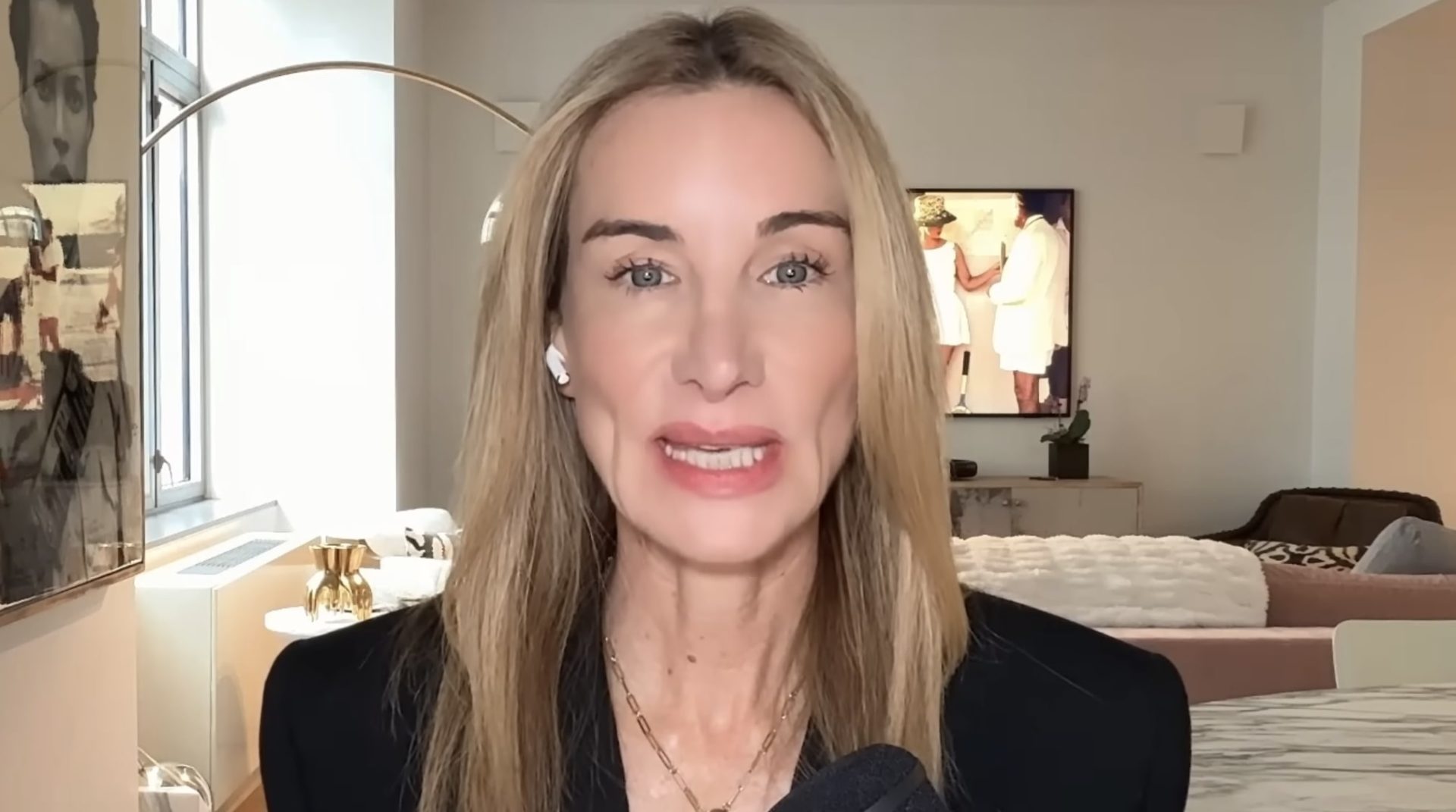
Jennifer Welch’s rise isn’t mysterious. It just looks that way to Democratic elites confused by a failed-reality-star-turned-podcaster commanding real influence. The reason is that she’s not interested in their rules.
The line “when they go low, we go high” defined how party leaders wanted to be seen during the first Trump administration. As technology kept eroding legacy media’s power, MAGA set about building parallel institutions. The Left, by contrast, stayed inside the gates, relying on the power it already held.
Now, though, the Left’s barbarians are at those same gates — and they’re furious with party elites. The New York Times published a splashy profile of Welch on Sunday, as her influence on social media gives voice to a base that’s long past due for its own Tea Party movement. Welch’s red-state background and Southern accent let her get away with trashing Trump-friendly evangelicals and conservative culture warriors on her I’ve Had It podcast in a way coastal Democrats can’t quite capture. Those traits also make Welch a rarity in elite media spaces, where most progressives have little background in “flyover country” and Democrats remain eager to win back blue-collar voters.
It’s obvious to most people outside the Acela Corridor green rooms that Welch, a wealthy interior designer who now lives in a swanky Manhattan apartment, won’t solve that particular problem. On the other hand, she’s filling a wide-open gap on the Left that party leaders and talking heads ignored for way too long. “I used to be a good MSNBC liberal that libbed out and bought into all of that,” Welch told the Times. But “when you lose a political race two times to a moron… you really have to go, ‘OK, what in the actual fuck is going on?’”
This is how Welch explains her willingness — nay, eagerness — to launch sharp attacks on the Democratic Party establishment. Coasting on the fumes of the country’s discomfort with Trump, Democrats spent years shielding themselves from the reality of a brewing mutiny in their ranks. Because other Democrats still fail to understand this, Welch is cornering the marketplace, leaving less oxygen for voices who perhaps come to the discourse without such dripping contempt for the very voters progressives say they want to reach.
Democrats loved to mock the viral sensations Diamond and Silk, a former conservative podcast duo, but don’t see in Welch and her co-host the same dynamic of rage bait and quiet nodding. Welch, for example, has said three-time Trump voters should be “banned” from multicultural places. “Get your fat asses out of the Mexican restaurant and get your fat asses over to Cracker Barrel,” she raged in August. “Because nobody wants to see your fucking smug ass, teeny-weeny, pink arm, big gut around.” She’s also called the slain conservative activist Charlie Kirk a “racist”, his mourning widow a “grifter”, women’s sports activist Riley Gaines an “insufferable twat”, and White House official Stephen Miller a “Nazi Jew”.
Readers will be surprised to learn that the New York Times did not descend into a moral panic over this rhetoric in its profile of Welch. But her open hatred for the Right is both a moral and political hazard. The Left needs voices who empathize with Trump voters — many of whom legitimately deserve empathy — if it wants to persuade people and expand its base. And the country needs to learn to coexist too. When media elites attack Kirk and Miller and Gaines as bigots, average people assume those attacks apply to them as well.
All that is to say that if Democrats are looking for leading voices in the Tea Party era, there are two qualities they should prioritize. The first is an understanding of widespread frustration with the establishment. The second is an ability to connect with the kind of Trump voters who share that frustration. Welch checks the first box in spades, and that may actually be what hurts her most with the second one.

Join the discussion
Join like minded readers that support our journalism by becoming a paid subscriber
To join the discussion in the comments, become a paid subscriber.
Join like minded readers that support our journalism, read unlimited articles and enjoy other subscriber-only benefits.
Subscribe