









August 19 2026 - 7:00am
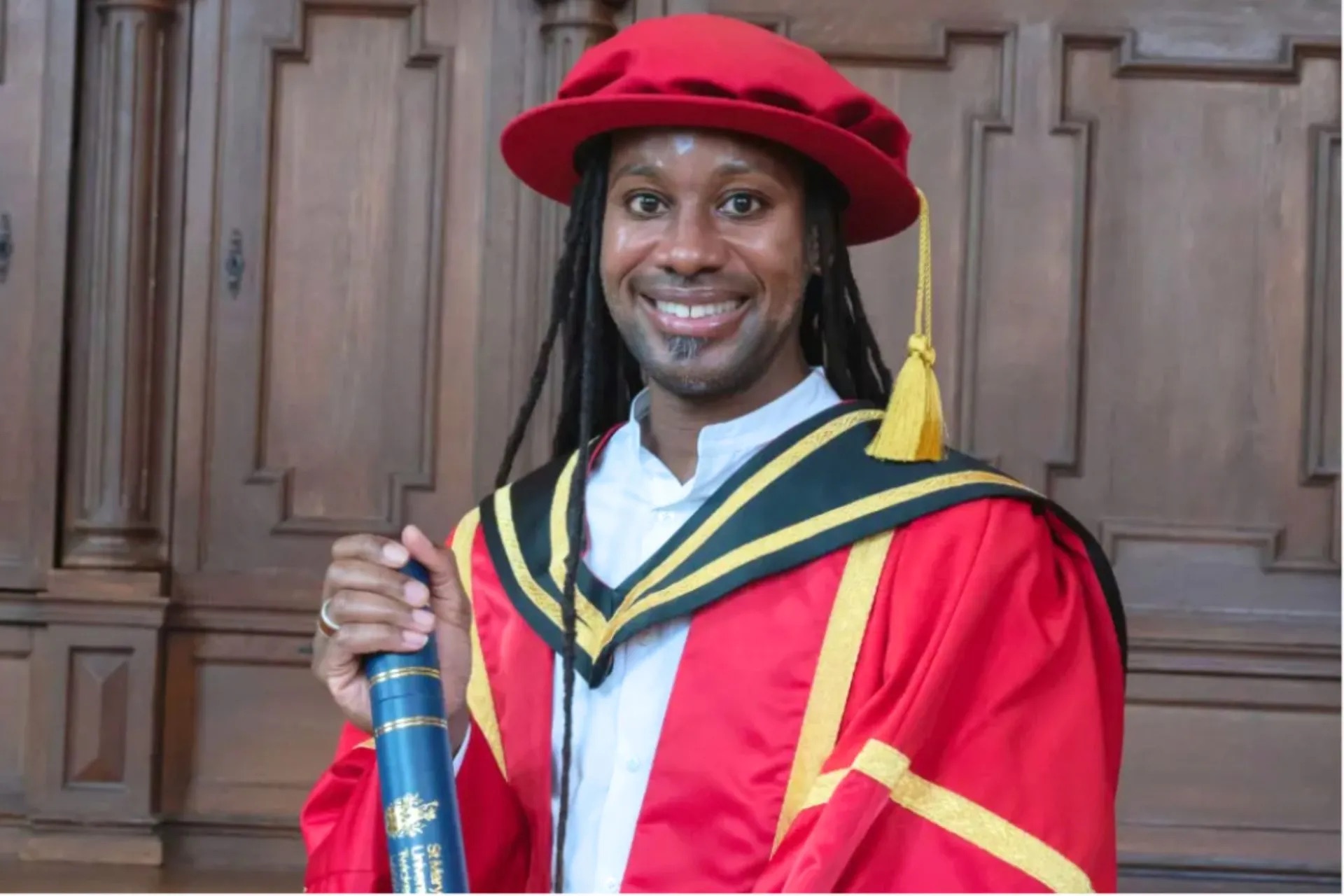
Trust in higher-education institutions in the United States started to drop after 2015, especially among Republican voters, and has not recovered. This was the prelude to separate crackdowns by Ron DeSantis and Donald Trump on DEI in universities. Will a similar drop in trust happen in Britain? If so, the Jason Arday case may prove the turning point.
The British public has long held high trust in academics and scientists, as opposed to journalists, of whom they have consistently been suspicious. Between 1983 and 2025, Ipsos has found that the proportion of Britons trusting professors to “tell the truth” has never fallen below 70%. In 2025, the most recent year available, 82% of the British public trusted professors compared with just 26% who trusted journalists.
Right-wing Brits are surprisingly trusting of professors, even though academics with Left-wing beliefs outnumber those on the Right 6:1, rising to 9:1 in the social sciences and humanities. This is more trusting than in other Anglosphere societies: in 2022, 66% of Conservative and Reform UK voters in Britain trusted social science and humanities (SSH) academics. This compares with just 34% of US Republican voters in 2023 and 60% of Tory/PPC voters in Canada in 2024 who trusted SSH professors.
However, the case of Arday — the former Cambridge academic accused of plagiarism and research falsification who was found dead last Friday — appears to have opened a crack in Right-wing Britons’ trust in academia. A survey I conducted of nearly 600 British adults on the Prolific platform on Monday showed that trust in universities (64%) and SSH professors (68%) among the whole population is respectable. However, those numbers fall to 47% and 57%, respectively, among those who vote for Right-wing parties. I also asked about respondents’ awareness of the Arday case. A third were “extremely” or “very” familiar with it, and just over a third were not familiar.
| Has the Jason Arday case damaged trust in UK universities? |
| Percentage of Right-wing who trust universities, by awareness of the Arday case |
 |
What is fascinating is that Reform and Tory voters who are aware of the Arday story are dramatically less trusting of universities than Reform/Tory voters who are not aware of the story. The figure above shows that just one in three Reform/Tory voters who are very familiar with the case say they trust universities. In contrast, among Reform/Tory voters who are not aware of the story, 60% trust universities.
A second interesting wrinkle is that awareness of the Arday case had no similar effect among Labour, Liberal Democrat and Green voters. Awareness of the case is not associated with Left-leaning voters’ trust in universities or SSH professors. Reform and Tory voters who are aware of the Arday story may be more likely to consume Right-wing media content, making them already skeptical of universities. This, rather than the effect of the plagiarism scandal, could explain their lower trust.
But such a counter-argument must contend with the apparent decline in Right-wing voters’ trust in SSH professors over time. I asked whether voters trusted academic institutions in both 2022 and 2026. In 2022, 66% of Right-wing voters trusted social science and humanities professors. In this survey, just 57% did — a nine-point decline. In combination with the graph, this suggests that the Arday saga has had a real effect on conservative opinion. While the ivory tower has been operating at a distance from politics, insulating its activism from public opinion, the Arday case may have captured enough public attention to awaken conservative mistrust among conservatives who ordinarily pay little attention to academia.
In the past, scandals such as cancel culture at American universities or the subprime mortgage crisis for banks have led to decisive and enduring drops in public trust in institutions. If this occurs for British universities, it could generate the political capital for a Reform/Tory government to adopt a more assertive approach toward the sector, as the Trump administration has done. The Arday affair, then, could spell the beginning of the end of DEI dominance in British academia.
Eric Kaufmann is Professor of Politics at the University of Buckingham and author of Taboo: How Making Race Sacred Led to a Cultural Revolution (Forum Press, 4 July).
 epkaufm