







 Prefer us on Google

August 16 2026 - 7:00pm
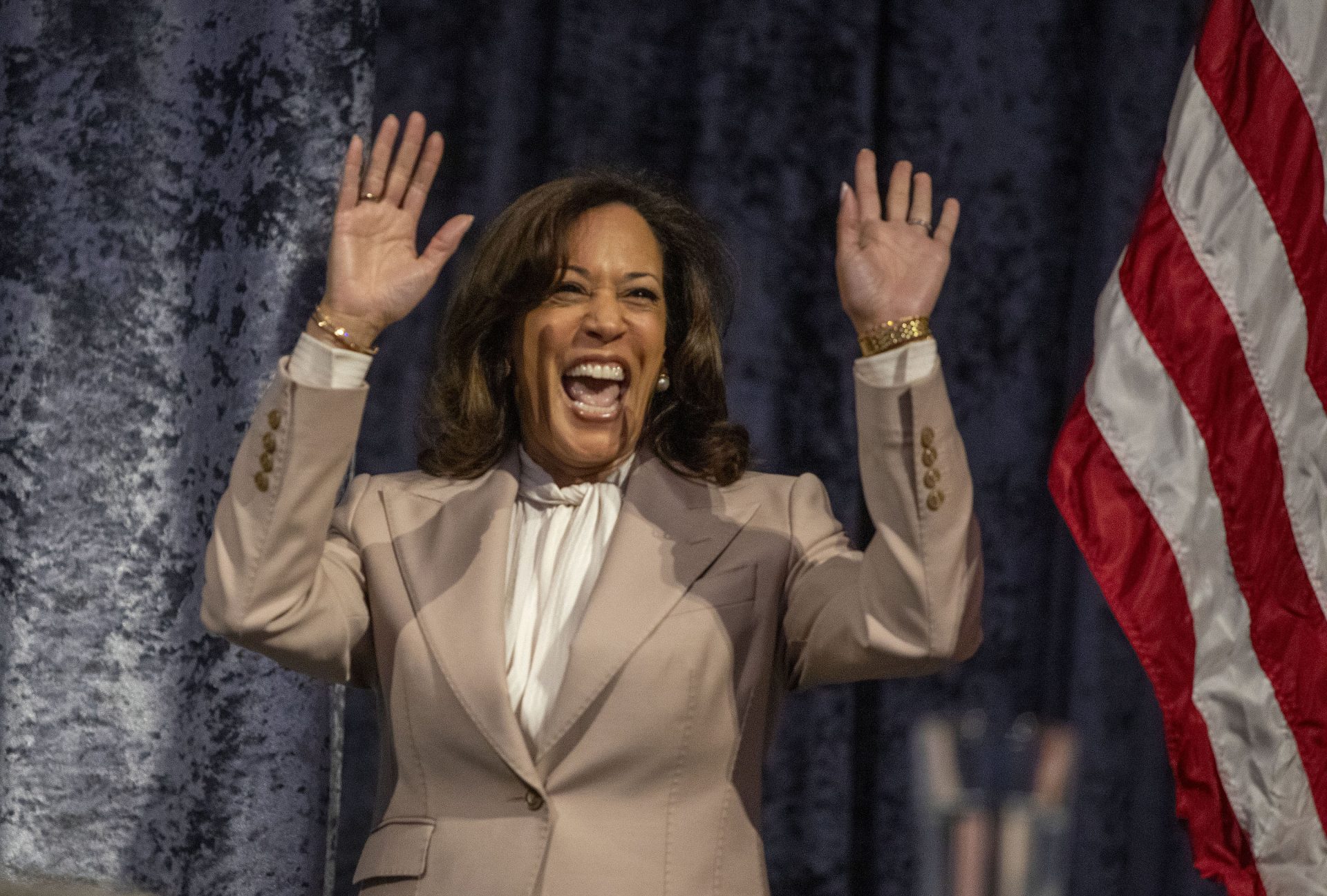
Despite her humiliating 2024 loss to Donald Trump, Kamala Harris is reportedly presumptuous enough to think that she could win the Democratic Party nomination again in 2028. News from Alaska, however, might have punctured her steely lack of self-awareness.
The US Democratic Senate candidate for Alaska, Mary Peltola, rejected an unsolicited endorsement and pledge for fundraising support from Harris, making it clear that in her state — where Harris lost by 14 points — a relationship with the former vice president is far from an asset. Instead, it’s a cause for suspicion in Alaska, a unique cultural territory famous for its independent, albeit center-Right, politics.
Peltola said that she would prefer to focus on her own state, rather than “endorsements from anyone from the Lower 48″. In light of Alaska’s reliably red profile, it is a wise choice, but there is more to it than that. In fact, Peltola’s brutal rejection of Harris is a reflection of rising anti-establishment anger toward both parties.
Voters are becoming increasingly contemptuous of the machine-driven uniformity of the Democrats and Republicans. In order to gain credibility, a candidate must therefore appear independent of the “brand” of the party. That’s why we are witnessing the rise of Democrats “in name only” and independents who “Democrats love” across the country. Harris, however, undermines any attempt to cultivate an independent identity. She is a failed representative for an organization with deteriorating fortunes, a sales consultant who couldn’t close the deal.
After living through what they perceive as the disasters of the duopoly, many Americans are now like customers who prefer to patronize small, “mom-and-pop” businesses. Harris, meanwhile, is the equivalent of a corporate logo, a walking and talking McDonald’s arch or Coca-Cola sign. If you are Mary Peltola, or any other political entrepreneur, trying to attract customers to your artisanal shop, you don’t want to wreck your brand by announcing a partnership with Walmart.
A few rare figures, such as Barack Obama, transcend this new dynamic. Hence Haley Stevens, the failed Democratic Senate primary candidate in Michigan, repeatedly touted her proximity to the former president. But it is still largely the case that holding hands and skipping down the street with a national politician causes most people to question exactly who the candidate seeks to serve: the general public or the big party?
Democrats may be expected to do quite well in the midterms. But their success will depend upon candidates’ ability to distance themselves from the party identification that is next to their name on the ballot. After Donald Trump makes his long overdue exit from national politics, Republicans are likely to find themselves in the same precarious position. Nearly half of Americans, the highest proportion in over a decade, now identify as independent. Even if they lean in one ideological direction, they refuse to overtly align with either major party.
It was once the case that standing alongside a well-known politician gave an unknown candidate a boost. Now, it merely places them in the dank shadow of mediocrity.