









Nov 12 2026 - 8:00pm
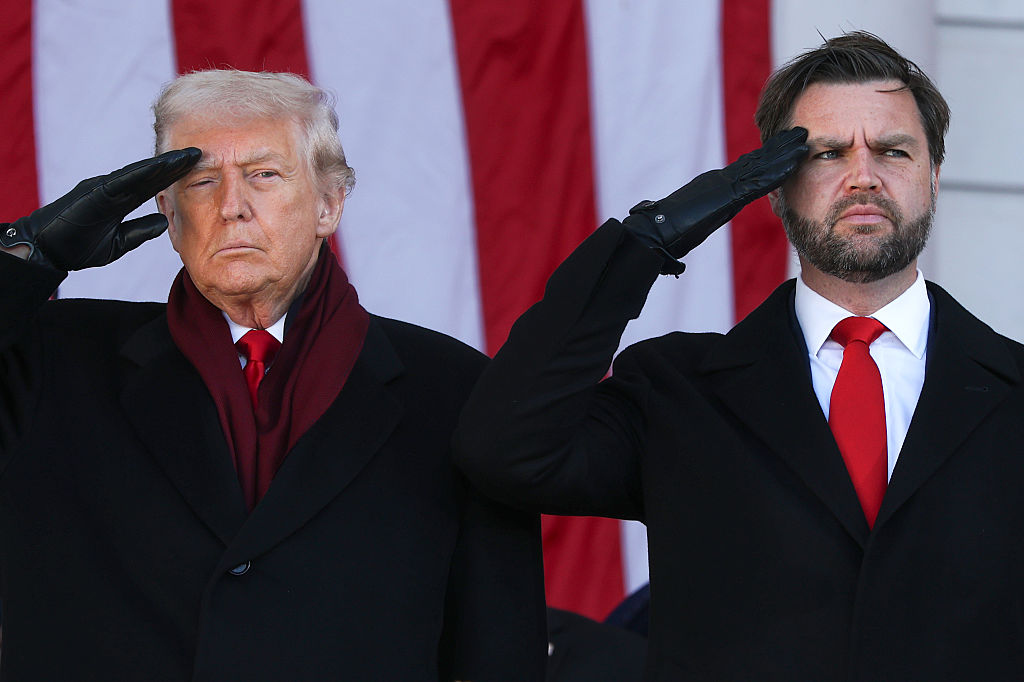
Donald Trump on Thursday pulled JD Vance off the Iran file, directing the vice president to instead focus on “the massive corruption and crime taking place in Democrat [sic]-run cities and states.”
In doing so, Trump has rendered Vance’s path to the 2028 GOP nomination that much more challenging. Indeed, it’s almost like the president wants to dash his most likely successor’s chances.
Washington’s worst-kept secret, spread through numerous on-background stories, has been that Vance was skeptical of the Iran war, fearing it would descend into a quagmire and prove unpopular with voters. He’s been vindicated on both counts, yet vindication is bittersweet. As one senior Vance World figure told me in the early days of the war, the second Trump administration had so thoroughly rewarded the Middle East hawks — at the expense of every other faction in the Right’s coalition — that Vance’s path to the presidency in 2028 appeared closed, forcing the vice president to look instead to 2032 or beyond.
Vance’s sole consolation was that he could lead the negotiations that would bring the war to a close. If he succeeded, his message to voters could have been something along the lines of: I didn’t support this war, but once it got going, I did all in my power to bring it to a speedy end. Sure enough, Vance took charge of the Islamabad and Switzerland talks (I accompanied him on the latter as a reporter and interviewed him for UnHerd aboard Air Force Two).
While those talks ultimately failed to produce a lasting deal, Vance has continued to press for a negotiated resolution behind the scenes over the past few weeks. It was tough going, with the Iranians demanding not just sanctions relief and the unfreezing of Tehran’s assets. They also wanted, in effect, recognition of their newfound power over the Strait of Hormuz and their status as a regional counterpole to Israel.
Now, even that diplomatic opening appears to have been slammed shut by Trump, who seems convinced that his devastating blockade of the Iranian economy will eventually force the regime either to collapse or to capitulate. Yet the Islamic Republic has proved far more resilient than Team Trump anticipated, and a breakdown in negotiations could prompt Tehran to seize the military initiative. That might mean attacks on Gulf Cooperation Council states or other US allies and interests, further deepening the energy crisis and fueling the global inflationary spiral.
So why is Trump doing this?
It could be that this is a negotiating tactic. Knowing the Iranians view Vance as a reasonable interlocutor, Trump may be trying to suggest that no reprieve or further concession is incoming. The more likely possibility, however, is that Trump is simply determined to “win” the war (whatever that means now) and thus to shore up his own legacy — without regard for what this course of action implies for his vice president and sort-of designated heir.
It also can’t be ruled out that the president harbors a semiconscious wish that no one can or should succeed him at the head of the MAGA column — a danger Vance likely contemplated when he first resolved to join Trump’s 2024 ticket.
Either way, Vance now occupies perhaps the most unenviable position in American politics. The administration he serves is prosecuting a war he opposes and holds responsible for the GOP’s electoral doldrums, yet his hands are tied when it comes to diplomacy. Instead, he is expected to root out Democratic graft at a moment when many Americans regard Trump and the Republicans as the far more corrupt party.
Does Vance have any options? Yes, but none that would spare him a bruising, potentially career-ending confrontation with Trump.
Sohrab Ahmari is the US editor of UnHerd. His next book, on The Triumph of Normal, is forthcoming from HarperCollins.
 SohrabAhmari