









March 12 2026 - 10:00am
Since returning to the White House 14 months ago, Donald Trump has made ending the war in Ukraine a priority. His ability to pressure Russian President Vladimir Putin into accepting a deal has always been limited. But Trump has benefited throughout from the power to make continued fighting increasingly costly for Russia, including through punitive economic sanctions, military aid to Ukraine, and geopolitical moves aimed at diluting Moscow’s regional influence.
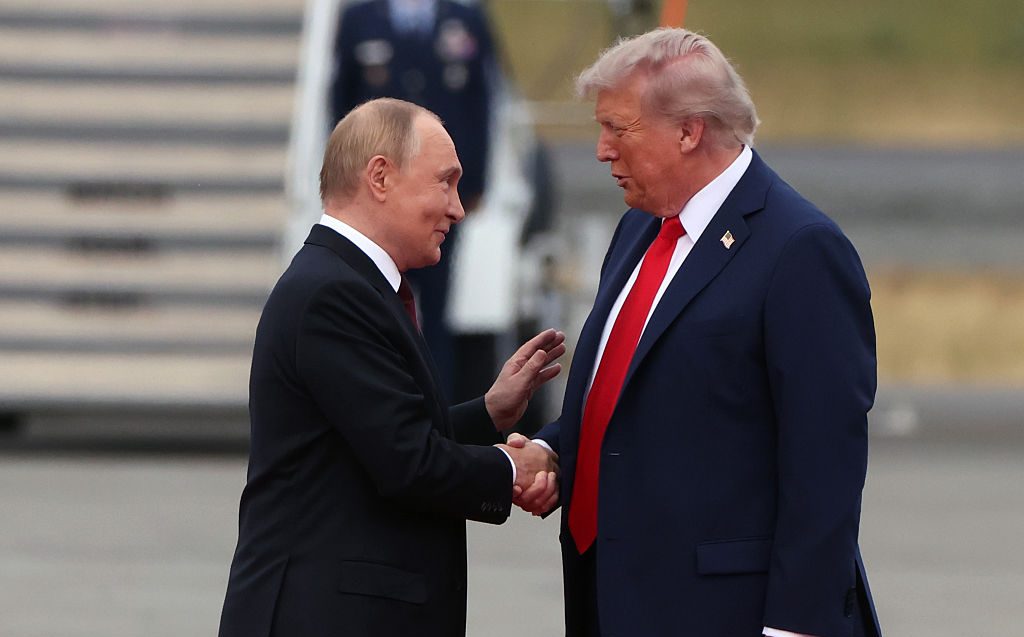
After dragging the United States into a costly and unnecessary conflict with Iran, however, Trump has sacrificed any leverage he had over his Russian counterpart — military, political, or economic. The Kremlin has expressed renewed distrust of the White House in the wake of the strikes; and when the two leaders spoke over the phone on Monday, Putin for the first time had the clear upper hand. When negotiations aimed at achieving a ceasefire in Ukraine resume, Russia will have the decisive advantage.
Trump’s most effective cudgel against Russia’s war effort has long been an economic one. Though his administration initially resisted calls to step up sanctions on Russia, in late October, he changed course, placing new, far-reaching restrictions on Russia’s largest oil companies. Washington also urged partners, including India, to reduce their purchases of Russian oil and increase interceptions of Russia’s shadow fleet across the globe.
Though economic pressure is unlikely on its own to convince Putin to stop the war, US sanctions did manage to shrink Russian oil revenues. They also prompted discussion in the Kremlin about making structural changes to the economy in order to sustain necessary war funding.
The start of the conflict in Iran has reversed Russia’s economic outlook. With oil tanker traffic through the Strait of Hormuz effectively stopped, not only is Russian oil back in high demand but the prices have surged. America is now encouraging India to purchase Russian oil; after talking with Putin, Trump referenced plans to further relax oil sanctions on Moscow to increase supply. The US President is nervously eyeing rising gas costs and their effect on his domestic affordability agenda.
His administration’s expansive campaign against Iran is also weakening Washington’s military leverage. While fighting in the Middle East remains ongoing, weapons deliveries to Ukraine are likely to slow or stop, as the needs of US military forces take precedence. Kyiv does have its own defense industry, so the loss of US support will not force a surrender. But it will make holding Ukraine’s battlefield positions even harder. Additionally, the loss of air defense interceptors will leave the country’s infrastructure vulnerable, interfering with both economic and military production.
Washington will also lose the ability to play other military cards, which might help Ukraine. The promise of Tomahawk missiles was always a bluff, but now it is a clearly non-credible one, as the US has burned through these missiles rapidly in Iran, depleting stockpiles. America must also think more carefully about its intelligence-sharing with Ukraine, in light of reports that Russia is offering Iran intelligence on US targets in the Gulf. The White House has played down these claims, hoping to avoid escalation.
America’s ability to exploit Russia’s geopolitical distraction is more limited now than it was just two weeks ago. While Putin has been focused on his war in Ukraine, the Trump administration has intensified its outreach to long-time Russian partners such as Armenia and states in Central Asia and the Middle East.
Now, though, the White House is dealing with its own military quagmire, and may soon find it has less time to invest in diplomatic initiatives elsewhere. Putin has already seized on US mistakes, reviving and strengthening relations with the Gulf states by acting as an intermediary in efforts to de-escalate the Iran crisis. As Trump looks for off-ramps as well, he may find himself increasingly dependent on Putin acting as a peacemaker.
When it comes to foreign policy, Trump prides himself on never taking options off the table. In this case, however, he has ignored his own advice, limiting how his administration can respond. Unfortunately, it is Ukrainians who will pay the price, forced to face a longer war increasingly on their own.
 jekavanagh