








March 29 2026 - 5:00pm
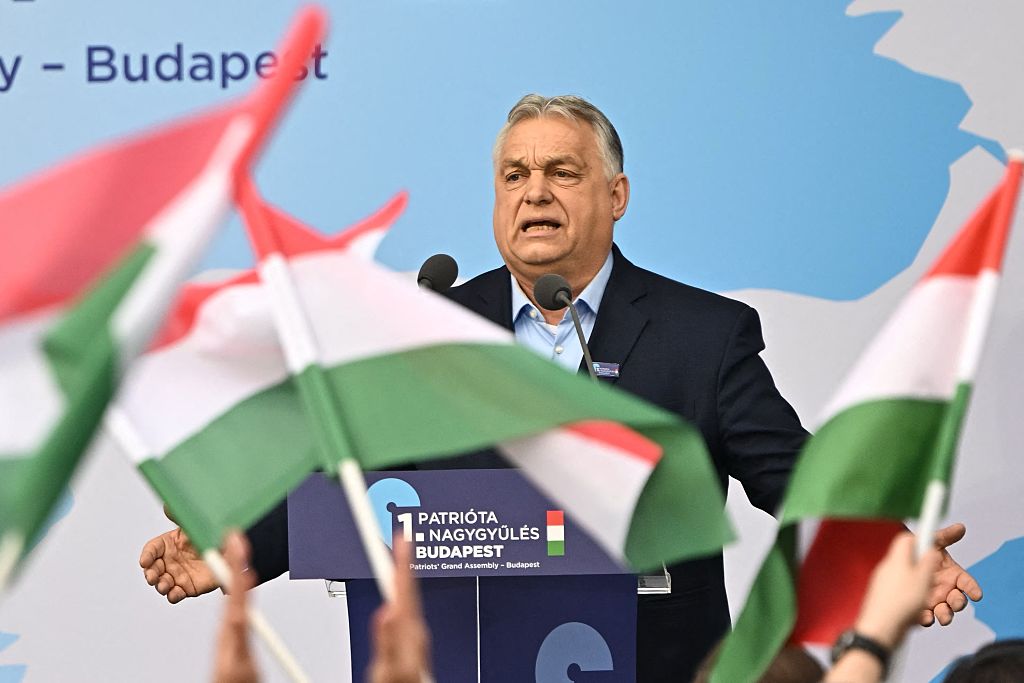
Accusations of espionage, treason and fraud traded between Viktor Orbán’s Fidesz party and the opposition Tisza Party led by Péter Magyar have plunged Hungary into chaos ahead of elections on 12 April. Amid a flurry of astonishing allegations, one thing is clear: neither side views the other as legitimate, and each is busy arming itself with potential justifications for rejecting an unfavorable outcome in two weeks’ time.
The latest in a remarkable series of tit-for-tat accusations was a film by a group of Hungarian reporters, posted on Thursday evening, purporting to show evidence of industrial-scale vote-buying, coercion and intimidation by Fidesz among the ruling party’s core rural support base. The film incorporates interviews with villagers as well as supposed anonymous former insiders, who claim that not supporting Fidesz — or rejecting offers to vote for the party in exchange for cash (or, in other cases, drugs) — leads to those in dire financial circumstances being penalized by local authorities.
Such disturbing allegations, true or false, would shake most democracies to their core, but not in Hungary, where these kinds of hair-raising tales have become the media’s daily bread on both sides of the political divide. Just this week, there have been stories of foreign intelligence interference by both Russia and Ukraine. On Thursday, Orbán declared that Hungary has become “an operational field for Ukrainian intelligence services”, after the government identified two IT professionals working for Magyar as supposed Ukrainian spies. The opposition rejects the allegations and says these individuals were themselves the subjects of a shady attempt by a third anonymous actor to infiltrate Tisza.
Amidst this chaos, Magyar has, remarkably, managed to emerge unscathed. He gives as good as he gets, accusing Foreign Minister Péter Szijjártó of treason for alleged collusion with Russia and threatening him with “a potential life sentence” if brought to trial under a new regime. What Magyar has termed the “road to jail” for Fidesz officials would include a purge of Fidesz-aligned elites throughout public life identified as having propped up Orbán’s regime.
Of course, this hardly provides much of an incentive for Orbán and his allies to meekly hand over the reins of power in the event of defeat at the polls. In truth, both sides appear to be past the point of trying to persuade undecided voters; they are simply intent upon tarring their opponents with as much filth as possible, giving themselves justification, in the eyes of their own supporters, for denying the legitimacy of a defeat. Each condemns the other as treasonous; each claims the other is fraudulent. Only one thing is clear: the storm and stress of Hungary’s bitter election is unlikely to quietly subside once the results are tallied up.
The immediate-term implications are alarming. If Fidesz does hold on to power, by fair means or foul, there is every chance of unrest on the streets. In any case, the next government — whichever side wins — will face a polarized public, half of which will view its power as not just bad for Hungary, but ill-gained.
EU leaders will, for various ideological and practical reasons (most notably Orbán’s vociferously anti-Ukraine stance), be quietly praying for a Magyar victory. Still, the “rule of law” issues which have dogged the Hungarian PM’s relationship with Brussels would not magically vanish under a new regime. Reforms may be thwarted by an Orbán-aligned establishment, while the potential for Magyar’s promised prosecution of that establishment to turn into a political witch hunt could itself pose a democratic threat of a different nature.
Orbán’s campaign slogan is “The Safe Choice”, but Hungarians increasingly appear to be faced with a choice between two competing visions of chaos.
Join the discussion
Join like minded readers that support our journalism by becoming a paid subscriber
To join the discussion in the comments, become a paid subscriber.
Join like minded readers that support our journalism, read unlimited articles and enjoy other subscriber-only benefits.
Subscribe