








March 4 2026 - 5:10pm
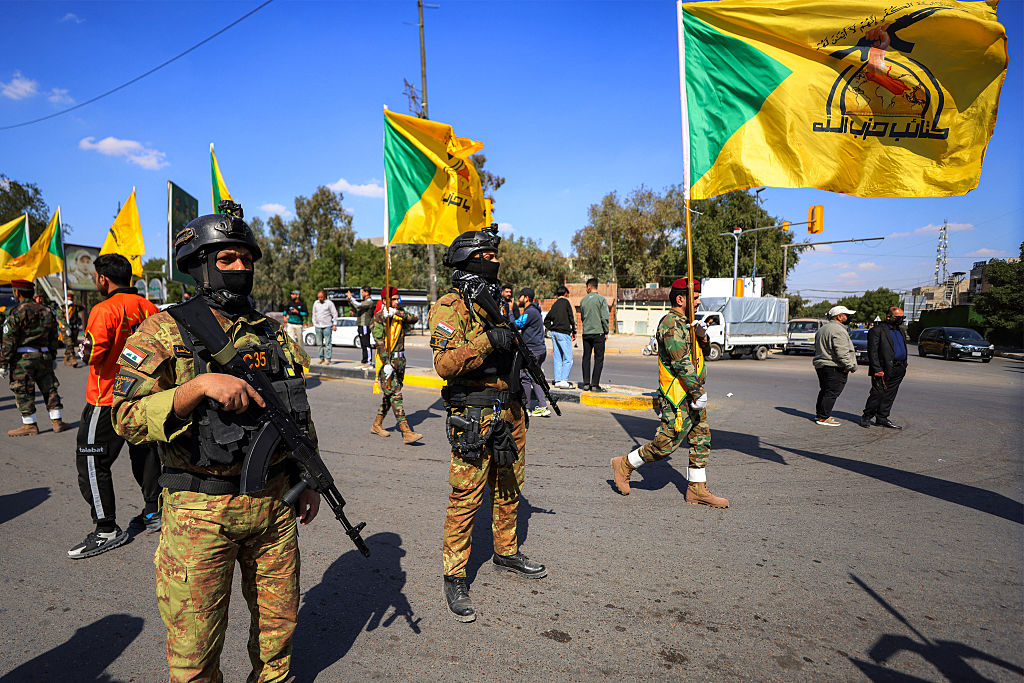
When Hezbollah fired rockets into Israel on Sunday, Tel Aviv did not treat the barrage as routine escalation. Instead, it responded with its own significant military operation. Within hours, Israel launched a broad air campaign targeting Hezbollah positions in southern Lebanon and Beirut’s Dahieh district. By Tuesday, Israeli ground forces had advanced into parts of southern Lebanon.
Hezbollah’s close alignment with Tehran has long been framed as a strategic calculation that Iran’s regional influence would serve as a deterrent. That assumption faces new strain at moments when Iran itself appears exposed or constrained.
Yet that dependence was always precarious. Hezbollah’s dual role as Lebanese political party and Iranian proxy created constant tension, especially when Tehran’s agenda clashed with Lebanese interests. The 2024–25 war further eroded Lebanese public support, particularly against the backdrop of the country’s economic collapse. Now the Lebanese government is following suit.
Israel’s response is not framed solely as retaliation; rather, it reflects an effort to capitalize on what it views as Hezbollah’s strategic miscalculation. Beirut likely believed that Israel — already locked in a major war with Iran — would be overstretched and reluctant to open a second front. Instead, Israel seized the moment to degrade Hezbollah’s infrastructure while Iran was distracted. Benjamin Netanyahu wants to decimate the Islamist group’s capabilities, financial networks, and operational freedom along the northern border.
The Lebanese group is also worried about the risk of strikes from anti-Hezbollah elements in Syria. Its ruthless intervention on behalf of Bashar al-Assad during the Syrian Civil War created enemies who may now seek to exploit the group’s vulnerability and strike while it is weakened. By intervening in the war, Hezbollah showed willingness to sacrifice local legitimacy and its own rebuilding efforts for Iranian strategic goals; now its enemies sense opportunity.
Hezbollah was once the crown jewel in Iran’s deterrence strategy — the most capable, disciplined and politically entrenched of its allies. Yet it now faces an uncertain future. If even this Islamist group can be weakened and isolated, the credibility of Iran’s entire proxy model is called into question. Iranian-backed militias have withdrawn from Syria after the fall of Assad, militias in Iraq are in confrontation with American forces, and the Houthis are slowly separating from Tehran.
Hezbollah’s fatal loyalty to the regime wasn’t just tactical folly: it could be the death knell for Iran’s “Axis of Resistance”. The era of Iranian shadow power in the Middle East may be ending.
Dr Limor Simhony Philpott is a writer and researcher focusing on antisemitism, extremism and defence.
 limorsimhony
Join the discussion
Join like minded readers that support our journalism by becoming a paid subscriber
To join the discussion in the comments, become a paid subscriber.
Join like minded readers that support our journalism, read unlimited articles and enjoy other subscriber-only benefits.
Subscribe