









Nov 17 2026 - 12:45pm
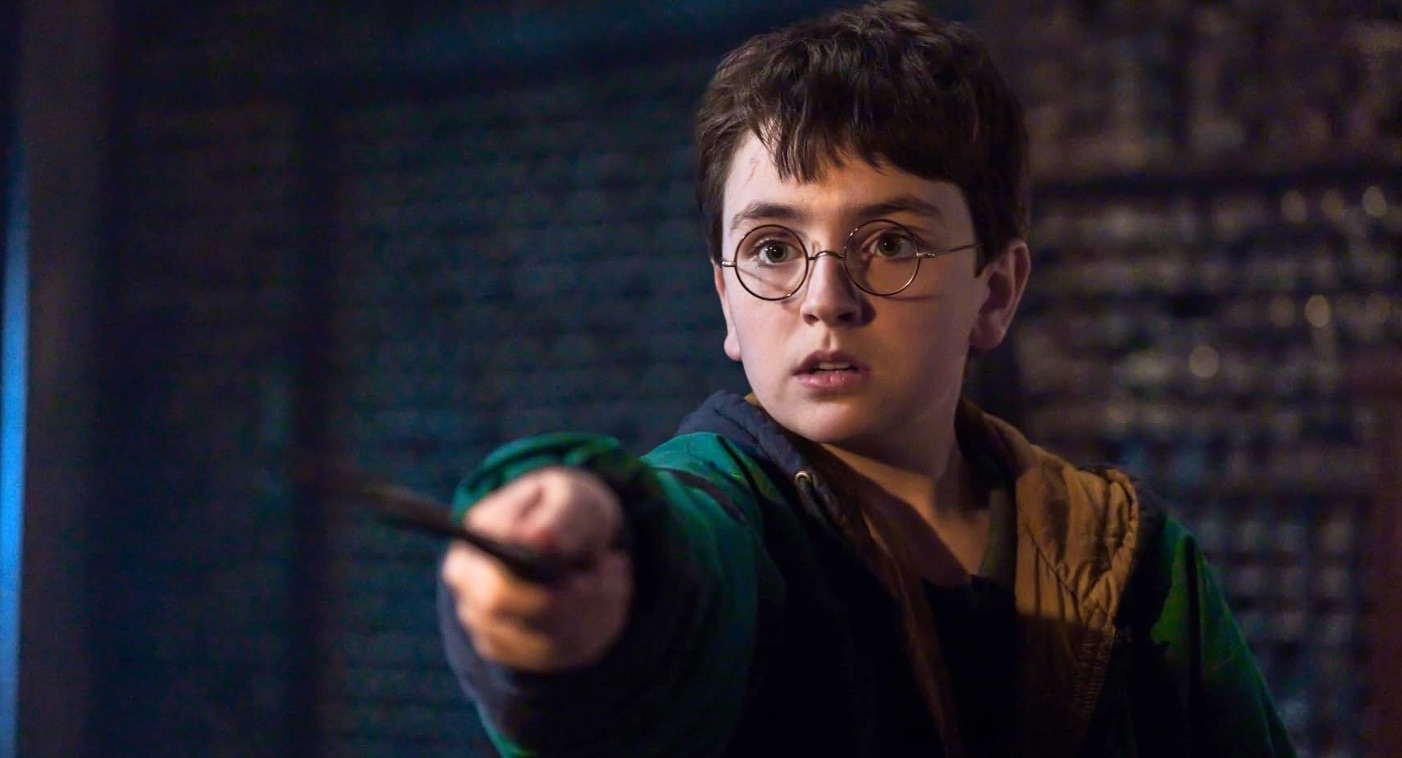
A quarter of a century since the first Harry Potter film, which hit British cinemas in November 2001, the world is preparing itself for a new adaptation of J.K. Rowling’s astonishingly successful series. Over the weekend, the first extended clip from the upcoming HBO series was released, a minute-and-a-half of Harry’s first Hogwarts feast, and it was strikingly lackluster. The main problem was the color palette. It wasn’t as bad as Game Of Thrones, but it was nowhere near the vibrant, warm golds of Chris Columbus’s Philosopher’s Stone film. There was a distinctly cold and austere feel, when the whole point of the scene should be its wondrous coziness.
Comparisons with the original films are inevitable, and many fans online have pointed out other ways in which the HBO clip falls short of the film. The plates of food, which appear by magic, are much more sparsely filled, and lack the appetizing glow with which Columbus’s effects team imbued them. The camera angles and filming style used in the new clip are also unimaginative and flat. Many of the young actors appear to have the Multicultural London English (MLE) accent, even though the film is set in the early Nineties when those speech patterns had barely begun their inexorable spread.
The dialogue between Professors Dumbledore and McGonagall also lacks the requisite poetic resonance. It seems entirely possible that HBO has managed to achieve the worst of both worlds: mimicking too closely the overall aesthetics and style of the original films, and doing so in a disappointing way. Obviously this is just one clip, from a show which will have multiple episodes to unfold the story, and to do justice to the detail of the books and their characters in a way that the films did not always manage. But it is concerning that a scene which should be a triumph of colorful conviviality has been rendered in such a derivative and dull way.
HBO’s series will quite likely still be a success. Rowling’s alleged toxicity is a bugbear for activists but not for the majority of viewers, and the Potterverse remains a huge money-spinner. For instance, the attempted boycott of the Hogwarts Legacy computer game three years ago proved a damp squib.
One temptation the producers must resist, to avoid alienating fans, is the fad for clumsily updating and reimagining existing intellectual properties to incorporate modern dogmas. From Star Wars to Middle Earth via the MCU and Doctor Who, viewers have been subjected to preachy and absurd storylines, undermining established “lore” and basic physical reality in pursuit of egalitarian messaging. In the case of Harry Potter, the much-discussed casting of a black actor, Paapa Essiedu, as Severus Snape suggests that HBO might not have thought through how color-blind casting can affect storytelling. Snape is a victim of bullying and ostracism as a schoolboy, and Harry takes an instant dislike to him as soon as they meet. This obviously takes on additional complex resonances with a black man in the role.
However the series turns out, there is not long to wait now before its Christmas debut. Perhaps the skeptics are wrong, and the most popular children’s book series of all time is in good hands. The current signs, however, are very mixed.
