








January 6 2026 - 7:00am
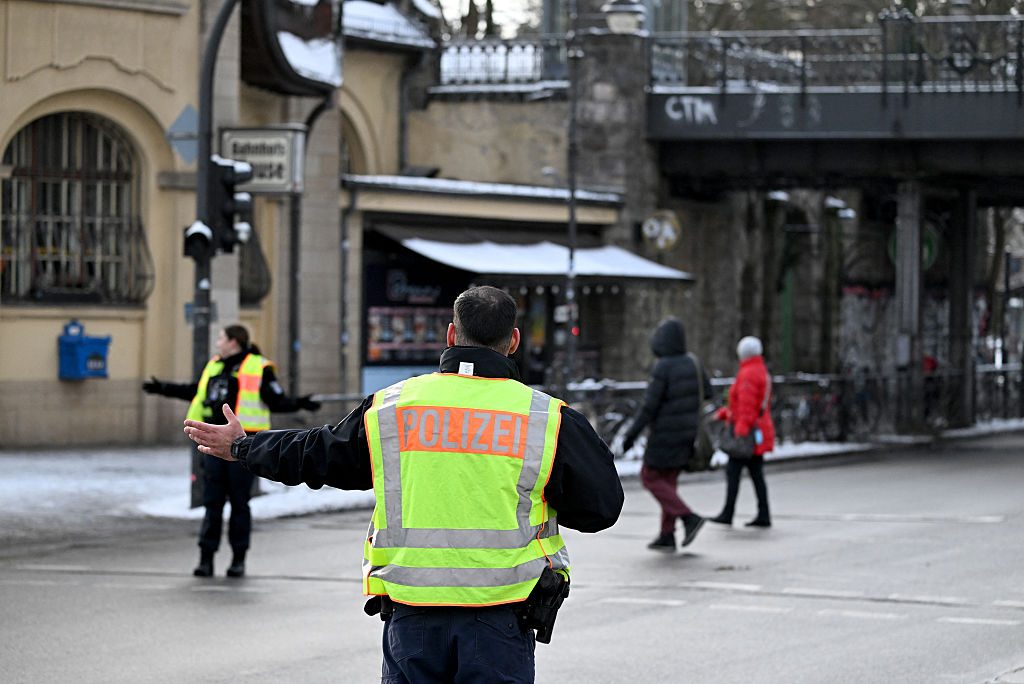
“At first, it was an adventure. Now, the cold has arrived, and police are patrolling the area.” That’s how one Berliner described what life has been like without electricity since Saturday; on Monday night, temperatures dipped to -7°C. At the weekend, an arson attack on the grid which supplies some of the wealthiest districts of the German capital cut power to around 45,000 people and over 2,200 businesses. Left-wing militants have claimed responsibility, yet public responses have been remarkably muted. The authorities would do well to shift gear, given that the disruptive effects of such incidents extend far beyond those directly affected. Germany should start taking Left-wing terror as seriously as it does threats from the Right.
Far-Left extremists of the so-called Vulkangruppe, or Volcano Group, issued a statement claiming responsibility for an attack intended to “cut the juice to the ruling class”. Merging eco-terrorism with class war and technophobia, it said it was fighting a “greed for energy” that was exacerbated by advances in AI and data processing centers.
The culprits had no scruples about the fact that their target area included several care homes. Some vulnerable elderly people were evacuated to sports halls. Critics felt that Berlin Mayor Kai Wegner, from the conservative Christian Democratic Union, didn’t show much empathy or resolve. Initially, he had lamely condemned the incident as “unacceptable”, while not appearing in public for a whole day. When he finally turned up at one of the emergency shelters, Berliners vented their frustration. “What’s going on in this city?” one man demanded.
It’s a fair question. Since 2011, arson attacks on critical infrastructure have increased in and around Berlin. The Volcano Group – named after the 2010 eruptions of the Icelandic Eyjafjallajökull volcano, which severely disrupted air travel for a time – alone has claimed responsibility for several major incidents. These have ranged from setting fire to a cable bridge in 2011, to severely disrupting public transport in Berlin, to cutting off power to the Tesla factory outside the capital in March 2024. In this case, too, several households and a hospital were affected.
Authorities admit they don’t know the exact number of incidents, nor the scale of the networks involved. Extremism expert Hendrik Hansen told the German media that this is because politics had focused “very one-sidedly on Right-wing extremism, thereby neglecting Islamism and Left-wing extremism”. He bemoaned that, in the capital in particular, “radical criticism of power” is commonplace, which shelters extremists, and that this was also a message exuded by “some political parties in Berlin”.
The politically active part of the public plays a role, too. It is telling that this time last year, tens of thousands of Berliners took to the streets to protest the rise of Alternative für Deutschland (AfD). Yet, even though the current power cut has been called a “terror attack” by the authorities and domestic intelligence, and was claimed by an extremist group on the Left, it doesn’t move activists and politicians in the same way.
Left-wing terrorism has also long enjoyed sympathetic coverage in parts of the media. Der Spiegel, Germany’s foremost political magazine, conducted an interview with a radical climate activist in 2021, in which he threatened that “those who hinder climate protection, create a green Red Army Faction”, referring to the far-Left militant group active mostly in the Seventies and Eighties which killed at least 33 people and conducted nearly 300 bomb attacks. The Left-wing Berlin-based newspaper TAZ nonetheless claimed in 2022 that “eco-terrorism is a fiction” peddled by the Right.
The narrative that Left-wing and eco-terrorism are somehow less serious has been pervasive for so long that the German authorities have neglected the threat they pose to social and political stability. Such incidents fuel the already widespread sentiment that things once taken for granted — power supply, the rule of law, public transport — are being attacked, and that the political mainstream is either incapable or unwilling to do much about it.
It’s time Berlin woke up to the danger of Left-wing terrorism. In those long, cold nights without power, it’s staring it in the face.
Katja Hoyer is a German-British historian and writer. Her latest book Weimar: Life on the Edge of Catastrophe will be released in May 2026.
 hoyer_kat
Join the discussion
Join like minded readers that support our journalism by becoming a paid subscriber
To join the discussion in the comments, become a paid subscriber.
Join like minded readers that support our journalism, read unlimited articles and enjoy other subscriber-only benefits.
Subscribe