









July 28 2026 - 10:00am
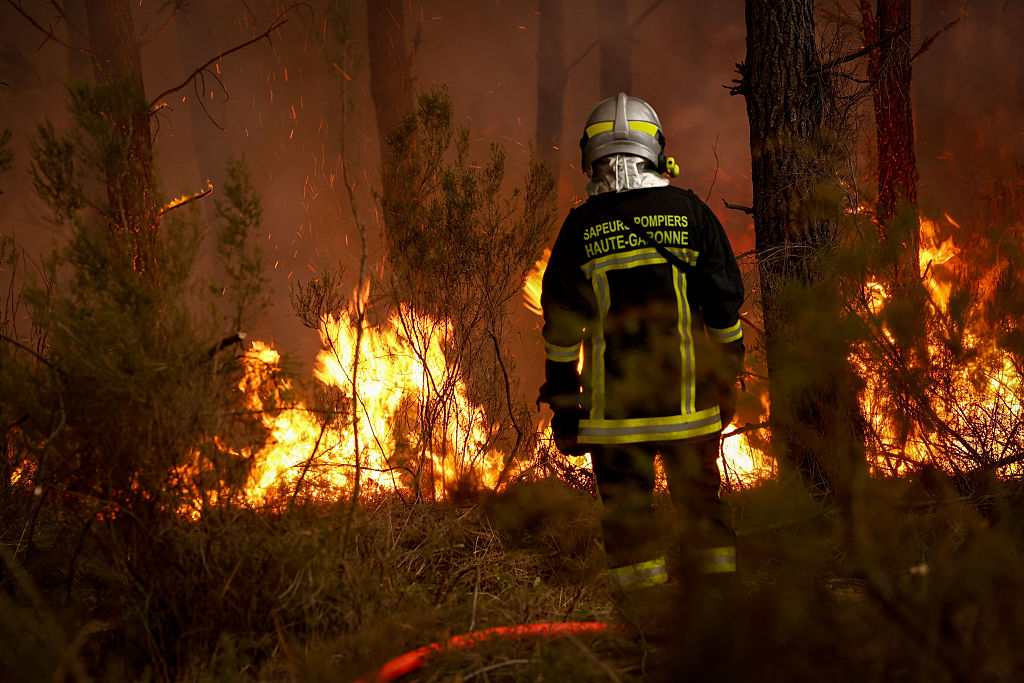
As wildfires have swept through western Europe this month, narratives around the politics of climate change have become more pertinent. Spanish Prime Minister Pedro Sánchez argued last week that his country is suffering the effects of the climate crisis, and responded by declaring a national emergency to release recovery funds. In France, the Gironde fires forced mass evacuations near Bordeaux, while President Emmanuel Macron requested help through the EU Civil Protection Mechanism. It seems the expected political response to this wildfire season will be more climate spending, tighter environmental protections and stronger European Union oversight. At the same time, however, there is a growing argument that, far from increasing safety, environmental bureaucracy has made European forests more dangerous.
In Spain, where the government has consistently stood up for green policies, the political Right has long proposed that wildfires are a problem caused not just by heatwaves and droughts but by overregulation of rural land uses. The pushback is especially strong in Catalonia, where more than 4,000 hectares have burned this summer. Rising Right-wing party Catalan Alliance has suggested that at present there are too many restrictions for landowners and farmers to graze and manage their territory before it burns.
Regional branches of Vox and the People’s Party have argued in a similar vein. In Madrid, Vox has waged just such a fight for months against the Sánchez government, gaining momentum against the backdrop of the region’s worst-ever fire last week. In June, the party demanded a national strategy to prevent fires based on forest cleaning, firebreaks and the use of extensive grazing, claiming that traditional prevention practices had been obstructed by bureaucracy, lack of incentives and excessive environmental regulation.
A look at France reveals a more technocratic version of the same conflict. The French government has been campaigning for more débroussaillement — compulsory brush clearing — because the rules are poorly understood and 90% of destroyed homes are reportedly on badly cleared land. But the National Rally has also capitalized in the fire season to press the government on the costs, legal confusion and enforcement difficulties around the new clearing obligations.
This places the fires within the context of a wider rural backlash against regulatory overhaul of landowners’ freedoms. The dispute concerns whether the current conservation policies are the most effective way to deal with the fire risks and — given the poor results thus far — why simply contributing more resources to do more of the same is a better solution than taking a traditional approach which grants increased freedom to landowners.
The reality is that around 60% of Europe’s forest land is privately owned, yet responsibility for managing it increasingly operates within a dense web of environmental rules and regional regulations. It would be a mistake to lump these debates in with “climate change negationism” or a lack of care for conservation. Mediterranean landscapes were historically managed through continuous human activity, with livestock grazing the underbrush, farmers clearing vegetation, and controlled burns reducing the amount of combustible material. Rural depopulation, together with increasingly complex regulation, has weakened many of those practices.
European agencies acknowledge that grazing, prescribed burning and deadwood management are central to wildfire prevention, while the European Commission’s 2026 wildfire strategy admits that traditional fuel-reduction practices have been underused. In this sense, climate change may have made the consequences of this situation more severe, but it has also made land management a more important political matter. A strategy of combating climate change with more regulations is clearly failing when it results in a loss of the capacity to manage the countryside. The summer wildfires may end up fanning the flames of political discontent.
Miquel Vila is a political and geopolitical risk consultant focusing on industrial strategy, critical infrastructure and global supply chains.
 miquelvilam