









July 18 2026 - 5:00pm
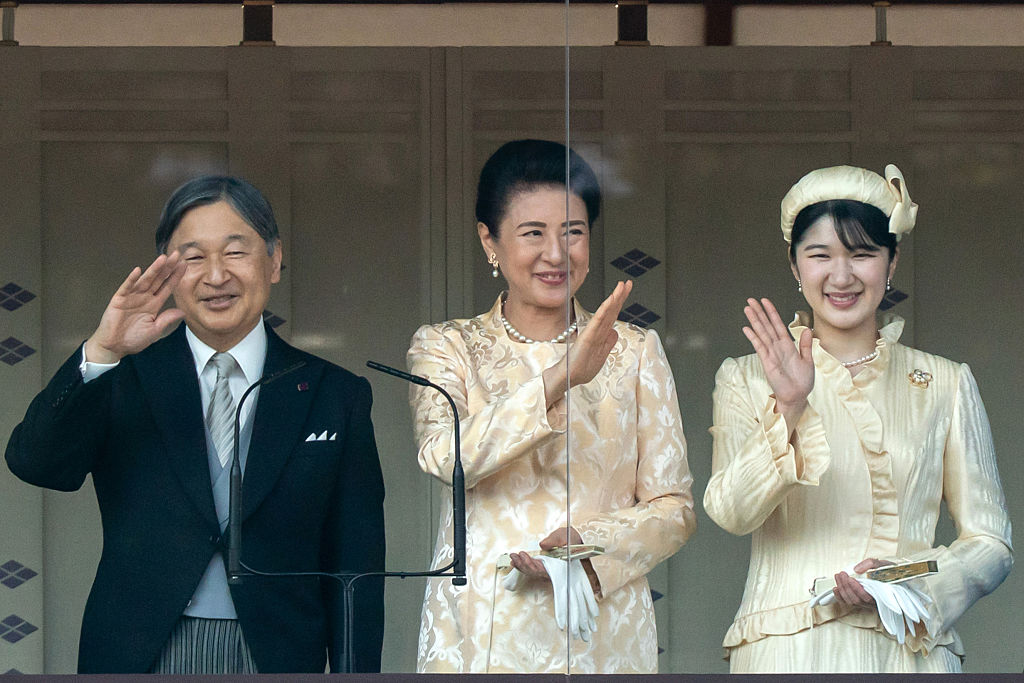
In an oddly correlative fashion, the Japanese monarchy, like the population, is shrinking, to the point where its long-term viability is now in question. There are now only 16 members of the Japanese royal household — down from 26 in 2006 — and, with the line of succession strictly patrilineal, there are only three males who could inherit the throne.
One of those is the 90-year-old Crown Prince Masahito; another, the current Emperor’s brother Prince Fumihito, is 60, leaving only Fumihito’s 19-year-old son, Prince Hisahito, as likely to produce more royals. And here is the problem: if Hisahito succeeds but has no male heir, that would be the end of the line; the at least 1500-year-old Chrysanthemum throne would be vacant and couldn’t be filled.
In response, the Japanese government has brought in a bill to overhaul the monarchy, which includes two main proposals. The first is reactivating 11 subsidiary branches of the royal family that were stripped of their status during the monarchy’s downsizing imposed by the American army of occupation after the Second World War. The second is to allow women who marry outside the family to retain royal status — at present, they become commoners. The bill passed through Japan’s upper house on Friday, paving the way for it to be signed into law pending final legal procedures.
On the face of it, this all makes sense. There are comfortably enough of the reinstated branch family members, who could be “adopted” by the Emperor and whose offspring could succeed, to secure the future of the monarchy. And not expelling female members who happen to marry non-royals seems reasonable. What’s more, there is cross-party support for the reforms and widespread backing for the monarchy among the Japanese people.
The controversy lies in what is not included in the reforms and the sense that a chance is being missed. The main objection is that the line of succession will remain male-only. This has led to backlash from some commentators, who see it as hopelessly out of step with progressive attitudes to gender equality across the globe. The case for change is strengthened by the fact that there have already been eight Japanese ruling empresses — the last in the 18th century — so the patrilineal rule has been flouted before. There is also a charming and popular female candidate already in the family in the unmarried 24-year-old Princess Aiko, who is Emperor Naruhito’s daughter.
However, there is a worry that some of the reinstated members might not be up to scratch. Who exactly are these people? It is assumed that they are now perfectly ordinary citizens: salarymen and women, housewives, perhaps low-paid manual workers. Some may have checkered histories. They may not all be suitable for the considerable demands of sudden elevation to royal life. It recalls the film King Ralph, where a Las Vegas lounge singer with tenuous royal heritage he isn’t even aware of suddenly finds himself King of England after the immediate family is all killed in an accident. He then has to undergo a crash course in royal etiquette.
There is undoubtedly something for the British royal family to learn from the Japanese family reboot. The willingness to adapt and survive while keeping politicians, the public and most of the media onside is impressive. Anxiety about the dwindling line has persisted for a long time now that this decisive action is welcome, even if for some it doesn’t go far enough.
This scenario may even be a lesson in the refusal to yield to absolute primogeniture (male or female succession). Few in Japan seem opposed to Aiko succeeding, so people are genuinely baffled about why it is being opposed.
But the family — or, more likely, the Royal Household agency that manages the family — may be sending a message. They will accept change, but only up to a point; they remain in control and will resist fashionable orthodoxies.
This latest move, then, is a show of strength. Those advising King Charles, who has recently and controversially redefined his role from “defender of the faith” to something more “inclusive”, might take note.
