









August 12 2026 - 1:00pm
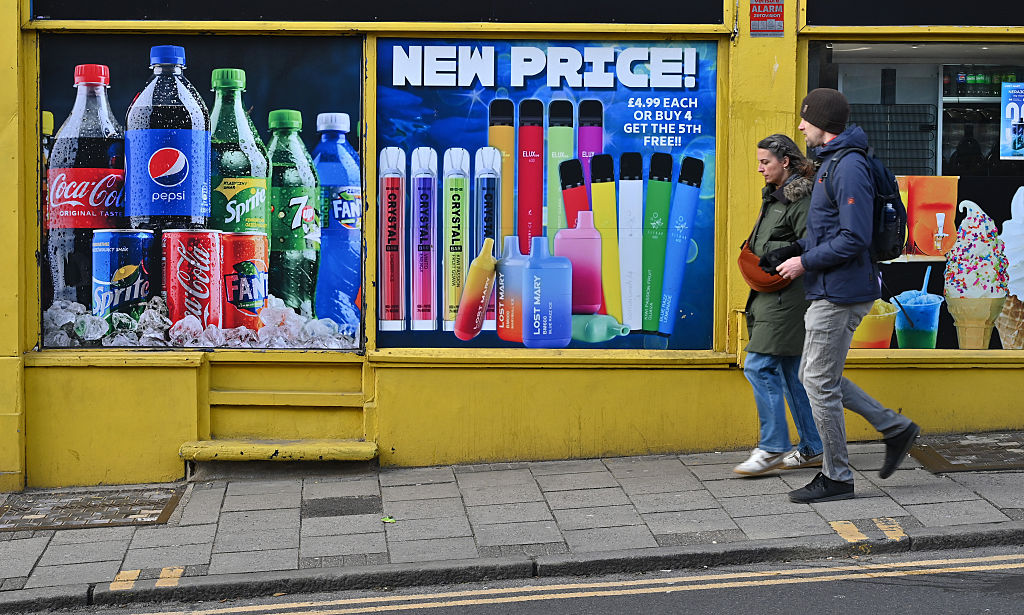
Walk down any British high street in 2026, and this is what you’ll see: “To Let” signs in empty storefronts, vape shops, barbers, tattoo parlors and fast food. It’s not for nothing that politicians of all stripes regularly decide that somebody ought to do something about it.
Andy Burnham is the latest to throw his hat into the ring as the Saviour of the High Street. This week, the Prime Minister revealed plans strengthening local authority powers to prohibit betting shops and gaming centers, while vape shops will need to attain specific planning permission. There is also talk of introducing tougher standards for the aesthetics of town centers. This is all part of Burnham’s campaign to appear responsive to everyday concerns.
There can be no doubt that the PM has good intentions with this policy. But the suggested changes have an unmistakable whiff of superficiality, and of addressing the surface level of popular discontent without considering the causes that lie beneath. The association in the public mind between the proliferation of vape shops and barbers on the one hand and civic decline on the other is not really to do with aesthetics or planning regulations. Instead, it is the widespread, justified suspicion that such businesses are being used as fronts for money-laundering and other forms of crime. It is notable in this context that the number of barbers in Britain more than doubled between 2013 and 2023, from 1.4 per 10,000 people to 3.1 per 10,000 people.
The trouble faced by the authorities in dealing with high-street crime is not inadequate laws and regulations, but a lack of will to enforce the existing rules and confront immigrant crime networks. In the same way, high-street betting shops are a visible sign of Britain’s gambling problem, but it’s important to note that most betting now takes place online. It remains to be seen whether Burnham will be willing to address this particular social problem, which would require courage and persistence. Instead, it’s much easier to grant yet more powers to Britain’s already formidable local councils.
Another problem with the PM’s initiatives is that, however much we may nurture a vague nostalgia for the bustling, vibrant high streets of old, they are never coming back. The old model, familiar to all of us who grew up before the internet, is doomed. One-third of all retail purchases are now made online. Britons’ revealed preference is for ease and convenience. Supermarkets, out-of-town centers and discount outlets account for another significant piece of the market. ONS data suggests that retail job losses in the last decade or so have been heavily concentrated in high streets.
The British public needs to be honest that the high street, as it is now remembered by people over about 40, was an artifact of a particular commercial-social-technological moment, which is now passing. It is just not needed in the same way now, as almost everyone can order almost anything to their front door on a phone screen. That does not mean that nothing will happen in the central streets of towns and cities. Services — restaurants and cafes and the like — will endure. But the great exodus of retail will only intensify, especially as older generations disappear. In the medium to long term, rescuing the high street really means accepting its inevitable evolution, and therefore making it easier to convert commercial property into residential property, or to build much-needed homes where once there stood a retail shop.
