









August 25 2026 - 4:20pm
Reports today suggest Andy Burnham has been invited to send ministers to cross-party talks on a private member’s bill which would make marriage and sexual intercourse between first cousins illegal. The bill, tabled by Conservative MP Luke Evans in June, follows a similar piece of legislation by fellow Tory MP Richard Holden which received widespread attention last year. But the Evans bill is the first to address not just marriage but sex between first cousins.
Burnham should pledge to send MPs to join talks on this bill not only because it keeps attention on the issue and the wholesale failure of integration it represents, but also to shift the discussion beyond the narrow confines of cousin marriage. Given the Labour Party’s opposition to restricting cultural customs, and its need to placate traditionally-minded voters among the Pakistani diaspora, it seems very unlikely that the bill would pass. But if it were to pass, it would serve as a strong signal against the custom and create financial and administrative incentives for families.
Regardless of whether the bill passes, it is unlikely to work when it comes to actually stamping out the practice. Cousin marriages are an essential tool for extended family structures to maintain their tight-knit network, which is central to the way of life in clan-based societies that see it as a survival mechanism. This is why European authorities were so strict about banning the practice centuries ago, as the endurance of clan structures was a challenge to their power. This was a drawn-out process which required an uncompromising enforcement of the rules, and which ultimately only succeeded because it resulted in a deeply-held taboo after many generations.
Under these circumstances, it seems likely that members of demographic groups such as Pakistani Muslims in Britain will continue the practice of marrying first cousins in private religious ceremonies, and will simply cease registering them with the authorities. Unmarried in the eyes of the law, consanguineous couples who have children will be able to leave the paternity blank on the birth certificate. In practice, the British authorities have long since given up the authority to monitor who has children with whom, and sexual intercourse is only criminalized when cases of abuse are exposed. If passed, this bill would only be effective in cases where families voluntarily obeyed the law, or where one of the parties to the relationship sought the assistance of the police.
Much of the supportive commentary presupposes that the parties to cousin marriages — and especially the female parties — are the unwilling victims of coercion. But even in cases where individuals are genuinely unhappy about an arranged marriage to a close relative, reporting it to the police could mean permanent exile from the close family structures on which people come to rely.
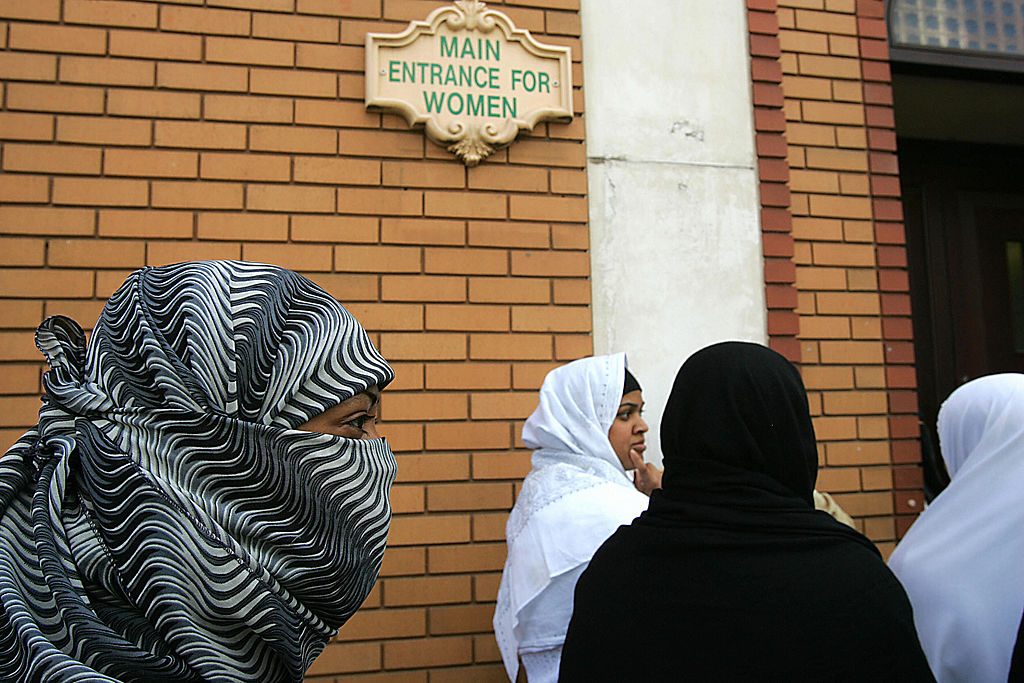
As with other practices such as the niqab or female genital mutilation, first-cousin marriage is an imported social ill in Britain, but one which is deeply ingrained in the communities that practice it. There are examples in history of established customs being stamped out quickly, such as footbinding by the communists in China or veiling in modern Turkey, but these were undertaken by highly authoritarian states.
This bill is worth supporting, and Burnham should support it, but there is a contradiction inherent in this kind of “muscular liberalism”. Really, the British state long ago allowed those muscles to waste away, at least when it comes to this kind of social change.
Chris Bayliss is an independent consultant who works on energy infrastructure in the Middle East.
 baylissbaghdad