









May 16 2026 - 1:00pm
Yesterday, Lord Daniel Hannan tweeted: “A man is stabbed to death by someone who accuses him of being a racist — and the first thing the police do on arrival is to handcuff the dying man.” Hannan speaks to a kind of “reverse Stephen Lawrence syndrome”, whereby conservative commentators view police as institutionally biased against white people. In 1999, the Macpherson Report into Lawrence’s murder was published, finding the Metropolitan Police liable for “institutional racism” in its handling of the case.
What, though, has the Report actually achieved? Three decades of relentless antiracism seem to have pleased nobody, except for the well-remunerated professionals authoring indeterminable reviews into matters of race and diversity.
The case Hannan references concerns the fatal stabbing of 18-year-old Henry Nowak in December last year. Nowak, a white student, was allegedly murdered by Vickrum Digwa, a 23-year-old British Sikh. Digwa, who is standing trial at Southampton Crown Court, claims he acted in self-defense after Nowak racially abused and assaulted him. These claims are heavily disputed; Digwa’s mother is accused of concealing the murder weapon, a 21cm-long Sikh religious dagger of questionable legality. The prosecution alleges Digwa removed his turban to make it look as if Nowak pulled it off his head, while the victim’s mobile telephone was discovered in Digwa’s pocket.
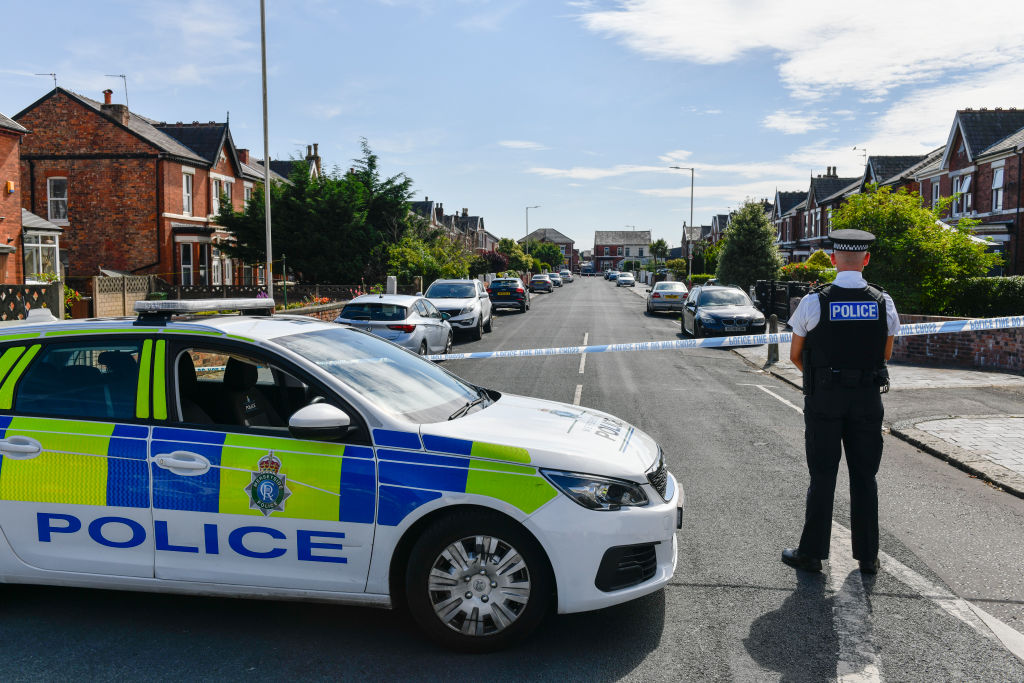
Most controversially, Nowak, bleeding heavily from four stab wounds, was handcuffed at the scene by officers from Hampshire Police. The implication is clear: the police force was more concerned with matters of race than tending to a fatally injured teenager.
Much, it should be said, remains unknown. The trial is ongoing, with key facts sub judice. Hampshire Police is yet to release a statement concerning its officers’ actions. Body-worn camera footage is presumably being withheld until offered in evidence. It should also be remembered that crime scenes can be chaotic, with initial witness accounts garbled and confusing. Yet, as happened in the Stephen Lawrence case, the narrative has already stuck. Cops instinctively jumped at the dog whistle of racism, while the real victim bled out.
Nowak’s death offers ammunition to those skeptical of the tsunami of heavy-handed diversity training that the Macpherson Report heralded. Has antiracism, ironically, become as big an impediment to police judgment as racism? Has antiracism, in a political version of Newtonian law, prompted an equal and opposite reaction?
There are many instances of concerns around racial disparities leading to unintended but tragic outcomes. One such case is Valdo Calocane, who went on to kill three people in Nottingham three years ago after mental-health professionals chose not to section him out of fear of racial profiling. In another case, the Metropolitan Police was criticized for lowering vetting standards for officers from ethnic minorities, resulting in the force hiring rapists and other convicted criminals. In 2017, a security guard, wishing to avoid allegations of racism, failed to challenge the Manchester suicide bomber.
Macpherson’s report created a miasma of fear that has had a chilling effect on common sense. Unsurprisingly, given the nature of bureaucracies and bureaucrats, many are too scared to point out the unintended consequences of antiracism. There are also, undoubtedly, those who ride the DEI gravy train for naked personal advancement.
Now, a quarter of a century after Macpherson, a younger generation of writers is asking questions about the cumulative harms caused by such policies. Will Solfiac, for example, has proposed an “Antiracism Inquiry” to revise the Equalities Act. The police, though, are stubbornly indifferent to such criticism. Indeed, the College of Policing has launched another Race Action Plan, which may prove to be a ticking bomb of unintended consequences. If race has become the British Establishment’s modern sin, then its police are its sin-eaters. Antiracism is now embedded in policing’s marrow, as intended by its critical-theory inspired architects. Only another Newtonian reaction is likely to dislodge it.