









October 2 2026 - 1:10pm
Brussels and Kyiv speak gushingly of their bond in public, but rhetoric can’t change increasingly harsh financial realities. On Wednesday, it was reported that the European Union had rebuffed Ukraine’s request for additional financial support for 2027 on top of loans agreed earlier this year. As Kyiv struggles even to obtain money already pledged by the EU, cracks are emerging in Ukraine’s key international alliance.
On Tuesday, Ukraine supporters, including representatives from the EU, G7, Norway and South Korea, gathered in Brussels to consider a fresh appeal for aid from Kyiv. The total requested was €69 billion, which would cover military and state spending in 2027. The EU, which in April approved a €90 billion loan to cover 2026-27 contingent on Ukrainian domestic rights reforms, responded coolly. Commissioner for Enlargement Marta Kos said that Ukraine must “deliver the agreed reforms so we can continue supporting you financially”.
Frustration is showing on both sides. Ukraine insisted yet again that Europe should finance additional aid by using seized Russian assets. But to EU ears, such demands sound like a broken record after the bloc’s humiliating failure to find consensus on this topic in 2025. A European diplomat meanwhile said supporting Ukraine “feels like watering the desert”.
The impression of ingratitude conveyed by this turn of phrase represents the gravest diplomatic threat facing Ukraine today. Donald Trump’s explosive encounter with Volodymyr Zelensky in early 2025, and the concurrent halting of new US aid for Ukraine, demonstrated the destructive impact of being perceived as ungrateful. Kyiv must maintain pressure for support from the friends it has left, but it cannot afford the same impression to spread among EU decision-makers.
Yet another, even more challenging balancing act lies at the heart of the funding impasse. The wide-ranging reforms on which the EU’s €90 billion loan depends — set out in a Memorandum of Understanding and covering everything from corruption to financial markets — are taken seriously in Brussels. After all, Ukraine’s need for cash provides a helpful incentive for alignment with EU standards.
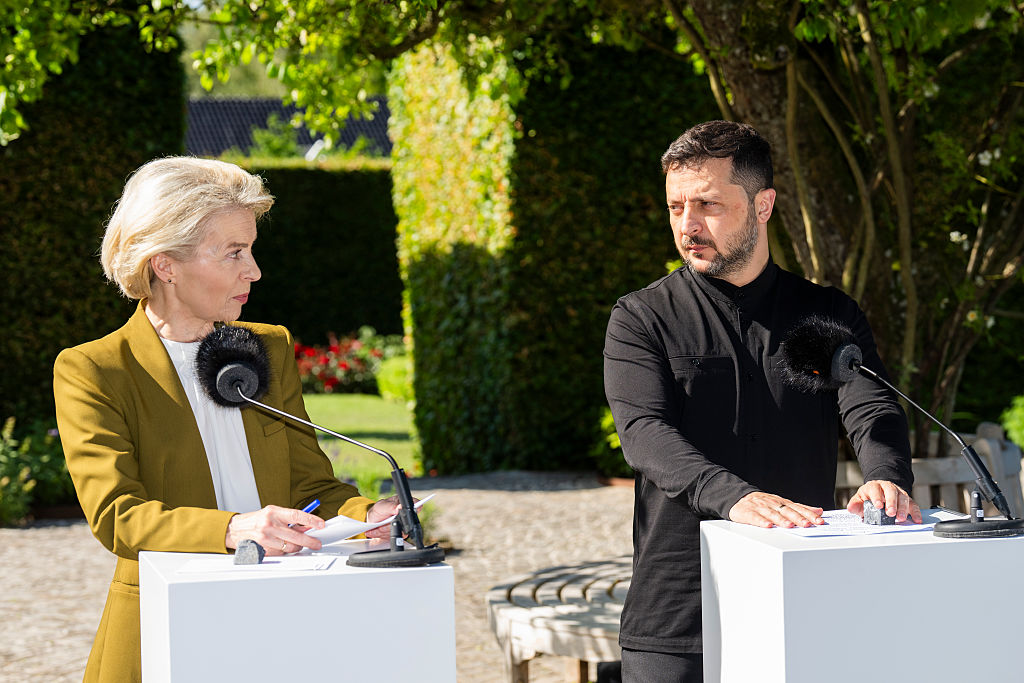
The result is that out of €45 billion already earmarked for Ukraine in 2026, only around €15 billion has so far been disbursed. From a Ukrainian perspective, this simply isn’t good enough. Talks on this topic in New York in late September between Zelensky and European Commission President Ursula von der Leyen were tense: the Ukrainian President told her that gaining approval for reform legislation is problematic as “it is impossible to expect parliament to operate the way it would in a normal country in peacetime.”
On Thursday afternoon, Ukraine appeared to win this particular debate. The Commission abruptly issued a short statement that through “joint efforts, we have identified the means to cover Ukraine’s budget and defense needs for 2026”, plugging a new €23 billion shortfall which was identified by Zelensky in August. It is unclear, though, whether this will see a relaxation of reform requirements to ensure quicker disbursement of funds from the two-year €90 billion package; the statement vaguely notes that steps to ensure the release of funds have been “reconfirmed”.
Corruption scandals within Zelensky’s administration have done little to inspire confidence in his appetite for change. But he is right to point out that comprehensive reform of state functioning is a great deal to fit in alongside an all-out war. With the demands of the military campaign and an embattled population understandably taking precedence over EU governance requirements, a paradox has become clear: Ukraine’s hunger for money now far outstrips its ability to implement the reforms on which financial aid depends.
This friction will define Ukraine-EU relations for as long as the war continues. From a European perspective, failed reforms will swell the crowd of voices questioning the validity of providing further aid to Ukraine. Yet for Ukrainians, the EU’s insistence on alignment is fast becoming a matter of life and death.