









September 18 2026 - 6:00pm
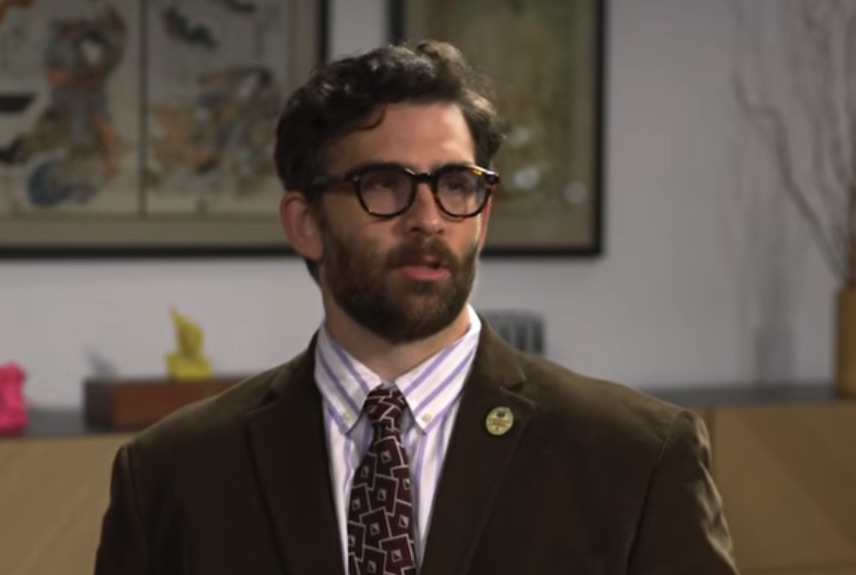
Ahead of Axios’s interview with Hasan Piker, social media lit up with expectations of a journalistic smackdown. Piker’s detractors circulated teaser clips, holding Alex Thompson up as one of the only journalists willing to go there with the popular streamer. Piker even claimed it was the “most contentious” interview he’s ever done. But when Axios dropped the full episode, there was no smackdown. It wasn’t Katie Couric embarrassing Sarah Palin. It was just a normal — and surprisingly effective — interview.
Unlike most mainstream reporters, Thompson’s questions reflected an understanding of the stream-of-consciousness medium in which Piker operates. He thus came prepared with much sharper questions that actually pressed Piker to reveal more about his worldview, rather than merely checking boxes to prevent uncritically “platforming” a Bad Guy.
Piker, for his part, performed just fine. Without budging an inch, he calmly admitted to prior mistakes but also argued that “pound for pound, as far as the number of deaths”, America has committed more acts of terror than al-Qaeda. He explained away his use of violent rhetoric as metaphorical, defended puncturing the “hagiography” of Charlie Kirk, and willingly criticized the “excesses” of Mao Zedong.
All that is to say, Piker defended his radical politics and Thompson pushed him to explain them. That was the novelty of the hour-long sitdown. By his own count, Piker has talked publicly for 20,000 hours. This confounds most journalists and pundits and people over the age of 40, who try to understand why someone who praises Mao is so popular.
The truth is, as Thompson showed, that Piker’s audience doesn’t consume him in bite-sized clips. They’ve heard him denounce antisemitism in no uncertain terms. They’ve heard him criticize Chinese communism. They’ve heard him denounce political violence. The difference between Thompson and most journalists is that he actually approached Piker as someone who’s already covered those bases. This is much more interesting and constructive because viewers then have an opportunity to judge Piker’s actual politics.
Does it make much sense for him to say he doesn’t support terrorism but offer support for Hamas, the Houthis, and Hezbollah? His argument is that he supports armed political resistance, but Thompson’s smart line of questioning highlighted that ostensible inconsistency. Why lavish such praise on Mao and modern-day China if Piker also concedes that they have committed grave moral wrongs, such as the Cultural Revolution and the abuse of Uyghur Muslims? He might argue that his willingness to acknowledge these moral failings ultimately reflects an underlying attachment to Western civilization, but that argument is not altogether convincing.
These are much more serious blows to Pikerism than asking questions he’s already answered about his previous polemics in a slightly angrier tone than the last interviewer. Piker has benefited from the mainstream press not quite knowing how to handle him for many years now. They detest streaming and they detest him, so they never quite bothered to understand any of it.
In the meantime, he became much more powerful than most primetime news anchors, in part because the mainstream press couldn’t wrap its head around new media. Thompson, on the other hand, spoke fluent Piker. Rather than having to translate from new media speak to old media speak, the two were able to just talk. And the public benefited from it — all without the theatrics of Twitch or cable news.
