









August 26 2026 - 4:00pm
Following the deaths of PCs Tom Clough and Matthew Blades in the A66 crash on Saturday, and the scandal surrounding the proposed early release of PC Andrew Harper’s killers, you would think Zack Polanski’s party would be mindful of alienating the police — if not public opinion — given its previous wobbles over legalizing everything from drugs to prostitution. However, having proposed a draft motion that would commit the party to “withdraw[ing] lethal tools and tactics, e.g. Tasers, pepper spray” from the police, the Greens’ crime and justice working group appears to have spectacularly misread the room.
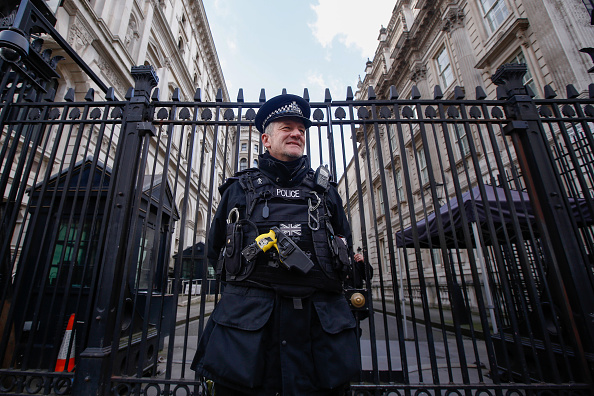
On top of scrapping the government’s anti-radicalization initiative, Prevent, ending police presence in schools, and effectively closing “all prisons through systemic obsolescence”, ditching the Taser has been described, predictably, as “madness” by Shadow Home Secretary, Chris Philp. Polanski has since suggested that the policy wasn’t really being considered, framing the motion as one of over 150 draft submissions that may never even be debated. But internal politics aside, the suggested policy is worth taking seriously, given the controversy surrounding the use of Tasers.
A mainstay of American policing since the late Nineties, Tasers were introduced to British police in 2003 as a non-lethal alternative to firearms and as a means of reducing injuries caused by close-contact restraint. Previously, an “unarmed” police officer had limited choices when it came to dealing with an unruly suspect — using an incapacitant spray, a truncheon or engaging in physical struggle — which could result in injuries to suspects, officers and members of the public. Those in favor of Tasers argue that their removal would simply mean the return of bodily force in the form of strikes, punches and kicks — none of which, as sundry social media clips have illustrated, are a “good look” for the police.
Herein lies the Greens’ policy blind spot. Home Office police use of force data shows recorded Taser incidents roughly doubling over the past decade, from around 17,000 in 2017-18 to more than 33,000 in 2023-24, even as most of these “uses” involved the weapon being drawn or aimed rather than fired. Perhaps then, a deterrent effect is at play here: no one in their right mind wants to risk being zapped with a 1,000-volt charge. Remove the deterrent, however, and what replaces it isn’t tea and sympathy — it is officers going gung-ho more often in the very situations Taser is supposed to defuse. At least that’s the theory.
It would be naïve to suggest that a Taser’s deterrent effect (such as it is) does anything more than stop a suspect in his tracks, as opposed to preventing crime in the first place. Certainly, there are several cases in which they have been badly or wrongfully deployed. But what the Greens’ latest policy wheeze really objects to isn’t so much violence, or even the use of force by the state. What the party objects to is the use of physical weaponry and technology as policing tools. They don’t so much want uniformed “policing by consent” as self-policing through compliance — a childish Luddite approach that replaces real and accountable policing with surreal and fantastical thought policing.
Research by the University of South Wales, however, suggests that the Great British public isn’t quite ready to look after itself: 79% of people are in favor of more police carrying Tasers and 69% trust the police to use them responsibly. If the Greens thus think removing Tasers is a vote winner, clearly, they’re in for a shock at the polls.
