









July 22 2026 - 6:00pm
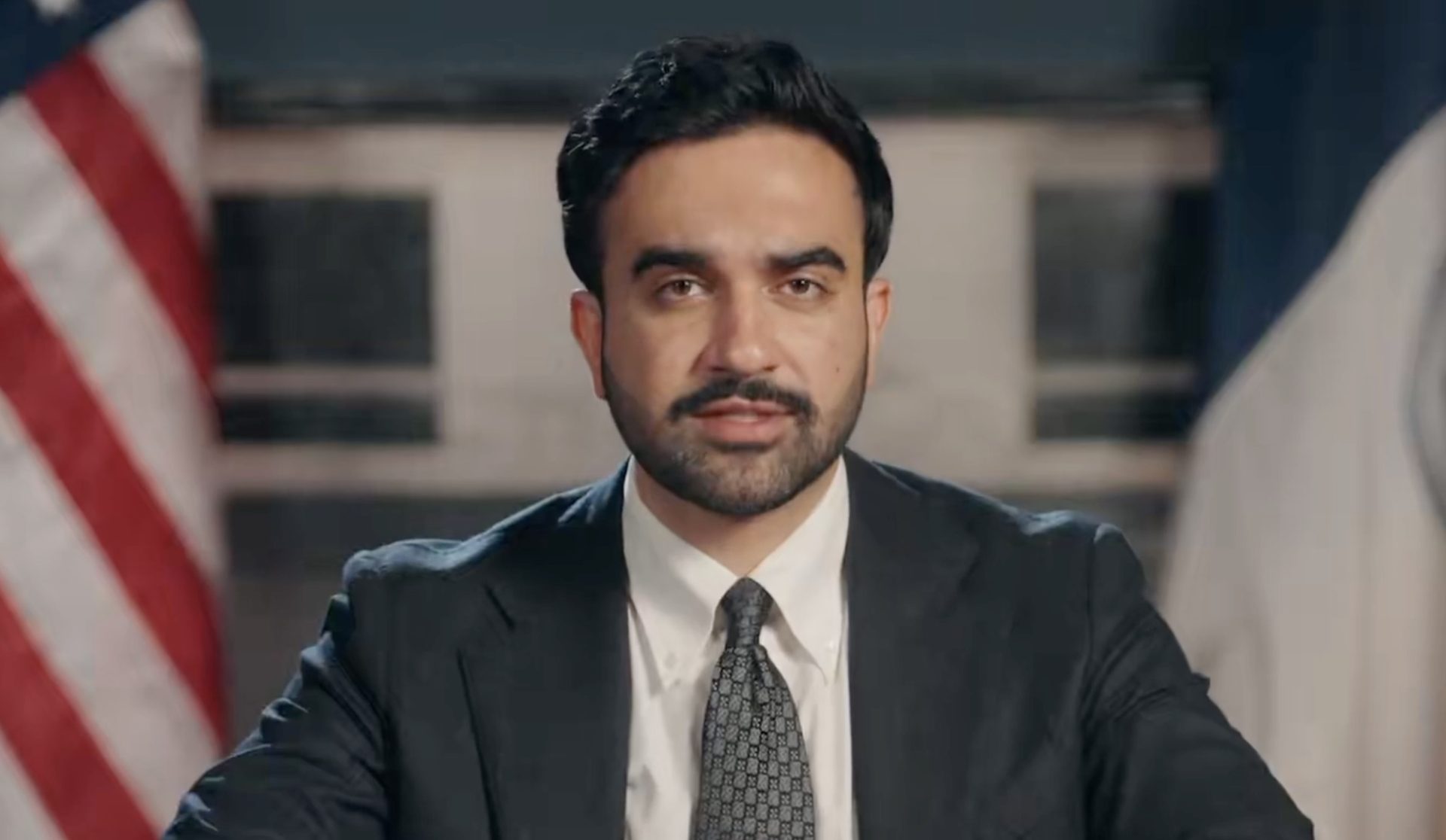
Last night, New York City Mayor Zohran Mamdani made a major announcement. In a cinematic address uploaded to X, he told New Yorkers not what he could do, but what he couldn’t: arrest Benjamin Netanyahu.
Arresting the Israeli Prime Minister, who is subject to an outstanding warrant from the International Criminal Court, was a central campaign promise of Mamdani’s. Yet even then, it was clear that he had no authority to carry out such an action. The warrant was issued by an international body that the United States does not recognize, and to whose founding treaty it is not a party.
What makes this episode more striking is Mamdani’s relatively modest place in the government hierarchy. He is not a federal official or a state representative but the mayor of a single city. His responsibility is to oversee the day-to-day civic functions that keep New Yorkers safe and the city running.
Yet Mamdani called on federal officials to intervene, appealing to President Trump to arrest Netanyahu — a scenario that was never going to happen, as Trump himself made clear. In this sense, Mamdani embodies a strain of activist politics reminiscent of the college protest movement: driven by populist rhetoric and class conflict, and willing to make sweeping demands of those in power without much regard for their practical feasibility.
So, if the promise was always in vain, why did Mamdani make it at all — and why does he continue to bring it up? The answer is that Palestine has become the animating cause of the new Democratic Party, eclipsing almost every other cultural issue on the Left. Nearly every DSA-backed politician running in the current cycle has made Israel a cause célèbre in their campaigns, despite the issue having little salience among working-class voters.
Palestine is a purely performative issue for Mamdani. If the Mayor cared about human rights, he would terminate his friendship with Hasan Piker, who recently placed a newspaper clipping about 9/11 in his Twitch stream background and praised Mao as a “great leader”. If he cared about murder and war criminals, he would not have made a rap video about his “love” for the Holy Land Five, convicted in 2008 of funneling money to Hamas. And if he truly wanted to “focus on New York”, as he told primary opponents on a debate stage, he would have never published a video about not being able to arrest a foreign leader — something which was never going to happen in the first place.
Like many populists, Mamdani is less interested in solving problems than in building a movement fueled by resentment towards those “in power”. He doesn’t frame property taxes as a way to fund services, but as a way to punish those who dare to succeed. Instead of abundance, the message is that someone has taken from you and must be blamed. Whether the target is a healthcare executive or a foreign leader, the goal is the same: mobilize a movement against an enemy, even when local politicians have little power to address the problem itself.
On 2 January, Mamdani created the Orwellian-sounding “Office of Mass Engagement”, which is meant to “transform how New Yorkers engage with their government”. This is the language of Bernie Sanders, Graham Platner, Abdul El-Sayed, Darializa Avila Chevalier, Claire Valdez, and all those running on the DSA platform. It is class-warfare populism that seeks to use the levers of government, not to help the poor huddled masses but to punish those in power. Arresting Netanyahu is beside the point; talking about it is everything.