









July 14 2026 - 4:00pm
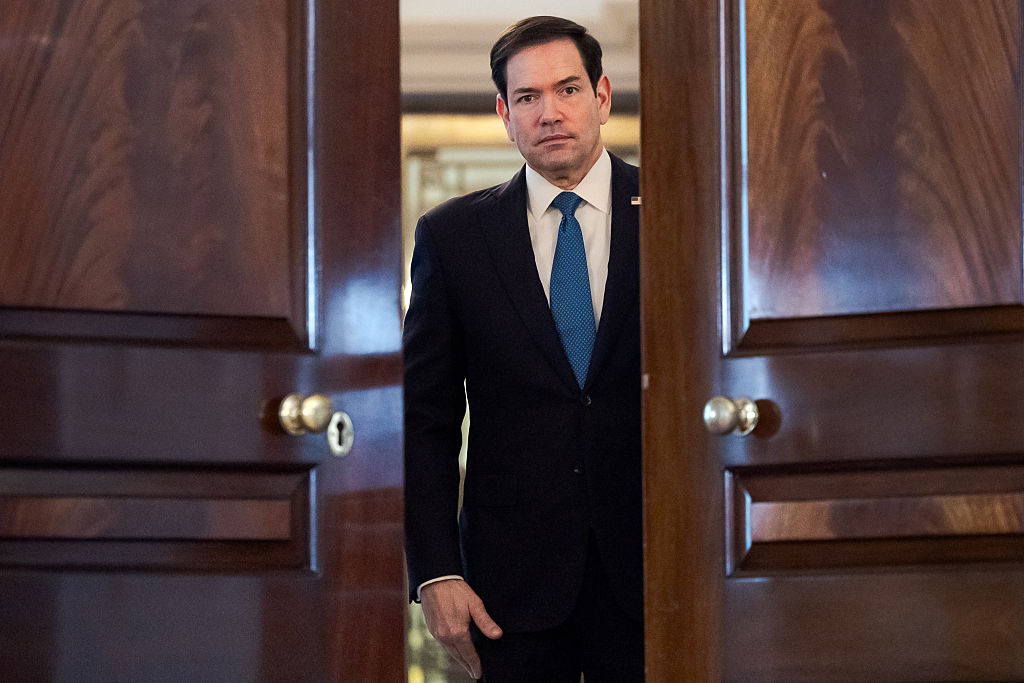
Spearheaded by Secretary of State Marco Rubio, the Trump administration is reinvigorating its fight with the International Criminal Court (ICC). In a Wall Street Journal op-ed published on Monday, Rubio announced that “the U.S. is launching a diplomatic campaign with a simple message — sovereign states over globalism,” adding: “We will dismantle the ICC — brick by brick, if necessary.” In a separate video post on X, he warned: “We will teach the ICC the full meaning of American resolve.” The goal is to bolster the administration’s strategic narrative of sovereignty versus globalist supremacy, but also to distract from the ongoing chaos that has resulted from the war in Iran.
On paper, it’s understandable why Rubio is taking action. The ICC is fundamentally incompatible with sacrosanct notions of American sovereignty and understandings of the rule of law. What’s more, the court’s anti-American judges and staff, such as former prosecutor Fatou Bensouda, have repeatedly threatened the freedom of US military and intelligence personnel in Afghanistan while downplaying far more grievous and well-evidenced Taliban atrocities.
In the most serious blow to its credibility, the ICC has also willfully ignored China’s genocide against its Uyghur population. Unlike Afghanistan (as absurd as this might be under the Taliban), China is not an ICC signatory. Still, Beijing’s forcible repatriation of Uyghurs from neighboring ICC signatory states provides ample grounds for the Court to launch an investigation. The issue is that the ICC prefers anti-American performance art to the pursuit of blind justice.
Nevertheless, the administration isn’t refocusing its fire on the ICC because of some new threat from the organization. Really, its action is driven by two other motivations. The first is to boost Rubio’s “America First” credentials with Donald Trump’s MAGA base in advance of a potential 2028 Republican primary run against Vice President JD Vance. The second is to distract from growing public concern over the war in Iran. We see this in Rubio’s choice of rhetoric.
The truth is that Rubio appears to be looking for a crisis where none exists. As he notes in his op-ed, the president already has explicit authority under American law to use any measures necessary — including military force — to prevent or end the detention of US citizens on the ICC’s behalf. Given that Trump has previously introduced sanctions and visa restrictions on ICC officials responsible for unfairly targeting Americans, that authority is already being exercised.
Additionally, while the administration apparently fears the prospect of Trump or his officials being detained abroad under ICC arrest warrants once they leave office, these concerns are also overstated. The FBI and the US Secret Service’s close professional relationships with their foreign counterparts would almost certainly produce a warning of any such arrest effort. If not, the US intelligence community would likely learn of this threat. Even then, a detention of a former American president or top official abroad would create a political scandal in which even a devotedly anti-Trump Democratic president would have to side robustly with detained compatriots. It would become a crisis of national sovereignty, requiring the full leveraging of American power towards a successful resolution.
Rubio knows this. But with the Iran war reignited in recent days, he is attempting to shift focus onto more comfortable territory. Working to dismantle the ICC serves little functional purpose. And it won’t work because, foolishly or otherwise, close US allies continue to support the organization’s existence. The far better course, then, is for the Trump administration to keep the ICC hamstrung against threatening Americans. Ultimately, though, this is a distraction from far more important issues.
