









May 5 2026 - 10:00am
Be afraid, be very afraid: the £10 pint has arrived in London. With the cost of beer creeping above £7 for some time, it was probably inevitable, but it is still jarring. It wasn’t so long ago that the average pint in the capital cost around £5.
I’ve heard plenty of complaints about greedy landlords, but speak to publicans and a different picture emerges: almost nobody is doing well. One in eight pubs is now in severe financial distress. Energy costs have surged, and there is no price cap for commercial customers. One landlady complained last year that her bills had doubled in just six months — and that was before the latest wave of global instability. That feeds through into everything, from the price of beer to food. Then there are the “invisible” costs: card processing fees, typically 1.5% to 3.5% per transaction. It all accumulates. On top of that, Labour Party policy has added further pressure through higher National Insurance, rising minimum wage costs, and business rates, not to mention 59p duty on a pint of 5% beer plus VAT. The money has to come from somewhere.
I already find myself thinking twice before ordering a pint in London — something I never used to do. It was almost celebratory the other day to find a pub in Camden selling Guinness for under £6. Much has been written about changing Generation-Z drinking habits, but recent research suggests this is less about a cultural shift towards sobriety and more about affordability. Even Wetherspoons — the home of the cheap pint — is feeling the pinch, which says a great deal about the state of the industry.
Going to the pub is increasingly a treat rather than a routine habit. Instead of three or four drinks, people are having one or two and going out less often. Many rural pubs have reduced opening hours to cut costs, which can, perversely, push prices up further as landlords try to maintain revenue on lower volumes. It becomes a vicious circle. Food is also far more expensive than it used to be: pubs serving simple staples like fish and chips are often forced to charge £20 or more. Unsurprisingly, many drinkers drift back to supermarket four-packs at home.
While the Government tinkers at the margins with rate relief for small businesses, reversing these trends would require something far more fundamental. Taxes — including National Insurance — would need to come down significantly. Above all, energy needs to be cheaper. Britain has moved from having some of the lowest energy costs in Europe to some of the highest.
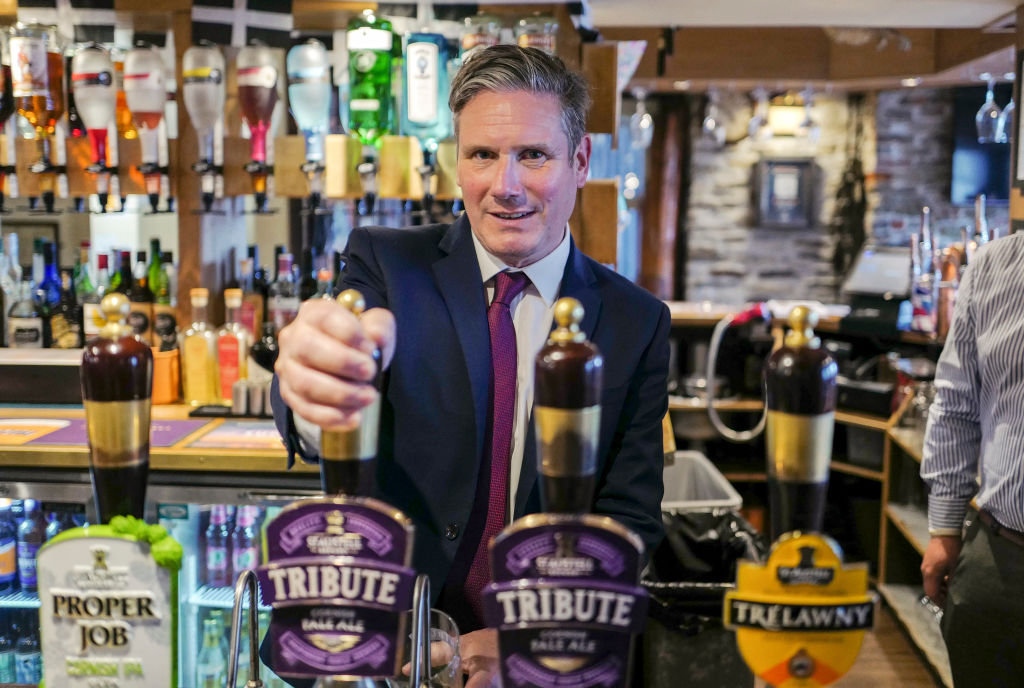
None of this looks likely in the near term. Labour remains committed to Net Zero and often treats business as a convenient revenue source. Despite politicians’ fondness for photo opportunities behind the bar, there is a sense that Labour in particular does not really understand or prioritize pubs. The incoming “banter ban”, which makes landlords liable if customers feel offended by speech on their premises, reinforces that impression. Rachel Reeves, Keir Starmer and others would, it sometimes feels, prefer us at home scrolling on our phones, rather than in pubs talking about the state of the country.
Sadly, the trajectory for the British pub is not encouraging. Prices are likely to keep rising, and footfall will continue to drop. The only real advice is to seek out the pubs that still offer relative value — they do exist — and support them while you can.
Henry Jeffreys worked in the wine trade and publishing before becoming a freelance writer and broadcaster, specialising in drink. He now works as features editor on the Master of Malt blog. His book Empire of Booze: British History through the Bottom of a Glass won Fortnum & Mason debut drink book 2017. His second, The Home Bar, was published in October 2018.
 HenryGJeffreys