









February 23 2026 - 4:45pm
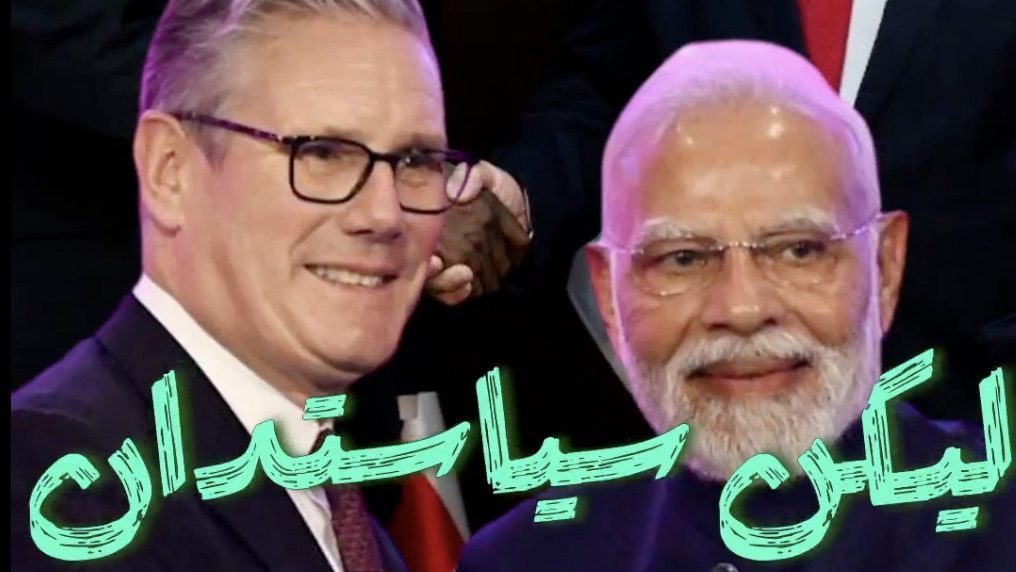
As the Gorton & Denton by-election nears, the Green Party has released a campaign video entirely in Urdu, with some eye-catching imagery. The clip makes some heavy-handed associations, linking Reform UK’s candidate Matt Goodwin and Nigel Farage with Donald Trump and Steve Bannon, accompanied by videos of ICE deportation raids in the US. The video then cuts, predictably, to stock footage from the conflict in Gaza.
Electoral appeals to minority groups in their own languages are nothing new. As far back as the 1970 general election, the Labour Party was publishing campaign materials in Urdu and Punjabi. This is in part a result of Britain’s uniquely generous electoral franchise. Provided they have a proper address and are in the country on the correct visa, Commonwealth citizens are entitled to vote in all British elections, regardless of their status or length of stay. This means there are many people who are fully entitled to vote but who may not speak English. To some extent, it’s surprising that Britain hasn’t seen far more foreign-language campaign material in recent decades.
Part of the explanation lies in the informal machinery political parties — Labour in particular — developed over decades to manage relations with minority communities. This was especially pronounced in constituencies such as Gorton, where sizable South Asian Muslim populations formed a significant share of the electorate. These communities were often organized around extended kinship networks, or biradaris, which exerted considerable influence over voting behavior. In some cases, blocs of related families would deliver votes for favored candidates in exchange for access, influence, or patronage. The academic Eleanor Hill has documented how the interaction between biradaris and local Labour associations could foster opaque practices and, at times, outright corruption.
In this context, an almost symbiotic relationship emerged between Pakistani communities and the Labour Party at a local level. This was massively accelerated by the expansion of postal voting, which had a corrosive effect on ballot secrecy by giving power to family elders to oversee the way younger family members voted. The result was that there was very little need for actual campaigning — the families handled it all internally.
The fact that the Greens are putting videos out in Urdu demonstrates that the old biradari patronage system is breaking down, and that the party is reaching out to younger members of the community directly on social media rather than relying on their grandfathers to direct them. People voting as individuals, rather than as blocs, is a step toward a genuine flowering of democracy among a critical minority group. But, depressingly, the message of the video remains almost a parody of ethnic-specific prejudice.
To some extent, it is possible to see the contours of Britain’s future elections emerging in this by-election campaign: a large, relatively unified minority community appearing a more attractive target to campaigners than a disparate and divided majority.
The calculations of democracy in a multi-ethnic constituency point remorselessly toward ethnic solidarity. And it is not only the parties of the Left that are doing this: at the last election, the Conservatives heavily targeted Hindu and Sikh voters, emphasizing Labour’s links to the Pakistani community. Given the huge inflows of Commonwealth nationals in recent years, as well as the many others on the pathway to full citizenship, sectarian voting is something the UK should expect to see far more of in the years ahead.
Chris Bayliss is an independent consultant who works on energy infrastructure in the Middle East.
 baylissbaghdad