









October 27 2026 - 7:00am
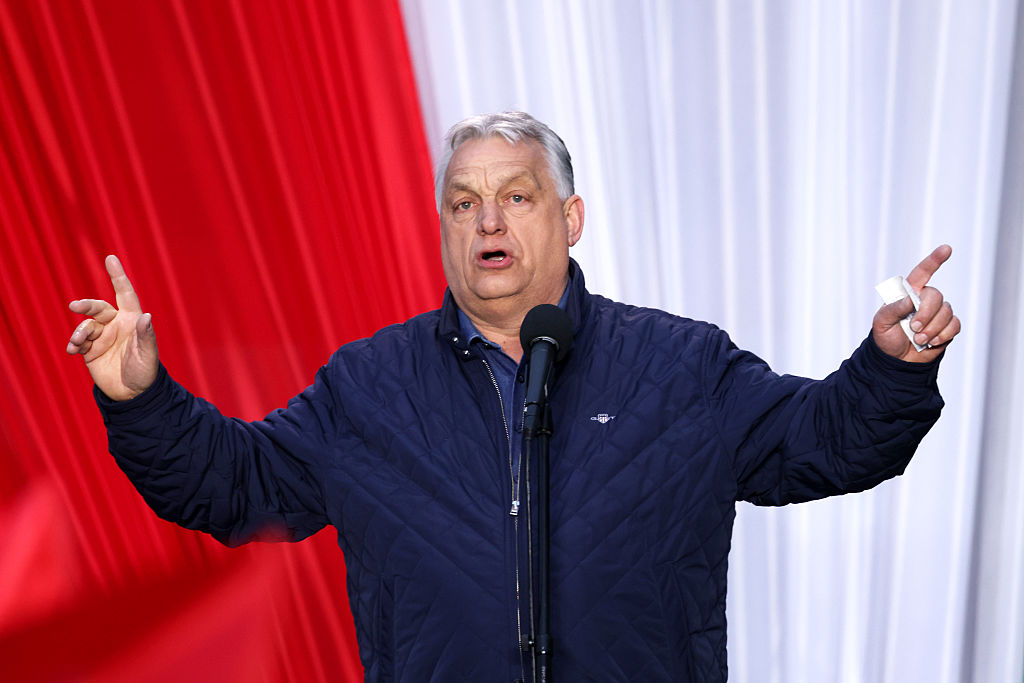
Having served two five-year terms, the incumbent United Nations (UN) Secretary-General António Guterres is due to step down at the end of this year. Who will succeed him? The UN chief always serves at the behest of the world’s most powerful countries, and the Trump administration has decided to make this abundantly clear by putting forward its own candidate to replace Guterres: former Hungarian prime minister Viktor Orbán.
By proposing Orbán for the role, the administration has upended diplomatic protocol. The UN Secretary-General heads the Secretariat (the equivalent of the UN’s civil service arm). Historically, the post has gone to candidates from smaller powers across the world’s regions on a rotating basis, while avoiding the five permanent members of the UN Security Council — Britain, China, France, Russia and the US. Given that these powers hold veto rights, and permanent membership in the Security Council, rotating regional leadership of the Secretariat has been seen as a way of ensuring widespread political buy-in and legitimacy for the body.
Guterres himself is Portuguese, while the most recent round of previous incumbents before him have hailed from South Korea (Ban Ki-moon), Ghana (Kofi Annan), Egypt (Boutros Boutros-Ghali) and Peru (Javier Pérez de Cuéllar). Of the six candidates poised to replace Guterres, five hail from Latin America, four are women, and one is African.
Orbán would buck that trend. While Hungary is certainly a smaller power, the issue is that he is a national populist — and a European one too. This means that Europe would enjoy the top role twice in succession, and female diplomats from the Global South would have to wait another five years at least before being eligible once again.
By proposing Orbán, Trump has realized something crucial about the UN. This densely interwoven, supranational network of institutions, which we might term the transnational regime, is held firmly in the control of liberals. It is an inherently globalist project — and one that nationalists, by and large, have consistently butted against.
Historically, intergovernmental networks and transnational bureaucracies have provided a revolving door for failed liberal politicians. Lord Paddy Ashdown (famously despatched to be neo-imperial viceroy of Bosnia and Herzegovina) and former Labour leader Neil Kinnock (a senior EU functionary) are two of the most prominent British examples. There are rumours that former prime minister Keir Starmer, recently ousted, might be nominated for a top role at the International Criminal Court, or even take the top UN spot himself. Such appointments allow politicians to retain the trappings of high office long after they have been rejected by their own country.
Having won five national elections, four with supermajorities, Orbán has a more impressive electoral track record than most liberals elevated to the transnational stage before him. Nor is he the first national populist to make the leap. In recent years, even the EU has had to broaden its base of support, with Commission President Ursula von der Leyen appointing Raffaele Fitto, a member of Italy’s ruling Right-wing populist Brothers of Italy, as one of her vice presidents.
Can populists construct their own transnational institutions and networks to rival those built by liberals? It will certainly be difficult. Winning elections may give populists a mandate at home, but building an enduring transnational order also risks losing it. If national populists follow in liberals’ footsteps, they may well end up like them — deprived of national democratic legitimacy.
Philip Cunliffe is Associate Professor of International Relations at the Department of Risk and Disaster Reduction, University College London. He is the author of seven books, including, most recently: The National Interest: Politics after Globalization.
 thephilippics