









October 25 2026 - 8:00am
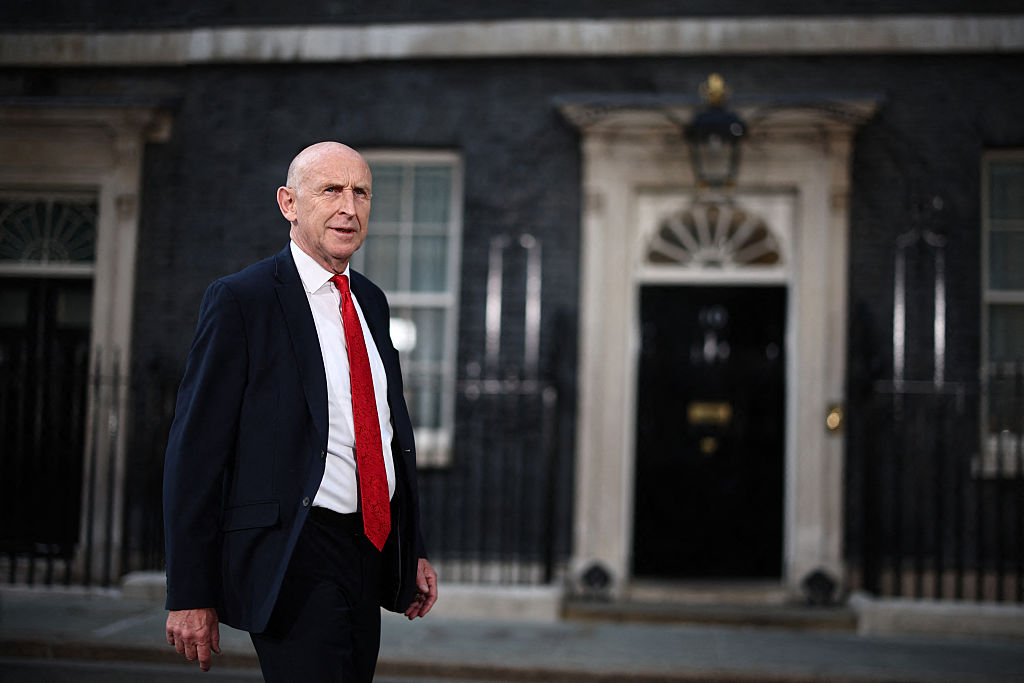
As he prepares to deliver his first Budget next week, Chancellor John Healey has has been making a bold pitch to the country. In an interview with the Times last week, Healey said he wanted to back the “bloody-minded entrepreneurs” who challenge the status quo and drive innovation. He also went out of his way to insist that profit is a good thing, arguing that Labour must ensure businesses make enough money to reinvest and grow.
That the government can present such statements as radical or innovative tells you everything about how far Britain’s economic debate has sunk. It is also a bad sign that, just a few days before the Budget announcement, the Treasury’s entrepreneurship adviser resigned, warning that entrepreneurship was being treated as a “sideshow”.
The government faces an uphill battle to rebuild trust with wealth creators. Battered by measures such as higher taxes on dividends and inheritance tax changes, the business community has struggled its way through the last few years. But there is some good news: Britain is already a nation of entrepreneurs. The Global Entrepreneurship Monitor, which tracks entrepreneurial activity worldwide, ranks the UK third in the developed world for the proportion of adults starting or running a business. More than one in five Britons are doing so, putting the UK ahead of the United States, France and Germany.
The problem is that, while many Britons want to set up a business or run one, the country is not exactly in a position to reward their efforts. The net rate of return for private businesses has fallen from close to 19% in 1997 to around 10% today. Profits as a share of the overall economy have also fallen in recent years, with the current share the lowest we have seen since before the financial crash.
There are many reasons for the profit squeeze. Contrary to popular myth, the main reason is not because businesses are “overtaxed”. Although Rachel Reeves’ decision to raise employer national insurance contributions attracted a huge outcry from businesses, the UK remains a lower tax jurisdiction for businesses than its peers. OECD data shows that only 9% of total tax receipts come from taxes on corporate profits or gains, compared with the OECD average of 12%. The same research also shows that social security contributions are generally lower than our peers.
The real reason behind the fall in profitability lies elsewhere. Rising energy costs are the primary pressure now, with British businesses facing the highest industrial electricity prices in the developed world. Every business needs to use energy in some form and unless costs are brought down, it is going to be hard for UK plc to generate decent returns.
Backing entrepreneurs means developing a plan to bring down industrial electricity costs, not simply shifting the burden onto taxpayers. Approving Jackdaw gas drilling alone will not be enough. One proposal doing the rounds in Whitehall is to reform the Emissions Trading Scheme and use the proceeds to expand the British Industrial Competitiveness Scheme, which cuts energy bills by 25% for eligible firms. The proposal would stop renewable energy companies receiving higher prices when gas sets electricity prices, and pass the savings on to businesses. This is the kind of targeted intervention the Chancellor should embrace.
Another underlying problem is inflation. Since 2008, UK prices have risen faster than those in Europe or the US. £100 of goods in 2008 would cost £171 in Britain today, compared with €145 for €100 of goods in Europe. This drives up wages and business costs, leaving workers and employers worse off. The government needs a strategy to tame inflation. Cheaper energy would help, as would producing more essential goods and raw materials at home rather than relying on imports. Reindustrialization is good for business and good for Britain.
Entrepreneurs want a plan to cut the cost of doing business, not empty platitudes. That means making hard choices, including shifting resources away from populist cost of living subsidies for households and towards cutting business bills. If he faces resistance, the Chancellor should show the same bloody-minded determination that entrepreneurs bring to their own ventures.
Andrew O’Brien is the former Director of Policy at the think tank Demos and currently Head of Secretariat of the Independent Commission on Neighbourhoods. He writes in a personal capacity.
 ADOBrien88