









October 5 2026 - 5:00pm
When I was growing up in the Nineties, one of the most popular current-affairs TV shows was The Cook Report, in which Roger Cook and a team of investigative journalists exposed corruption, sharp practice, crime and negligence. Cook’s practice of door-knocking the various crooks and conmen he had uncovered became the best-known part of the program.
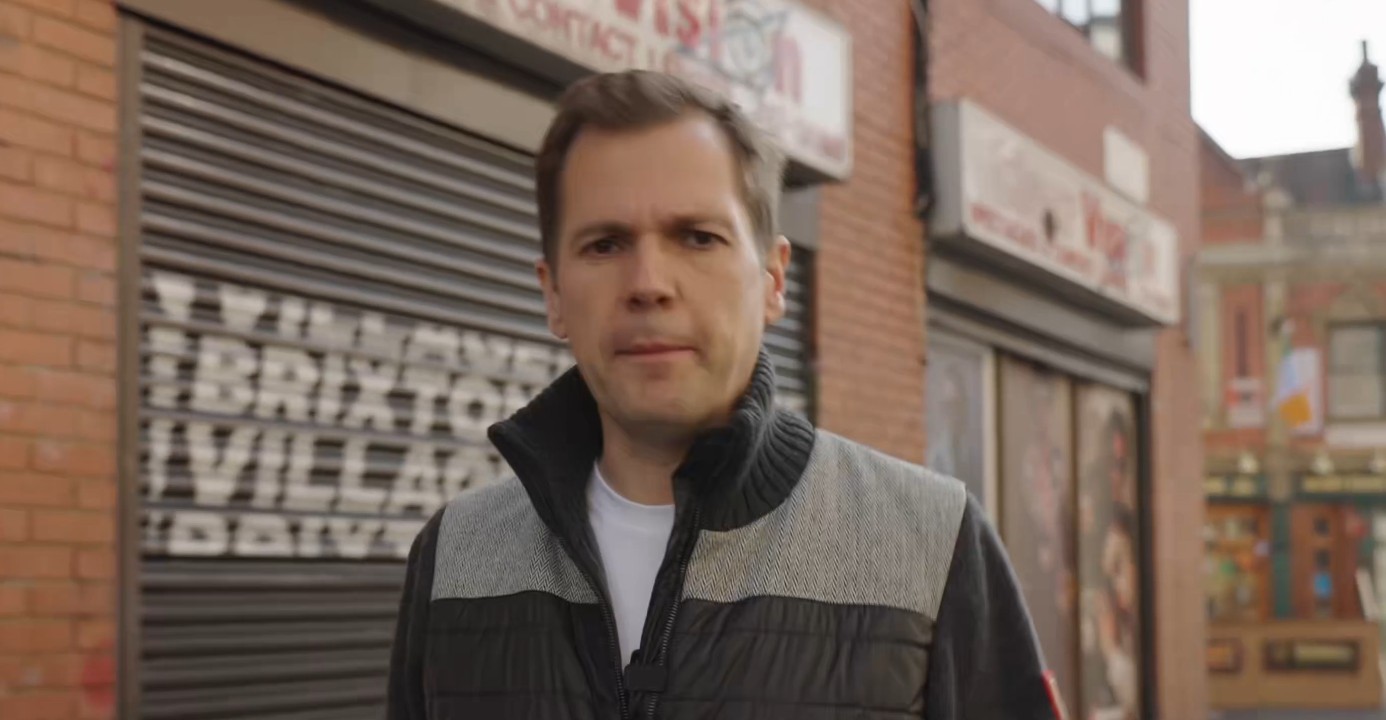
The Cook Report ended in 1999. Now the mantle has been taken up by Reform UK’s Robert Jenrick. He has posted on X a series of videos in which he confronts thieves and fare-dodgers, stating boldly that “if no one else will confront them, I will.” The Newark MP is tapping into a vein of public frustration with low-level crime and disorder, highlighting the lackadaisical attitude of the police and — in the case of shoplifting — the perverse corporate and legal incentives which discourage bystanders and shop staff, even security staff, from intervening.
Inevitably there has been criticism. Some opponents leveled the charge of hypocrisy, dredging up allegations of corruption from Jenrick’s time in government. Others tutted about vigilantism. There clearly remains a vague sense that this sort of thing should be left to the proper authorities. It is hard to escape the feeling that for the ruling Left-liberal powers and their media outriders, being concerned about crime — especially so-called “petty crime” — remains vulgar and unsophisticated. Right-wingers focused on public order are frequently derided as the “hang ‘em and flog ‘em” brigade.
However, Jenrick is entirely justified. It might have been reasonable, half a century or more ago, to make high-minded pronouncements about letting the police do their job, and to view senior politicians chasing ne’er-do-wells through Brixton as a bit excessive. But the world has changed. The traditional mechanisms by which low-level crime was addressed and contained — policing, shared moral and cultural expectations, social sanctions — are breaking down.
The early release from prison of thousands of criminals has cemented a feeling that the authorities are losing control. The growth of a litigious culture centered on human rights, and a maximally intrusive interpretation of health and safety laws, has created enormous barriers to the kind of rigorous action against day-to-day crime that is an important part of a civilized society. Retailers calculate that it is cheaper to absorb losses from shoplifting than to risk being taken to court because an employee was injured trying to apprehend a thief. Transport for London accepts fare-dodging because it is just too risky, on several fronts, to back their staff in aggressive action against barrier-jumping. The police can only do so much, and they too are hobbled by a vast superstructure of political interference.
For a politician in a popular mainstream party to take up the cudgels against “scumbags” — Jenrick’s own word — is therefore very welcome. It is wildly unrealistic to just expect people to tolerate a level of persistent lawbreaking that makes their lives noticeably worse and leaves them feeling unsafe. What Jenrick is offering is the prospect of a state that once again takes the side of the law-abiding, the peaceful, the orderly — the people who do the right thing and want to maintain a free and civilized society. And he is doing it in a way that resonates with modern voters: short-form video, punchy and direct. It is the purest establishment snobbery to deride these efforts.
Whether Reform really has all the answers is a separate question. The current malaise has many contributing factors. But how refreshing it is to see someone tackling the problems head-on.
