









July 15 2026 - 4:00pm
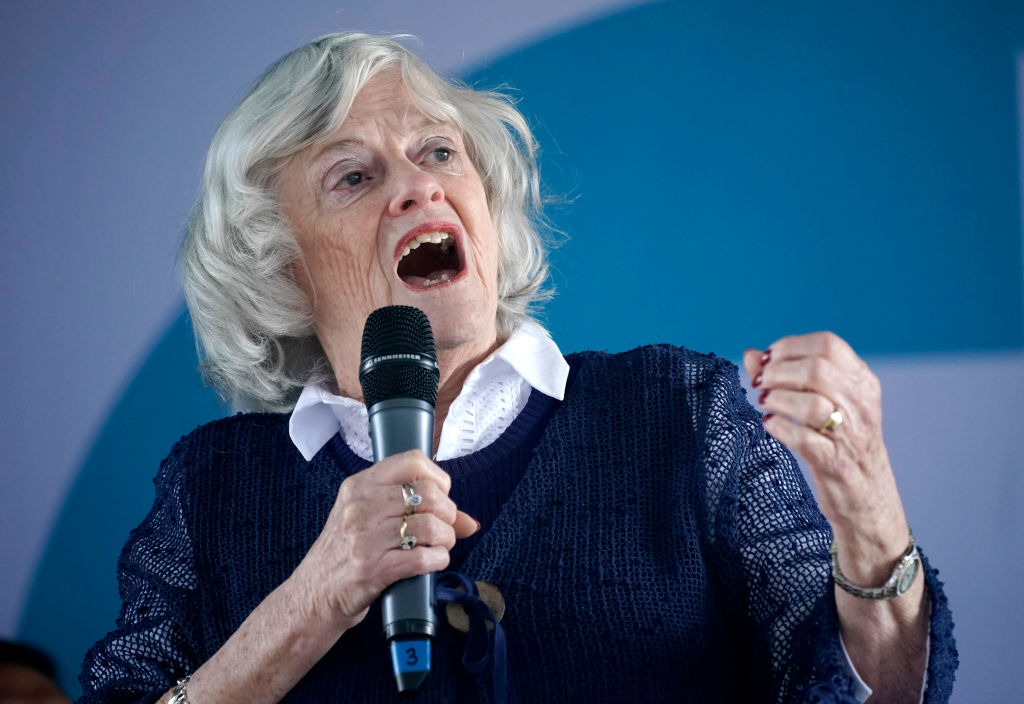
Monday’s House of Commons proceedings included a debate designed to pay tribute to Ann Widdecombe, whose death last week is currently being investigated as murder. It was an opportunity for MPs to set aside politics and honor a former colleague. Instead, one after another, they rose to their feet and engaged in the political classes’ standard trauma response: attacking social media.
Labour MP Diane Abbott set the tone, calling for tech companies to be held “more accountable” for online abuse. It was, as ever, a curious intervention. Laws already exist to tackle such abuse, and there was no evidence that Widdecombe’s killer had been radicalized by — or had even used — social media. Nevertheless, the starting pistol had been fired, and the dogs were off.
Former Tory leader Iain Duncan Smith was next, demanding ministers force platforms to crack down on the “visceral, violent language” aimed at politicians. Such rhetoric, he argued, was “the root of violence and death”. Home Secretary Shabana Mahmood agreed, insisting that both the Government and society must hold social media companies to account.
By now, the familiar script had been hauled out, with the usual state-mandated tutting about “algorithms”, “tech companies”, “online hate”, and “accountability”. The quiet respect that usually marks a Westminster wake vanished. In its place was a dreary Monday morning school assembly about “cyberbullies”. Quite what any of it had to do with Ann Widdecombe was left as an exercise for the listener. There are accurate and worthwhile criticisms to level at these platforms. But politicians talk about social media crackdowns the same way normal people discuss bin collections and the weather: as a natural, mindless reflex.
These “tributes” brought back reminders of responses to the murder of Conservative MP David Amess five years ago. In the aftermath of the fatal attack, politicians proposed “David’s Law” as a means to end online anonymity. Like other “name laws” brought forward in the wake of tragedies, it was a classic knee-jerk response, trading evidence for emotion and daring critics to oppose something named after a murder victim. While David’s Law quickly fell by the wayside, similar legislation may well take shape soon in response to Widdecombe’s death.
For all their flaws, social media platforms still serve a vital purpose in embarrassing the British state. Stories the chattering classes would prefer to ignore, from the Boriswave to the grooming gangs and the murder of Henry Novak, have gained fresh urgency in mainstream discussion thanks to online pressure. These platforms make it far harder for governments, quangos and police forces to bury their scandals and failures. Like, for instance, when the police arrest the wrong man, refuse to release a description, rule out terrorism, then hand the case over to counter-terrorism officers.
Social media has also proved better at paying tribute to Widdecombe than Parliament. Since her death, X has been filled with clips and memories of her life. One, now semi-viral, captures her at a 2019 Oxford Union debate opposing the motion “We Should Support No Platforming”. “Nobody has the right to live their lives being protected from offence, or from insult or from hurt feelings,” she declared. “It is an occupational hazard of living in society… And if you really can’t take it, become a hermit.”
By comparison, Monday’s Commons contributions mostly consisted of establishment peacocking, a chance to rattle sabers ahead of the inevitable new online safety laws. Considering that her political career was spent championing free speech, she would likely have hated that.