









June 9 2026 - 1:00pm
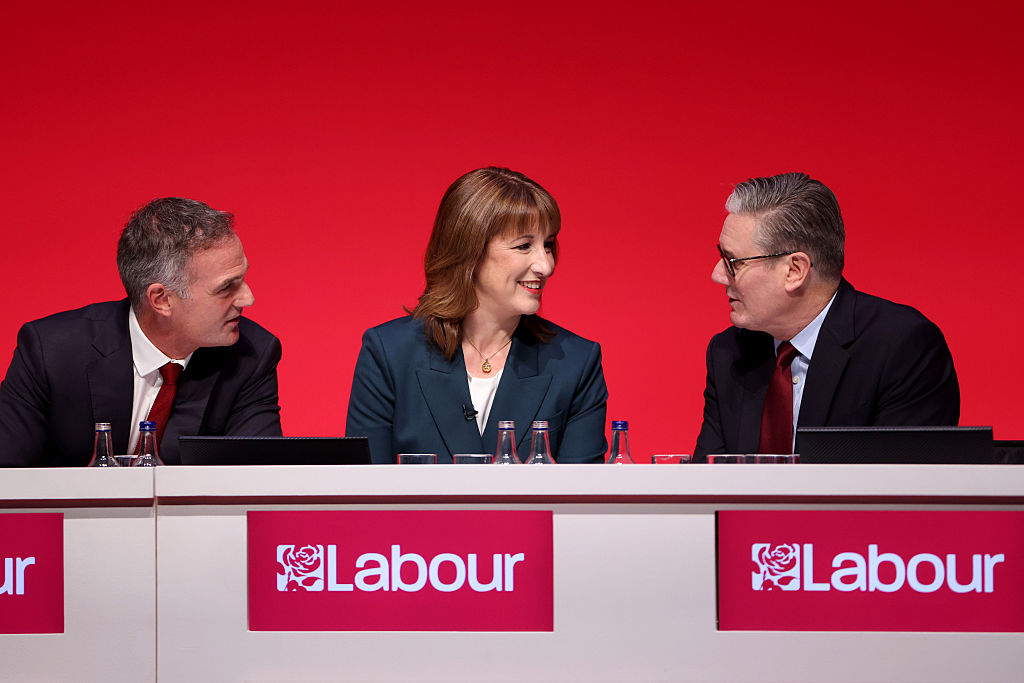
Business Secretary Peter Kyle has said that he plans to “aggressively” take stakes in British businesses to reverse the “brain drain” that has resulted in some of the country’s most innovative firms being sold overseas. Kyle will need thick skin, because this new corporatism will provoke a wave of criticism from opposition parties, the media and many in business.
Two words haunt any attempt by a government that wants to invest in UK businesses: British Leyland. The ultimately doomed automotive company, effectively nationalized by Labour in 1975, has become a byword for the dangers of the state trying to support the development of national champions. British Leyland was badly handled, but another two words should give Kyle confidence in his strategy: Rolls-Royce. Saved by the state in 1971, Rolls-Royce was restructured and is now the cornerstone of the country’s aerospace and defense industry, turning over £20 billion a year, employing nearly 20,000 people in the UK, and spending £2 billion in domestic supply chains. It is also about to become the manufacturer of the UK’s small modular nuclear reactors, central to the nation’s energy independence.
The Government has been forced into action because of the steady erosion of British capitalism. According to the latest available data, 56% of the UK’s largest businesses (with turnover above £500 million) are foreign-owned. This ownership is concentrated in the most productive sectors such as manufacturing and technology, where Britain is banking on its future growth.
For decades, the establishment position has been “who cares who owns these businesses?” This complacency has cost us dearly. From 2015 to 2024, foreign companies have earned £694 billion from their UK holdings. Over the same period, only £34 billion has been reinvested back into these firms, equating to roughly 5% of the total earnings. This dependence on international capital to finance British businesses is why the UK has consistently recorded one of the lowest levels of capital investment in the G7.
It is not the job of international investors to make Britain prosperous: the blame should rest solely on this country’s leaders. They continue to export vast sums of capital overseas, chasing easier profits while starving British businesses of the cash they need. The Business and Trade Committee’s latest report on the UK’s persistent underinvestment, published last week, indicates that small- and medium-sized businesses are facing a financial shortfall of £15-20 billion a year. This is before factoring in the needs of potentially high-growth tech businesses, which will likely add tens of billions more.
Politicians should be bolder in directing pension funds to hold more shares in UK firms, as well as expanding tax incentives for Britons who invest in home-grown businesses. Yet taking stakes in UK businesses is not in itself a strategy. These companies are being squeezed by a trade war between the US, EU and China. All three are pursuing aggressive protectionist strategies, backing their businesses not just with capital investment but with tariffs, subsidies, cheap energy and favorable state procurement regimes. The dominance of US tech businesses and Chinese manufacturers has belatedly converted the Government to the importance of domestic ownership, but Kyle is engaging in half-measures. Backing British businesses requires buying from them, co-investing with them and maintaining their profitability.
The Government should be careful not to be dragged into the operational day-to-day. This was the mistake of the postwar period and led to overmanning in many parts of the economy, such as the automotive sector, as politicians tried to use these businesses as shortcuts to reduce unemployment. In the end it created a moral hazard where firms were encouraged to push for more Government support to compensate them for the decisions they believed were being forced upon them.
However, the greater danger is not that the Government does too much but that it does too little. Britain cannot sit back and hope that businesses will navigate these global trade tides on their own. This approach will leave the country with all the downsides of ownership and none of the upsides, as businesses struggle to grow. The rules of the global economy have fundamentally changed, and the UK needs to wise up.
Andrew O’Brien is the former Director of Policy at the think tank Demos and currently Head of Secretariat of the Independent Commission on Neighbourhoods. He writes in a personal capacity.
 ADOBrien88