









June 2 2026 - 1:00pm
They don’t make them like they used to. It wasn’t long ago that we had John “Two Jags” Prescott as Deputy Prime Minister, famous for punching a man who threw an egg at him during the 2001 election campaign. Improbably, in 2003 he also promised Britons a continental-style “urban renaissance”, with new laws giving councils the power to refuse licenses to serve booze in pubs, bars and shops. “Bologna in Birmingham, Madrid in Manchester, why not?” went the slogan, with the image of us all relaxing in a “café bar where people drink at a steady pace”. We have since lost Prescott, but have we also lost city centers such as London’s Soho to this very legislation?
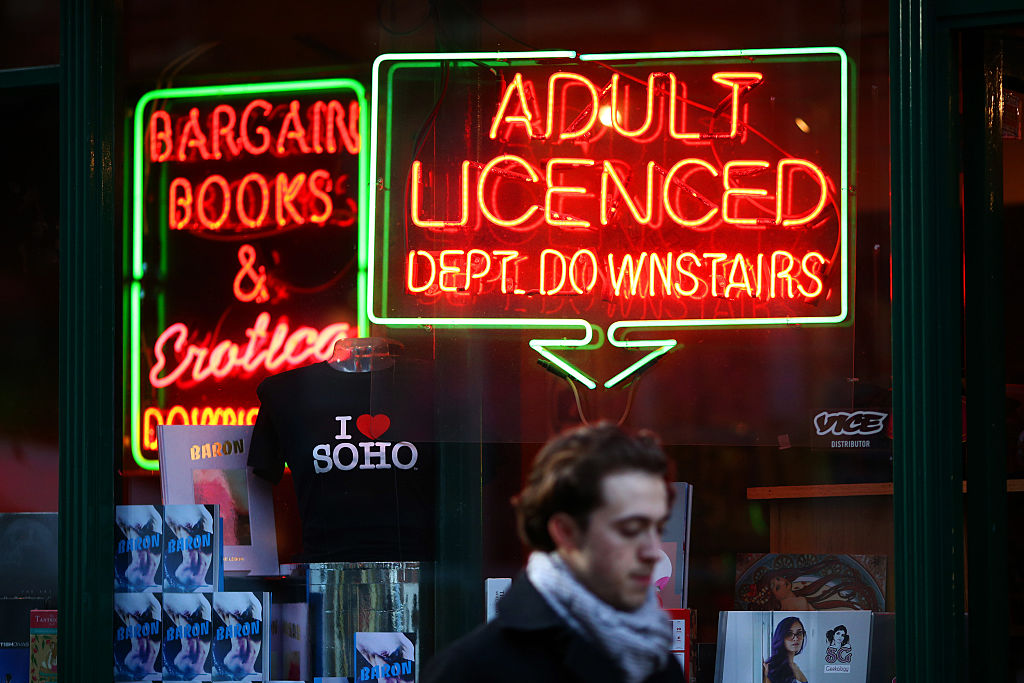
The Soho Society, a residents’ association founded in 1972, has been in the news in recent days for voting at its AGM to object to all new or renewed bar and restaurant licenses. It claims to be preserving the character of Soho, which members say has seen an increase in noise, crime and litter. But that is exactly what Soho is: sex, booze, cabaret, good grub, bad behavior, actors, dancers, artists, spivs, and the downright weird.
From personal experience working in Soho, the story these people tell is humbug. The Society is made up of shameless Nimbys who have always objected to everything. One operator describes them as “mafia-like”. Their objections cost businesses thousands of pounds, while costing themselves nothing. Last year, a proposed gin distillery was accused of being an explosion risk, a claim refuted by the London Fire Brigade. But the business ended up with £44,000 in legal costs. Society chair Tim Lord refused to apologize, saying members had “bonded” over the challenge.
I worked for a gelateria that wished to sell the occasional Campari-spiked espresso. It wasn’t exactly a vertical drinking venue, but naturally the Society objected. We went to court, spent tens of thousands of pounds, and afterwards were only allowed to sell sealed bottles of Italian wine for takeaway. The Society wields power to stymie everything.
But the Society’s members are not the real villains. Or, at the very least, they are not the most interesting ones. Of course residents object: that is what they do. Yes, their objections are obsessive. But the real question is not how they use the power they have, but why they have it in the first place.
The Licensing Act 2003 tried to triangulate freedom with Nimbyism. Tessa Jowell, Culture Secretary at the time, said paternalistically: “Adults should be trusted to make their own decisions […] But yobbish behavior will be punished hard and swift.” Yet café culture never arrived, and in its place came curtain-twitching. Local authority licensing boards were to “be given power to accept residents’ sworn evidence of nuisance”. Residents were awarded statutory standing as “interested parties” in other people’s opening hours. Naturally, Westminster Council sprinkled its own dreary seasoning over this: cumulative impact zones, core hours, and a presumption against anything new, or anything late at night that gives Soho its identity.
So the promised Blairite liberalization failed. Instead, a culture of reporting on one’s neighbors arose. A restaurant source told me that the Blue Posts on Berwick Street had to hire a security guard because a Housing Association resident with a camera was reporting every incident of someone stepping outside a roped drinking area to the council. Once, a doorman’s job was to keep out gangsters, drunks and chancers. Now it is to keep customers out of magistrates’ court evidence.
The reason why the Soho Society and other similar groups have this power is that we gave it to them. If we truly prioritized nightlife, we would not have this law to begin with. But the bleakest detail is still to come. The Soho Society is part-funded by Westminster Council. So the very people with the power to nurture the area help fund the residents trying to stymie it. Soho may have lost its edge but, even worse, so have we.