









May 14 2026 - 7:00am
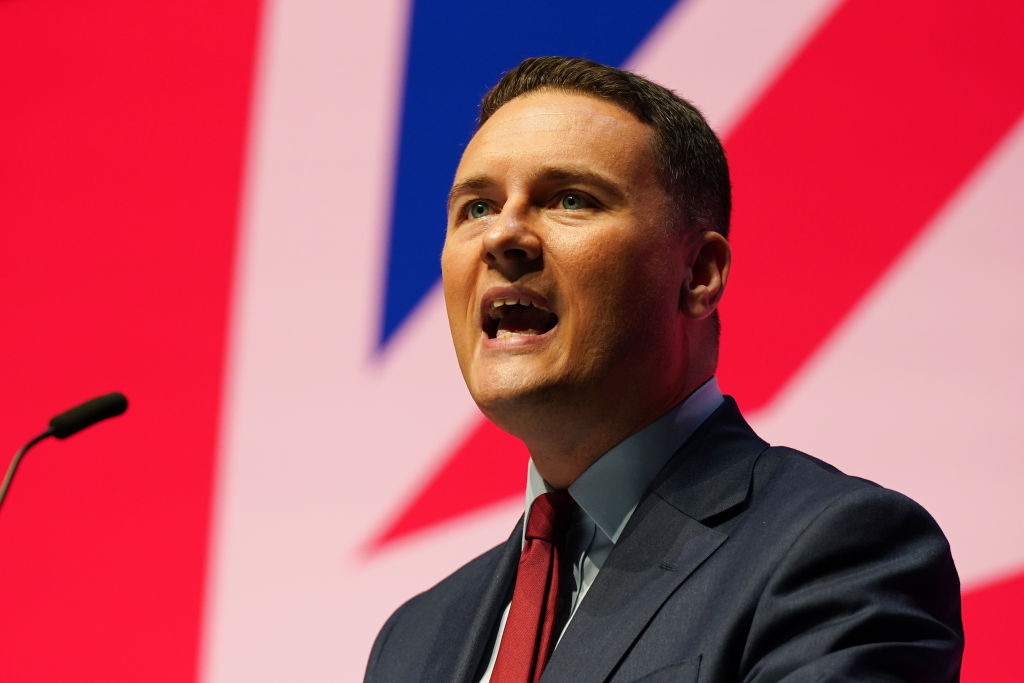
It’s on. Wes Streeting is set to resign from the Cabinet and challenge Keir Starmer for the leadership of the Labour Party.
Of the four leading candidates to replace Starmer, Streeting is by far the best qualified. Unlike Angela Rayner, he has the basic level of ability required for the post. Unlike Ed Miliband, he hasn’t already been rejected by the British electorate. And unlike Andy Burnham, he doesn’t need to fight a risky by-election to get back into Parliament. Most importantly, Streeting is Labour’s last best hope for escaping its own ideological stagnation.
For instance, it’s difficult to see any of the other three dropping the ludicrous ban on new North Sea oil exploration from the ironically named Energy Independence Bill. Streeting, however, is further to the Right of all those potential candidates and might just have the intellectual courage to pursue a serious push for economic growth.
That, however, is the very factor that’s most likely to undo him — because it puts him outside of the party’s most powerful faction: the so-called soft Left. This category goes back to the Seventies and Eighties when Labour was split three ways. At first, the ruling faction was the old Labour Right led by Jim Callaghan and Denis Healey. They were opposed by the hard Left, which was led by Tony Benn. The soft Left was somewhere in between — avowedly socialist or social-democrat, but pragmatic enough to cooperate with the Labour Right and resist the extremists.
The soft Left emerged triumphant. In 1980, Michael Foot beat Healey to replace Callaghan, and then saw off Benn too. From that point, a succession of soft-Left leaders — Neil Kinnock, Gordon Brown, Ed Miliband and Keir Starmer — have dominated. There have been interruptions and complications along the way, but it is this sequence that reflects the essential character of the Labour Party, while simultaneously leading it to the brink of ruin.
Kinnock confronted the hard Left but kept losing to the Tories. Brown constantly undermined Tony Blair and ultimately wrecked the New Labour project. Miliband stood against his more popular Blairite brother, David — and then accidentally allowed Jeremy Corbyn to win the leadership. Soft-Left rule was restored under Starmer, but he has lost Labour’s traditional working-class support to Reform UK and whole sections of the Labour Left to the Greens.
It’s a disastrous legacy, and what underpins it is a lie: the idea that progressive social policy and a generous welfare state can be sustained in an age of low growth and mass immigration. Nothing, no matter how tentative, can be allowed to intrude on this delusion. This is why Streeting’s leadership bid will be resisted.
Assuming that Streeting gets the required 81 nominations from MPs, there are two main ways of stopping him: if Starmer decides to contest the election, as he is entitled to, then the soft Left could rally around the incumbent. Alternatively, they could put up an alternative candidate, and would have to if Starmer decides to step down.
Not having had the guts to challenge Starmer publicly, either Rayner or Miliband could get the chance to run on a “Stop Streeting” ticket for the leadership anyway. They’d almost certainly succeed.
The hard Left is conventionally seen as the main threat to Labour’s electability. But as the party keeps proving, one is more likely to get stuck in something soft.
Peter Franklin is Associate Editor of UnHerd. He was previously a policy advisor and speechwriter on environmental and social issues.
 peterfranklin_