









May 7 2026 - 12:30pm
This week, the US Food and Drug Administration approved fruit-flavored nicotine vapes. Media reports suggest the move followed pressure on Commissioner Marty Makary from President Trump, aimed at energizing young MAGA voters.
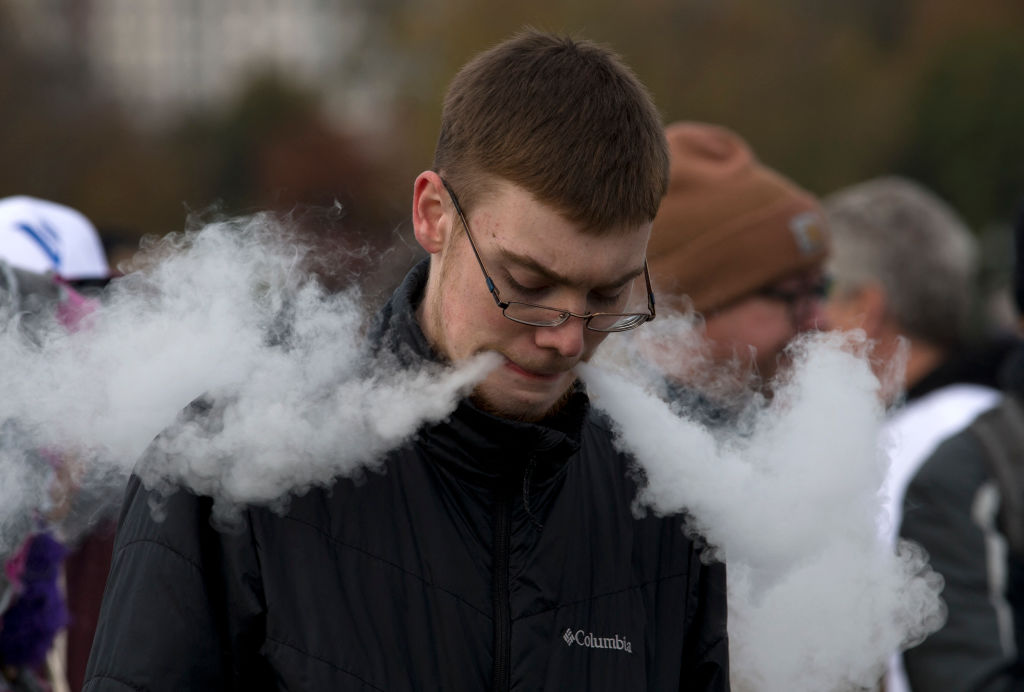
Fruit vapes have a very specific demographic appeal: kids. Just look at a 2023 study from researchers at the University of California, San Francisco and the California Department of Public Health. Their data, from a sample size of more than 2,300 12 to 17-year-olds, found that fruit or sweet flavors in a nicotine vape induced “willingness to try” the product among 21% of minors who otherwise don’t use vapes or marijuana, as opposed to just 4% with unflavored. That’s a more than fivefold increase.
Meanwhile, a 2020 study from CDC and FDA researchers found that “among all current e-cigarette users, 82.9% used flavored e-cigarettes, including 84.7% of high-school users (2.53 million) and 73.9% of middle-school users (400,000).” So the data is stark: flavored vapes drive adolescent use and dominate among that demographic.
Companies add those fruit flavors to vape products in the hopes of building out a future customer base. Witness Juul sending a representative into a ninth-grade classroom to assure kids that their products were safe. Or a manager at the company telling the New York Times that management “suspected it was teens” driving their surging sales.
Commissioner Makary, per the Wall Street Journal’s reporting, was well aware of these risks, which may explain his initial resistance to taking pro-vape action. Indeed, Trump himself is aware of them. Recall that in 2020 his administration announced a ban on flavored vape cartridges — like those which Juul produces — precisely because they posed a risk to young people. Unfortunately, the President’s concern over mobilizing the MAGA youth vote in November and in 2028 seems to have overridden the science here.
A theme is emerging. Even as the Office of National Drug Control Policy puts out a drug-control strategy that emphasizes the harms of commercialized high-potency marijuana, for example, the substantive policy effort from the wider administration — moving weed from Schedule I to Schedule III — ensures that that commercialization will continue and increase.
So too with Trump’s recent executive order on psychedelics, driven largely by the need to satisfy the Joe Rogan voting bloc. The science backing psychedelics as radical “therapies” is weak; directing the FDA to fast-track them as treatments represents a major risk to public health.
Vapes may be less harmful than cigarettes, and there may be a place for them in the quest to reduce the risks of cigarette addiction. But even 10 years ago, data was emerging suggesting that among adolescents, vapes may in fact drive cigarette use: a 2016 study from the University of Michigan found that among youth who had never smoked a cigarette by 12th grade, recent vapers were over four times more likely to report past-year cigarette smoking during follow-up.
All of this suggests the FDA decision is likely to encourage vaping and potentially cigarette use among young people. It also sends a tacit signal to the vape industry that its modern-day Joe Camel-style marketing has high-level approval.
Combined with mixed messaging on marijuana and other drugs, the US may be edging toward a deeper polysubstance addiction crisis. The warning signs are staring us right in the face.
 KevinSabet