









April 23 2026 - 6:00pm
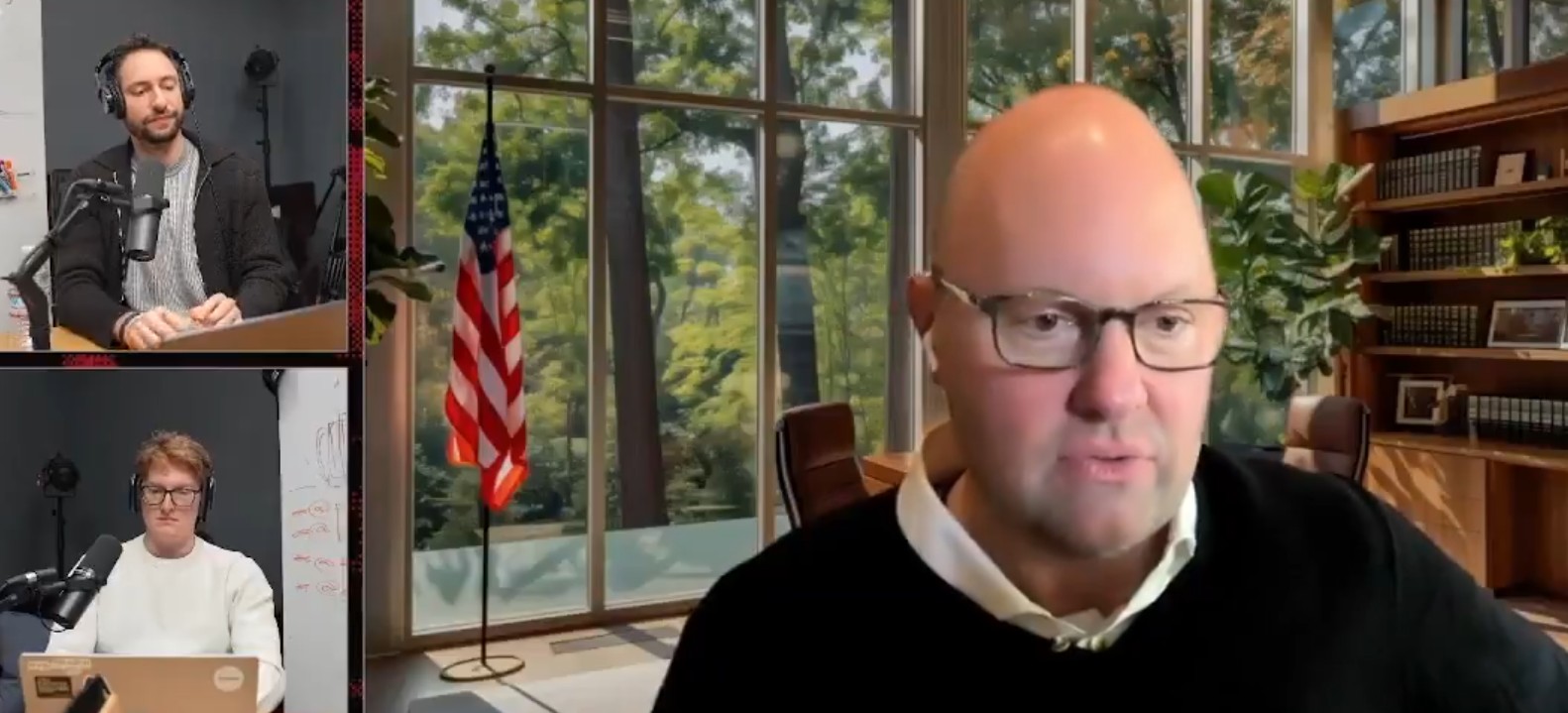
What happens when Twitch-style streaming meets doomscrolling on X? The answer, apparently, is MTS. Backed by the Silicon Valley billionaire Marc Andreessen, MTS is a 24/7 X livestream that “monitors the situation” across tech, finance, geopolitics and online culture. It promises to be a one-stop shop for OSINT updates, 10,000-word anon posts, and, of course, memes (including its own name).
That’s the hope, anyway. So far, MTS has produced several lengthy streams to varying degrees of quality. Technical glitches, audio problems and awkward pauses abound, but the bigger problem is what the show adds to what’s already out there. Strange as it may seem, watching people doomscroll on X does not make for particularly edifying content. Nor do the rambling, unfocused discussions that follow in the absence of any real-time constraints.
The hosts do their best to lean on an eclectic range of interviewees, including sex worker and blogger Aella, disgraced investor Martin Shkreli, Semafor founder Ben Smith, and Bitcoin enthusiast Balaji Srinivasan. Some of these conversations have genuine flashes of insight, such as Taylor Lorenz’s explanation of why the Left lost its techno-optimism. Others, however, sound more like the stilted conversations typically heard in icebreaker sessions at a corporate retreat.
What’s worse, guests can only speak for so long. The remaining hours fall to the hosts, who pad them out with extended intermissions and “timeline recap” segments — essentially live-scrolling X for content. They insist they can “scroll the timeline better than any of you ever could,” offering as proof an AI-generated clip of Franklin Roosevelt calling for an “alignment New Deal”. In the same segment, they read out a Babylon Bee headline, pore over maps of West Virginia’s historical territorial claims, and cue up an advert from a Swedish AI firm. Scintillating stuff.
It is a long way from what Marc Andreessen hopes will be the 21st-century answer to CNN. In a recent MTS interview, Andreessen revisited CNN’s breakthrough moment during the 1991 Gulf War, when audiences were “glued” to their televisions around the clock, giving rise to what he described as “randemonium”. “The idea was,” writes Erik Torenberg and Brent Liang, “whatever the Current Thing happening in the world, put it on CNN full time, cover it from every possible angle, and keep it running until a more important Current Thing comes along.” MTS aims to replicate that model in digital form, which, they argue, is easier than CNN because “there’s always something happening on X.”
MTS missed out on its Gulf War moment by launching the show two months after Iran was bombed. But even if the ceasefire agreement collapses, the key difference between today and 1991 is that the media ecosystem is much more fragmented now. In that context, MTS is not competing to become a modern-day CNN so much as one more layer in a saturated attention stack, competing with influencers, aggregators, OSINT accounts, and breaking-news bots. With little added interpretation or authority — a recent segment featured a host reading out Tim Cook’s Wikipedia entry after he left Apple — it will struggle to distinguish itself. Unfortunately, monitoring the situation is not enough.
