









March 28 2026 - 1:00pm
One of the last taboos of the British Museum establishment has been broken. Earlier this week, Culture Minister Lisa Nandy proposed that the Government would “explore” the recommendations of a report suggesting public museums should charge entrance fees for foreign visitors. This is a sensible first step, but it doesn’t go far enough in fixing the crisis in funding for Britain’s public museums and arts centers.
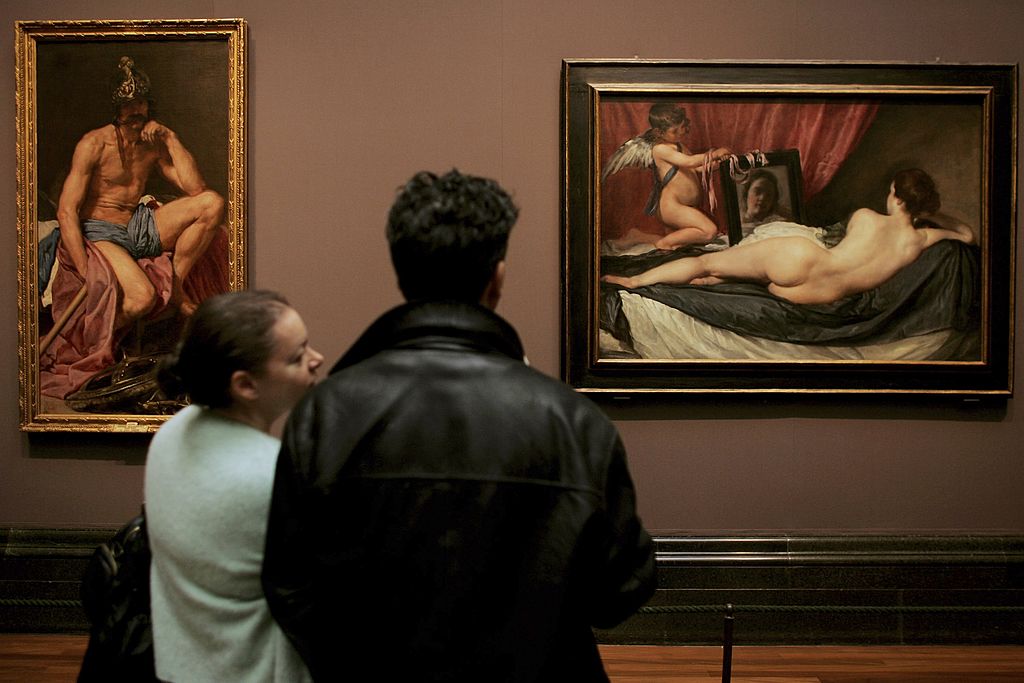
Last month, the National Gallery in London announced that it would cut programs and staff in the face of an £8.2 million shortfall. Then, this month, the National Audit Office published a mealy-mouthed report conceding that some of the country’s biggest institutions and attractions — which are directly funded by the Government — faced “financial risks”. And that is even with the pitifully low salaries they pay their curators (£35-50,000) and assistant curators (£25-30,000), which has, among other grievances, brought Tate staff out on strike.
However, none of this seems to have given Britain’s stuck-in-the-mud museum directors second thoughts.
For decades, free public entry to museums has been a sacred tenet of the country’s cultural establishment. Last week Maria Balshaw and Tristram Hunt, the directors of the Tate and V&A respectively, declared themselves against the idea of charging entrance fees. Artist Tracey Emin argued that rich people should stump up. There has been growing consensus in favor of a tourist tax, as occurs in dozens of countries around the world. But the drawback of this approach is that the revenue is divided between many worthy causes. It would never solve the museums’ problem, as Nandy has recognized.
The arguments against museum charging have long been completely bogus. Directors worry that numbers will go down. If you point out that the Tate, British Museum or National Gallery are always rammed with crowds, they say entrance fees will deter “disadvantaged” and “marginalized” people from coming. If you tell them that those people seem to be able to afford Netflix and Sky subscriptions every month, they come back at you with the idea that the art in their museums was gifted to the nation and is funded by the taxpayers.
If you respond to that by pointing out that the Tower of London and Buckingham Palace charge entrance fees and so do most major museums around the world, they tell you that the contents of their museum, usually visual arts, are a special case. If you tell them that is an “entitled” attitude — why should their culture be free while, for example, film culture at the BFI is not? — then your invitations to gallery dinners dry up.
As it is, visitors to British museums pay stealth entrance fees through the £8 sandwiches in the cafés, £30 t-shirts in the gift shops, and outrageous prices for tickets to special exhibitions — £24 to see the Turner & Constable show at the Tate Britain, say. We don’t have to charge extortionate fees, but a small charge seems reasonable.
Of course, there are limits. Everyone under 18 should be allowed to enter for free. Smaller regional art centers should remain free, because they really will lose visitors if they charge. But there is one reason above all why museums should charge entrance fees, and it has nothing to do with their budget problems. Funding from visitors will offset the influence of billionaire donors, who often seek to manipulate museum collections with their “gifts” — and the influence of turgid, box-ticking arts council policymakers — and create a more pluralistic and independent museum sector which better serves the public. Let’s finally make an effort to reset the funding of Britain’s museums in a way which is more than a financial lifeline, and gives them a new lease of life.