









March 10 2026 - 7:00am
The NHS’s decision to pause new prescriptions of cross-sex hormones to 16- and 17-year-olds comes with an important admission. According to NHS England, an extensive review of the impact of testosterone and estrogen on young people “does not support the continued use” of such drugs.
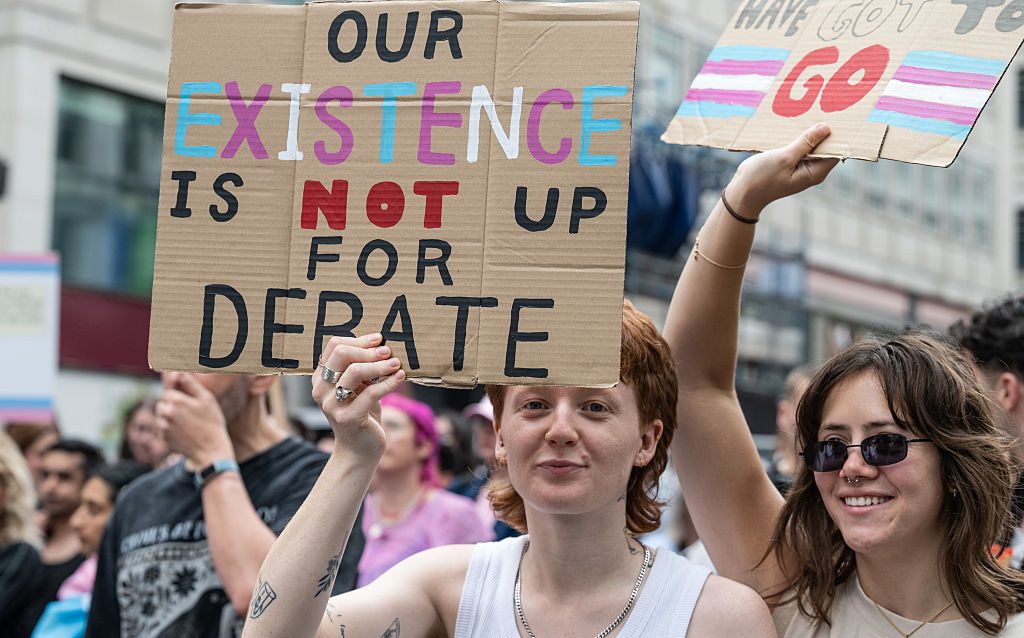
“We cannot say if they are harmful or effective,” acknowledges Professor James Palmer, National Medical Director for Specialized Services at NHS England. In other words, under-18s with “gender dysphoria or gender incongruence” have been given powerful, life-altering substances by doctors who simply didn’t know what the outcome would be. A 90-day public consultation will start next Monday to look into the draft legislation before being formalized into law, and activists are already up in arms. One advocacy group, TransLucent, has called it “yet another blatant act of discrimination against transgender youths’ healthcare”.
This hyperbolic reaction is an indication of how the NHS came to take foolish, unevidenced decisions in the first place. A fear of upsetting activists has led to a widespread acceptance of the language of an unscientific ideology, while overlooking potential harm to patients.
Terms such as “gender-affirming” are all over the NHS website, which hasn’t yet been updated to reflect the newly-announced pause in prescribing hormones to under-18s. It attaches outdated stereotypes to young people who “might feel their physical appearance does not match their gender identity”, a distinctly unclear term.
This is also because “gender-affirming” is a term which has no clear definition. The NHS claims that “treatment for gender dysphoria aims to help people live the way they want to, in their preferred gender identity or as non-binary”. What it actually meant, before the announcement, was life-altering treatments carried out at ages where children don’t really understand what they’re feeling. As a result, some boys were given estrogen to develop breasts and girls testosterone to lower their voices. But, fundamentally, a 17-year-old boy with breasts is still a boy.
What’s happened to the NHS, under pressure from trans activists, is indefensible. The idea that “gender dysphoria” represents a genuine mismatch between biological sex and “gender” has gone unchallenged for far too long. It’s not unusual for anxious teenagers to hate their bodies, and some may need sympathetic counseling to establish why that is. What they don’t need is to be told that the NHS has a duty to affirm their feelings — in this case, prescribing drugs that will give their bodies some characteristics of the other sex.
Following the publication of the Cass review, the NHS has been forced into a series of announcements, including halting the prescription of puberty blockers to children. The pause on cross-sex hormones is welcome, but it doesn’t go anything like far enough. The practice of medicine should never have been warped by such unscientific ideas, especially not in a service funded by public money. Health Secretary Wes Streeting needs to acknowledge that the era of extreme medical treatments for children was wrong. He then needs to assure us that gender ideology will be expelled permanently from the NHS.
Joan Smith is a novelist and columnist. She was previously Chair of the Mayor of London’s Violence Against Women and Girls Board, and is on the advisory group for Sex Matters. Her book Unfortunately, She Was A Nymphomaniac: A New History of Rome’s Imperial Women was published in November 2024.
 polblonde