









Nov 15 2026 - 1:00pm
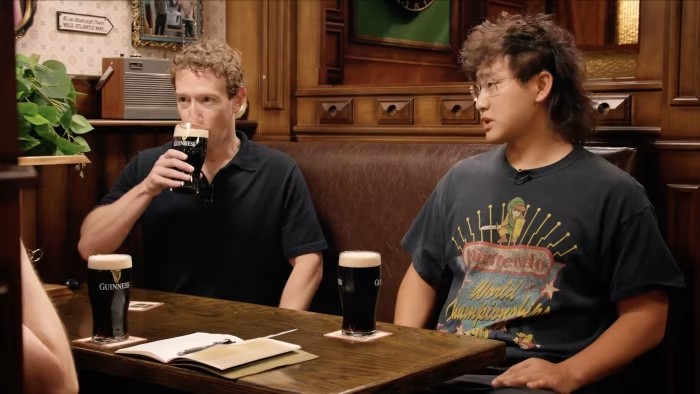
Seeing someone order a pint of Guinness is said to make you far more likely to order one yourself. It is hard to beat the magic of the bubbles settling to produce the distinctive black and white of a perfectly poured pint. For a beer drinker, it is as irresistible as the smell of frying bacon. Over the last two years, that iconic image was everywhere. You couldn’t look at your phone without seeing pictures of people’s Guinness pints or videos of them “splitting the G”. Celebrities such as Mark Zuckerberg were filmed drinking Guinness, though the Facebook founder didn’t seem to enjoy his.
But it seems we are falling out of love with the black stuff. According to Diageo, which owns Guinness, sales fell by “low single digits” over the summer. It has brought an end to a period of unprecedented growth for the brand. From making up around 9% of pub sales in the UK in 2022, it had jumped to 17.5% by 2025. At one point there was even a shortage of Guinness, though this owed as much to clever publicity as to genuine supply problems.
During that period, the country seemed to go Guinness crazy. There were earnest discussions about the correct ratio of nitrogen to carbon dioxide, driven by the success of the upmarket Soho pub The Devonshire, run by Oisín Rogers. The truth is it’s all nonsense. Guinness is just Guinness: as long as your landlord keeps the pipes clean and serves plenty of the black stuff, your pint will taste fine. The settling period looks visually appealing, but it has no bearing on the taste of the drink itself. But Guinness — and I know this will be heretical to many — is quite dull. I’ve often ordered a pint only to be struck by how dull it is: nothing like the roasty, bittersweet treat I imagine it to be. Mark Zuckerberg was right to pull a face.
There may be other explanations for the decline, including an unusually hot summer (Guinness is traditionally more of a cold-weather drink). But the brand has other problems, too. It now has rivals in the stout department, both traditional ones such as Beamish and Murphy’s, the latter a far tastier brew than Guinness. There are also young upstarts including London Black from the London independent Anspach & Hobday. Our local brewery, the Kentish giant Shepherd Neame, launched Iron Wharf in 2025 as a cheaper stout for its tied pubs. It looks just like the real thing and, to its credit, doesn’t taste any worse.
Don’t forget just how much Guinness grew in the post-Covid period. It went from a niche choice to the most popular order in many pubs. The dull truth is that sales were always going to fall back from such unprecedented highs. The question is how much further they have to fall. The brand has always specialized in brilliant marketing, from those charismatic toucans of the Thirties to the legendary surfer television adverts of the Nineties. One day, everyone will be talking about Guinness again. I’m just not sure when.
Henry Jeffreys worked in the wine trade and publishing before becoming a freelance writer and broadcaster, specialising in drink. He now works as features editor on the Master of Malt blog. His book Empire of Booze: British History through the Bottom of a Glass won Fortnum & Mason debut drink book 2017. His second, The Home Bar, was published in October 2018.
 HenryGJeffreys