









Nov 28 2026 - 1:00pm
Before Brexit-weary Britons fall for the European dream, they ought to reacquaint themselves with the reality. This is the European Union of petty bickering, Byzantine bureaucracy and deadlocked summits — all of which were on show this week in negotiations over the EU’s budget.
Officially known as the Multiannual Financial Framework (MFF), the EU budget determines how much money its various institutions have to spend on agricultural subsidies, “solidarity” funds and other questionable purposes. Because of the need for a 12-month preparation period, time is quickly running out to agree on the next MFF, which covers the period 2028-32. This week’s meeting of the European Council — not to be confused with the Council of the European Union or, indeed, the Council of Europe — was supposed to settle the matter. Instead, the negotiations have acrimoniously broken down.
Of course, EU member states have previously disagreed in public only to reach a compromise at a later date. But this time, a much more serious rift has opened up. The “Frugal Four” member states, which argued for spending restraint in past negotiations, have expanded and rebranded as the “Sensible Seven”. On the other side are the Mediterranean and Eastern European countries that are net beneficiaries of the EU budget. Crucially, this split pits Germany, now leading the Sensibles, against France, which opposes spending cuts while refusing to make a bigger budgetary contribution of its own.
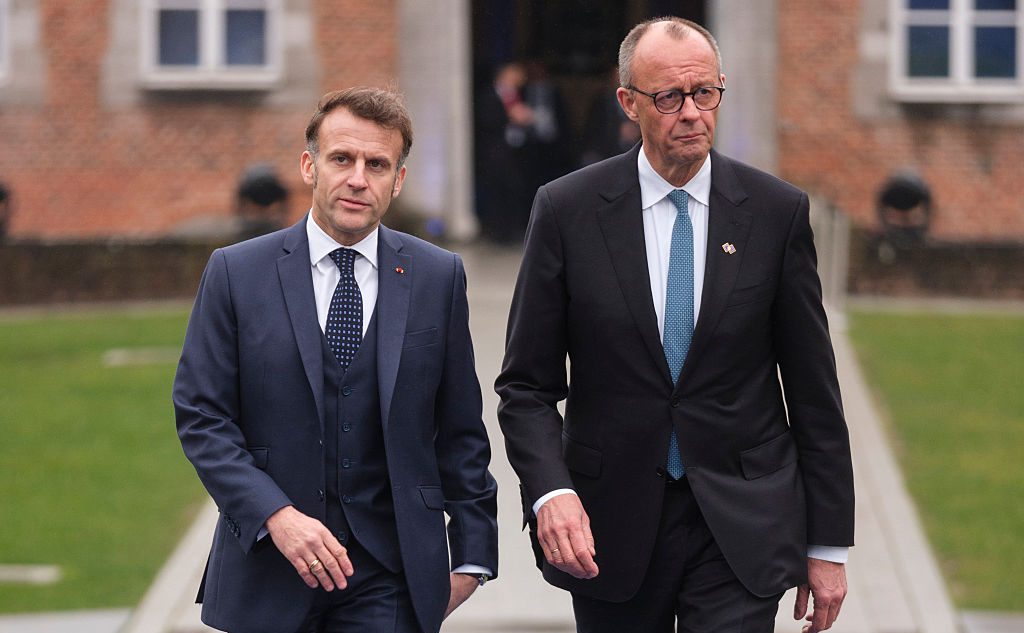
Right now, the French are being extra difficult because of their presidential election next year. In his last few months in power, Emmanuel Macron is desperate to give Marine Le Pen as few political opportunities as possible — hence his opposition to anything that could put the squeeze on French interests. But the threat from the populist Right is pulling German Chancellor Friedrich Merz in the opposite direction: against anything that resembles another transfer from the industrious German taxpayer to the less functional parts of Europe.
Compared to the €2 trillion budget initially proposed by the European Commission, European Council President António Costa is offering a €200 million reduction. But Merz is pushing for deeper cuts — and for greater burden-sharing on support for Ukraine.
After this week’s bust-up, there is another chance for compromise next month, but that would require Merz or Macron to back down in front of their respective electorates. Further attempts could be made next year, but that would be in the thick of the French presidential campaign — making a deal even less likely.
So what happens if there is no agreement? The EU does have provisions for a default budget, which in terms of overall spend would work to the advantage of the Sensible Seven. However, there’s a major downside. As well as wanting restraint, the Sensibles want EU resources redirected to strategic priorities such as competitiveness and border control. In a no-deal scenario on the budget, that’s highly unlikely to happen.
In short, what we’re witnessing is the exact opposite of a dynamic response to multiple, fast-moving threats to Europe’s prosperity and security. This is what the British need to bear in mind as they negotiate their own differences on Europe. The best case that can be made for rejoining the EU is that in these uncertain times we should draw nearer to our nearest neighbors. However, that case collapses if the EU shows itself incapable of acting with the agility and unity required in the face of single-minded aggression. It makes sense to join an army in a dangerous world, but not a brawl.
Peter Franklin is Associate Editor of UnHerd. He was previously a policy advisor and speechwriter on environmental and social issues.
 peterfranklin_