








Nov 23 2026 - 2:00pm
The breakup of the United Kingdom is happening before our very eyes. Surprisingly, the latest threat does not come from an errant border poll in Northern Ireland nor re-energized Scottish separatists. Instead, it is a small Suffolk village that has decided it has had enough.
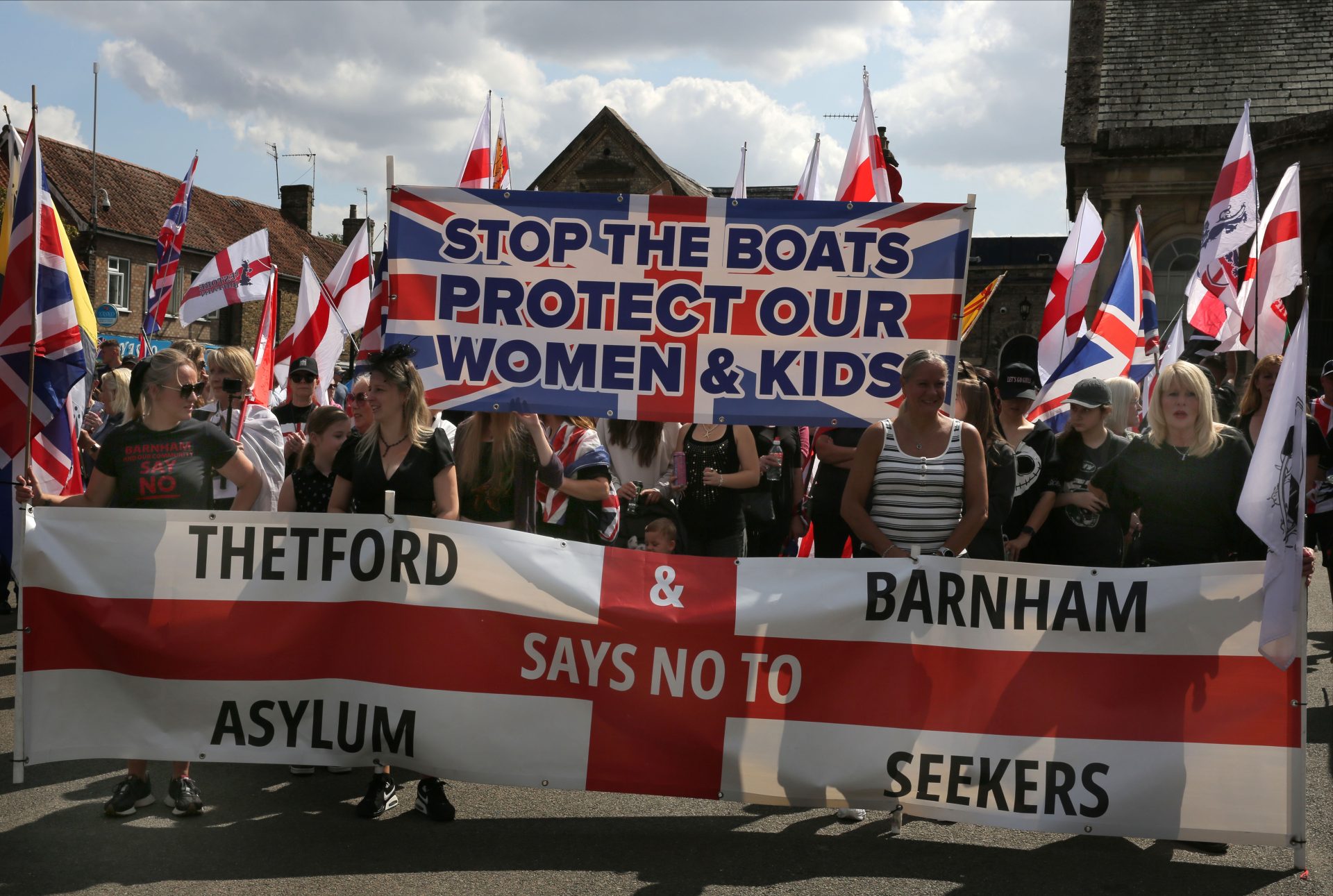
On Saturday, residents of Barnham voted overwhelmingly for independence, in protest against government proposals to house up to 931 male asylum seekers at nearby RAF Barnham. Some 257 people backed leaving the UK, with just 16 against. A new flag was unveiled and the chair of the parish council said the village would declare itself the “Bailiwick of Barnham”.
The vote carries no legal weight, but Barnham is not the first part of rural England to attempt breaking away. In September, residents of Piddington, Oxfordshire, staged their own secession over plans to accommodate more than 1,200 asylum seekers at nearby MoD Bicester. That did not stop the government granting planning permission for the new asylum center this month.
It would be easy to dismiss all this as eccentric England enjoying itself, a mix of protest, parish politics, and Passport to Pimlico. But it would be foolish for Andy Burnham to brush aside these theatrical protests as mere noise: the referendum may be symbolic but the resentment is real. Voters have long felt ignored on immigration — and residents in Barnham are no different.
This matters electorally because Labour’s majority stretches far beyond its familiar urban heartlands. In 2024, the party won 135 rural and semi-rural constituencies, about one third of its parliamentary total. These are not all villages of thatched cottages and disgruntled landowners, and the category includes post-industrial communities alongside the shires. But the broader point still stands that Labour cannot retain its commanding majority when its migration policies are turning these voters off.
Labour has long had a “rural problem”, with numerous reports dedicated to addressing it, and it should not mistake the Conservative defeat in 2024 for a permanent conversion to Labour. The party’s grip on the countryside is weak: polling in January 2026 suggested they would lose every rural seat in the country. Things had only somewhat improved by September, when Countryside Alliance’s analysis of YouGov polling identified 79 rural and semi-rural Labour seats that would change hands. This would effectively wipe out the party’s majority and serves as a reminder of how much Labour has to lose.
The political risk extends beyond the communities selected for accommodation centers, and the government should not assume that what happens in the shires stays in the shires. Farmers, for instance, managed to generate broad national opposition to the family farm tax, despite it only affecting a tiny proportion of the population. Immigration is another hot-topic issue which could turbo-charge a Conservative recovery or Reform resurgence in the countryside, and local Labour candidates will find themselves defending decisions they had little influence over.
Burnham has improved his party’s national standing, with Ipsos putting Labour on 32% in October. But a warmer reception for the Prime Minister does not mean voters have made their peace with his government’s decisions. While villages cannot actually escape the Home Office by raising a flag — as wonderfully eccentric as it is — warning shots from rural England should not be ignored. Indeed, Labour’s majority depends on keeping these rural seats red. At the next election, Barnham could spell trouble for Burnham.