









Nov 10 2026 - 7:00am
If Britain rejoined the European Union, would it still get a rebate on its annual membership fee?
According to former taoiseach Leo Varadkar and the EU’s chief Brexit negotiator Michel Barnier, the answer is an emphatic no. Both have stated over the last few days that the UK would not be entitled to any special deal with the bloc, with Barnier warning that there would be no “cherry-picking”.
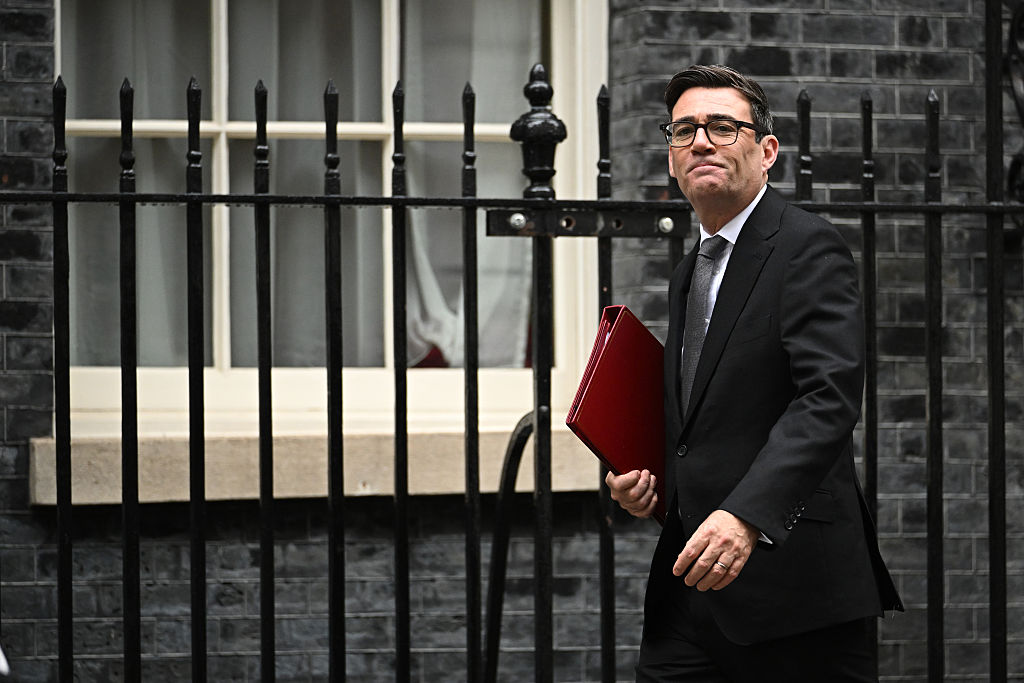
That poses a serious problem for Andy Burnham. If he continues to hold open the door to fully rejoining the EU — while entertaining disproportionate financial demands from Brussels — then, once again, he’ll be seen as pursuing an ideological agenda at the expense of the British national interest.
The question, then, is how much rejoining would actually cost. In 2020, the final year of the UK’s EU membership, the rebate cut the UK’s gross contribution from £22.2 billion to £17 billion. The UK then received a further £4.5 billion through various EU schemes, mostly in farm subsidies. But that was before Brexit and Covid sent the EU budget ballooning.
Public support for rejoining the EU may be growing, but that’s before the financial implications are made clear. According to More in Common, just 20% of Britons think that an annual contribution of £20 billion would be an acceptable condition of rejoining. Over half (53%) say it would be unacceptable.
Clearly, continuing the rebate from before Brexit would soften the shock to British public finances and make the case for rejoining easier to sell politically, which is why the early signs of opposition from Varadkar and Barnier are so unhelpful. The rebate was not just a relic of the Thatcher era. If Britain did rejoin, this country would still be paying billions more into the EU budget than it received back.
Rejoiners may point to the example of Germany. Berlin makes an even bigger contribution than the UK ever did — and you don’t hear them moaning. There is, however, a reason for that. EU funds poured into Central and Eastern Europe have benefited the German economy far more than they have benefited Britain’s. In other words, as a net contributor to the EU budget, Britain was subsidizing the development of Germany’s economic backyard.
Britain was also subsidizing the continent’s farmers through the Common Agricultural Policy. Therefore its rebate was a partial — and rather grudging — recognition of this structural imbalance.
In light of these facts, will Burnham rule out rejoining the EU while he is prime minister? Probably not, because giving away British money to other countries is very much his thing.
For instance, he still wants to move forward on Keir Starmer’s Chagos Islands “deal” which involves paying the Mauritian government billions of pounds for the privilege of handing over UK territory. He also wants to increase the overseas aid budget from 0.3% to 0.7% of UK GDP (that’s about £13 billion a year). Meanwhile, the UK faces demands from Caribbean governments to pay trillions in reparations for the slave trade, which the British Empire abolished almost 200 years ago. Rather than reject this blatant grift, Burnham has agreed to “engage in a structured, time-bound, inclusive and good-faith dialogue” on the subject. The Chagos deal is a warning of where such “good faith” gets us.
One doubts this is a deliberate strategy on Burnham’s part. But as a pattern of policymaking it reveals a consistent inability to put Britain first. The UK may be a global center of finance, but it must stop being a cashpoint for the world.
Peter Franklin is Associate Editor of UnHerd. He was previously a policy advisor and speechwriter on environmental and social issues.
 peterfranklin_