









September 22 2026 - 7:00am
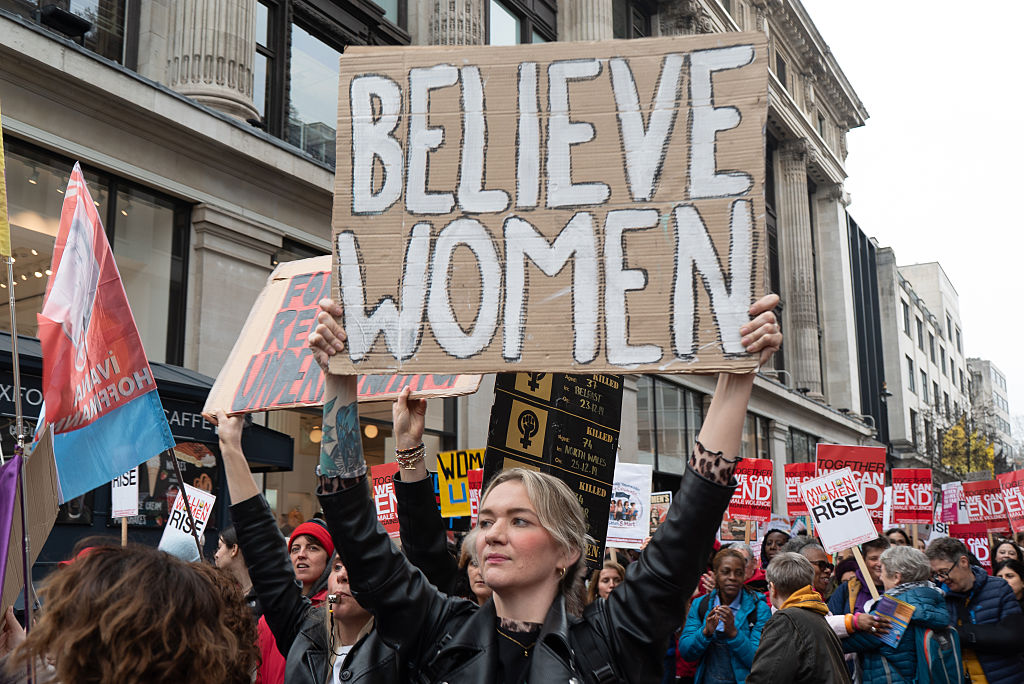
Ministers are promising all the right things. Andy Burnham announced on Sunday that dedicated courtrooms for cases of rape and sexual assault are to be rolled out in Britain, along with separate entrances for victims and fixed dates for trials. These are reforms for which experts have been asking for years, and it’s welcome news — up to a point.
Thousands of women have been caught up in a wider backlog of Crown Court cases, which has now reached more than 80,000. Last year, the average wait for a rape case to come to trial extended to 424 days. It’s unbearably stressful for women waiting to give evidence, as well as creating opportunities for intimidation by the perpetrator or his friends. Long waits are one of the reasons cited for survivors dropping out of prosecutions, which denies justice for individual women and sends a message that rapists have little to worry about.
The fact that the delays were allowed to become so long is a sign of repeated failures. Over the last couple of decades, ministers have announced numerous inquiries, carried out by well-meaning individuals. Recommendations have been made and hands wrung, but the number of reported rapes has continued to rise. The prosecution rate is still woeful: just shy of 3% of rape offenses recorded by police led to prosecutions in the year ending March 2024.
Even now, most of the new measures announced by Burnham won’t be in place until 2028. It raises questions about why the Government has been slow to act: after all, it’s more than two years since Labour came to power with a promise to halve violence against women (VAWG) in a decade. There’s no need to wait so long. Especially now that everyone from ministers to police agrees that VAWG is a national emergency.
It’s hard to deny that time has been wasted. In her resignation letter in May, former safeguarding minister Jess Phillips revealed her frustration with the pace of change. “The Mandelson saga whenever it bubbled up made Number 10 kick into gear on the subject in order to prove our credentials,” she said, claiming it took a “catastrophic” event to provoke action on VAWG.
The gap between announcements and results is a perpetual cause for concern. In 2023, the previous Conservative government declared that VAWG would in future be included within the strategic policing requirement, meaning that it would be treated with the same urgency as terrorism and organized crime. The emptiness of that announcement was exposed earlier this year when it emerged that a predator called Simon Levy, who had repeatedly assaulted women on the London Underground, had been granted bail time after time. Levy was left free to rape one woman and murder two others before he was tried, convicted and given a whole-life order last month. It’s hard to imagine a terrorism suspect being treated with such leniency.
There is also a question about the scale of the Government’s ambition. Almost a fifth of the backlog of Crown Court cases consist of sex offenses, amounting to 15,373 cases, and more are being added every week. Victims have waited long enough for basic safeguards to be put in place, and they will be rightly outraged if the Government’s promises are not met.
Joan Smith is a novelist and columnist. She was previously Chair of the Mayor of London’s Violence Against Women and Girls Board, and is on the advisory group for Sex Matters. Her book Unfortunately, She Was A Nymphomaniac: A New History of Rome’s Imperial Women was published in November 2024.
 polblonde